
 E-Paper



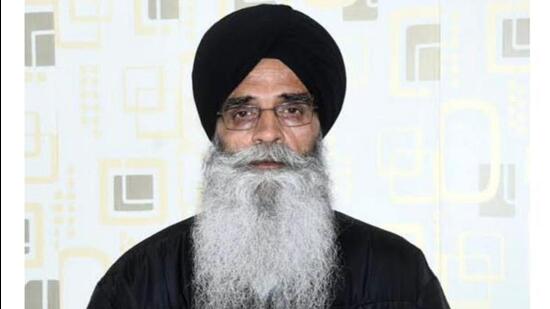
Harjinder Singh Dhami is SAD candidate for SGPC president
Rattled by three-time SGPC chief Bibi Jagir Kaur’s rebellion, Badal loyalist and incumbent Dhami named party candidate for the November 9 Shiromani Gurdwara Parbandhak Committee president’s election in marked departure from ‘lifafa (envelope) culture’


Rattled by the rebellion by three-time SGPC chief and senior leader Bibi Jagir Kaur, the Shiromani Akali Dal (SAD) on Friday named incumbent Harjinder Singh Dhami as its candidate for a second term as the Shiromani Gurdwara Parbandhak Committee (SGPC) president for the November 9 election in a marked departure from its practice of declaring its nominee at the eleventh hour.
Also read: Golden opportunity to liberate SGPC from clutches of Badals, says DSGMC
SAD spokesperson Daljit Singh Cheema took to Twitter to announce: “SAD president S Sukhbir S Badal after wider consultations with SGPC members and senior leaders of the party announced that S Harjinder Singh Dhami will be SAD’s candidate for the post of president for the November 9 annual elections of the SGPC.”
A law graduate, Dhami has been an SGPC member from Sham Churasi, Hoshiarpur, since 1996 and also served as the general secretary in 2019. Hailing from Piplan Wala village in Hoshiarpur district, he is known for his clean image, good administrative skills and genial nature.
Bibi Jagir Kaur, a one-time confidante of the Badals, was suspended from the party on November 2 after she refused to toe the party line and withdraw from contesting the election.
The SGPC, also called the mini parliament of Sikhs, has an annual budget touching ₹1,000 crore and works for the maintenance of 80 historical gurdwaras in the region, besides two medical colleges, three hospitals, and a large number of schools and colleges.
With religion being a key aspect of politics in Punjab, one who controls SGPC is also construed to wield power in the legislative elections in the state.
End of ‘lifafa culture’
“Bibi (Jagir Kaur) is creating confusion and claiming that she has been directed by the party top brass to contest in such a fashion. To end the uncertainty, we decided to name our candidate Dhami in advance,” said a senior SAD leader, requesting anonymity.
In September, Bibi had met Sukhbir, expressing interest in contesting the SGPC president’s elections, citing her past performance. When she did not get a response from Sukhbir, she decided to stay in the running and began reaching out to SGPC members.
A week ago, Bibi told HT that the ‘lifafa (envelop) culture’ of the SAD president naming the candidate hours before the voting had hit the credibility of the SAD and the SGPC. She said it was time to move away from the practice.
“Thanks to me raising my voice, the SAD has not adopted the lifafa culture by announcing their candidate in advance,” said Bibi, hopeful of securing a majority in the November 9 election. She claimed that she had demanded a democratic system that the party president had refused to accept.
Dhindsas backing Bibi
The SAD leadership did not consider it an opportune time to rest its bets on Bibi after a humiliating defeat in the Vidhan Sabha elections earlier this year. Dhami, the leadership felt, was best suited given his performance and clean image.
Bibi is being backed by former Rajya Sabha member Sukhdev Singh Dhindsa and his son and former Punjab finance minister Parminder Singh Dhindsa, who has been meeting all members, including SAD’s nominee Dhami, for supporting her.
They are claiming the support of more than 90 of the 157 members. “We are supporting Bibi ji as people want a change,” said Dhindsa senior, adding, “People are fed up with the system prevailing for many years. Sukhbir is indulging in horse-trading, which will not help him.”
General house meeting
The general House meeting for electing the president, senior vice-president, junior vice-president, general secretary and 11-member executive body for one year will be held at Teja Singh Samundri Hall in the Golden Temple complex on November 9.
The House comprises 191 members, including 15 co-opted members. 170 members are elected through ballot papers. The 15 co-opted members include the five takht jathedars and Golden Temple head granthi, who have no voting rights.
At present, the House consists of 157 members. Twenty-six members have died, while two, Sucha Singh Langah and Sharanjit Singh, have resigned from the membership.


