
 E-Paper



Haryana gears up tosave vultures
During the workshop on “Vulture Conservation and Reintroduction Programme” held at Jatayu Conservation Breeding Centre (JCBC), Pinjore, it was shared that the future plans for large-scale vulture releases depend on creating safe-zones within a 100km radius of release sites

 Prefer HTon Google


A day-long workshop on “Vulture Conservation and Reintroduction Programme” was held at Jatayu Conservation Breeding Centre (JCBC), Pinjore. The session organised by Haryana forest and wildlife department in collaboration with Bombay Natural History Society (BNHS) on Tuesday.
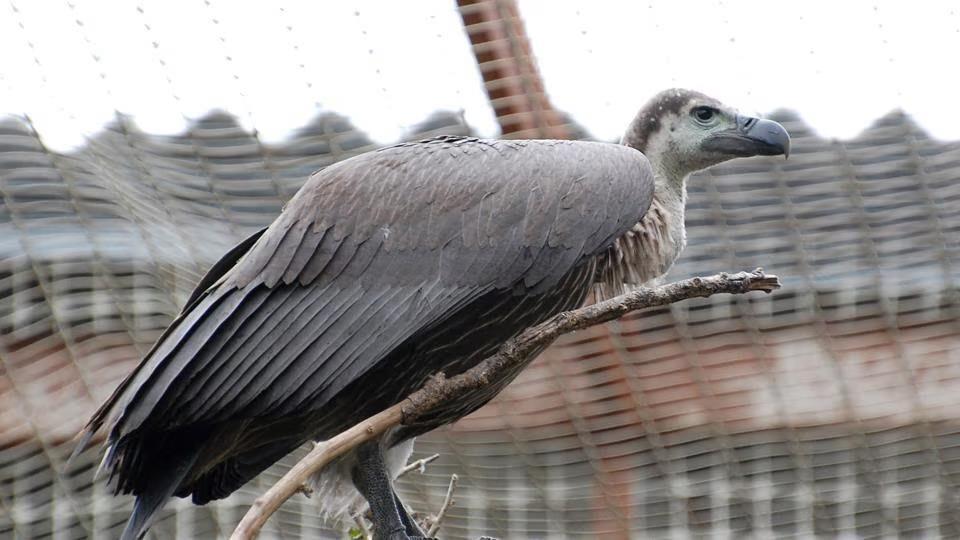
Currently, JCBC houses 380 vultures, including 97 white-rumped vultures, 221 long-billed vultures and 62 slender-billed vultures. The centre has successfully bred and relocated as many as 100 vultures to other conservation centres and released 8 white-rumped vultures into the wild in 2020.
During the session, it was shared that the future plans for large-scale vulture releases depend on creating safe-zones within a 100km radius of release sites. This effort requires co-operation from neighbouring states, like Himachal Pradesh, Punjab, Uttarakhand, Uttar Pradesh, and Chandigarh, besides support from various departments.
The workshop aimed at establishment of vulture safe-zones for which necessary permissions from the departments concerned will be obtained.
It may be mentioned that the vulture population in India has declined by over 99% since 1990s, primarily due to the effects of veterinary drugs like diclofenac, ketoprofen, and aceclofenac. The central government has banned these harmful drugs in veterinary medicine and restricted their use in human medicine to 3ml. To combat this crisis, the BNHS, with the support of the state forest department, established the Vulture Care Centre in Pinjore in 2001 and later upgraded it to Jatayu Conservation Breeding Centre (JCBC) in 2005.
The workshop was attended by 24 representatives from the forest departments, animal husbandry departments, and food and drug administration of six states- Haryana, Himachal Pradesh, Punjab, Uttar Pradesh, Uttarakhand, and Chandigarh who were also present at the session.


