
 E-Paper



In four years: 1,219 service providers moved to essential category: Chandigarh civic body
During the MC’s last General House meeting, councillor Saurabh Joshi, supported by councillors from all parties, had accused MC officers of transforming the civic body into a “den of corruption” and deliberately not tackling encroachments in the city


Amid allegations of mushrooming unregistered vendors and authorities’ blind eye in tackling the encroachments across the city, the Chandigarh municipal corporation (MC) on Monday revealed that the licenses of as many as 1,219 non-essential service providers were converted into essential service providers in the past four years and were granted permission to sit at their surveyed site.
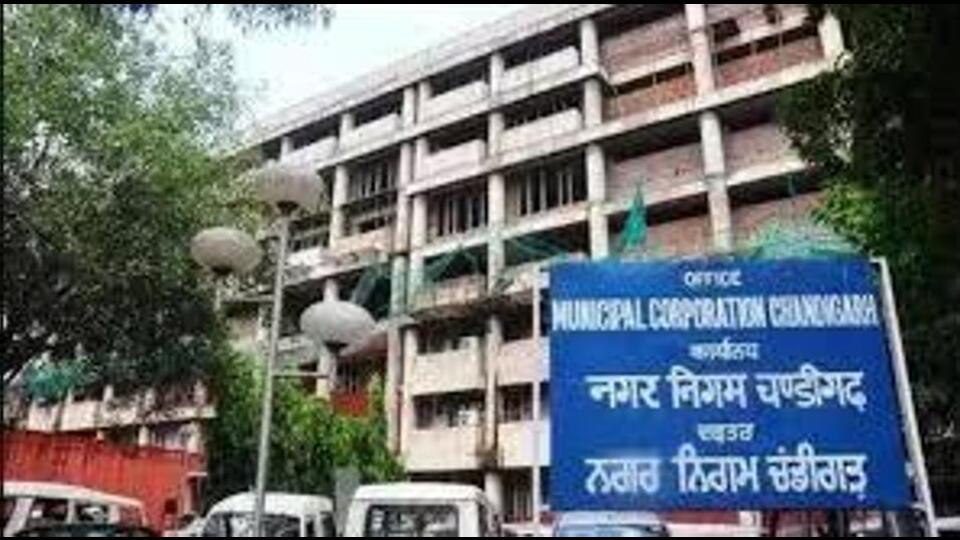
During the MC’s last General House meeting, councillor Saurabh Joshi, supported by councillors from all parties, had accused MC officers of transforming the civic body into a “den of corruption” and deliberately not tackling encroachments in the city. “Earlier it was on a monthly basis. Now, this ‘adda’ is operating on a daily basis. The sad part is that vendors who are paying regular fees are suffering, while illegal vendors are proliferating in markets across the entire city due to the rampant corruption in the enforcement department that does not remove them,” Joshi had said.
However, in the agenda for the upcoming House meeting on September 26, the vendor cell wing of the MC submitted a detailed reply to Joshi’s questions related to street vendors, and said, “The House considered and approved the proposal to include Tandoor, chhole bathure, kulchee chhole and parantha sellers under essential service provider category. After the notification, licenses of as many as 1,219 non-essential service providers were converted into essential service providers from February 2021 to January 2024.”
Around 11,000 registered vendors, divided in three categories — street, essential and non-essential — were registered in a survey in 2016. They were allotted vending sites for five years and had to pay a monthly licence fee. However, contrary to the plan, most vendors did not shift to the permitted sites citing poor feasibility of the locations. Many continue to operate from unauthorised sites, making the Act purposeless.
Meanwhile, registered as well as unregistered vendors have been operating from unauthorised spaces across the city, occupying corridors, pavements, road berms and even parking lots. Not only this, unregistered vendors can be seen sitting in sector 17 plaza, even when the sector is declared a complete no-vending zone area. Sector I to 6 and Sector-17 were declared no vending zones in 2019 and only the Essential Service Providers are permitted in these areas. Without being registered or paying any official licence fee to the MC, such vendors are operating without any fear of the enforcement wing.
Just two development-related agendas to be taken up in House
The civic body included just two-development related agendas for the discussion in the September 26 House meeting. The agenda include proposed a plan for upgrading stadium in Khuda Alisher, at a cost of ₹1.75 crore; and construction of pedestrian path on internal roads of Rehabilitation EWS Colony, Dhanas.
Notably, no development-related agenda was even included in the F&CC agenda list on last Friday, inviting a protest from INDIA Bloc councillors. Instead, around 10 table agendas were brought up by officers for discussion, later in the meeting.


