
 E-Paper



Interview, JK Film fest: ‘Global content centre moving from West to East’
The landscape is breathtaking and carries a strong cinematic heritage. Beyond domestic projects, there is clear potential here for international co-productions, says Bang

 Prefer HTon Google


Acclaimed documentary filmmaker and jury member Keiko Bang on Kashmir’s film potential, Asia’s rising media influence, and why storytellers must keep creating through times of conflict.
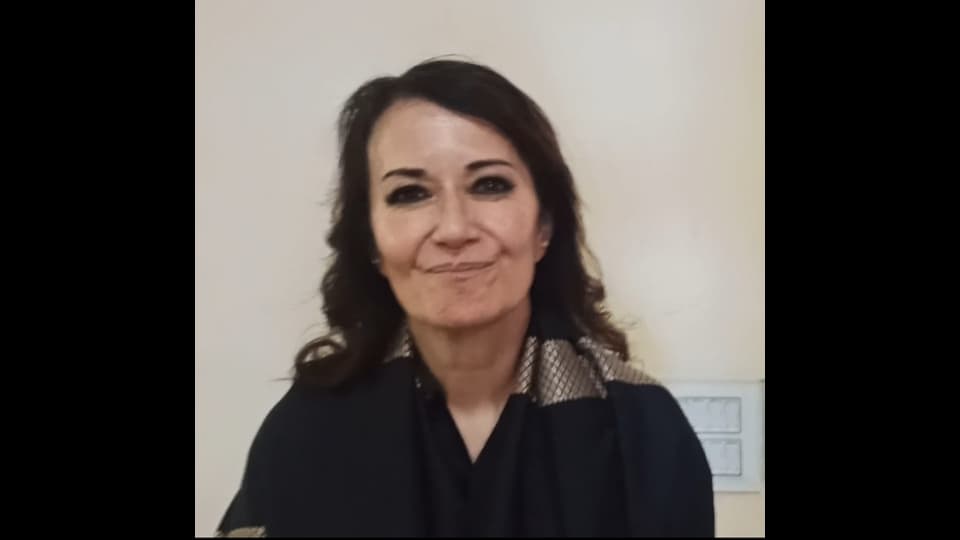
This is Jammu and Kashmir’s first major international film festival, and you have attended many worldwide. What is your take on the quality and setup of this event?
It’s too early to evaluate the full lineup, but the location is spectacular—unlike anything I have seen in India—and the hospitality is incredibly warm. It has been a fantastic experience.
The jury is evaluating 135 films from 40 countries. What does that range tell you?
Every festival brings a distinct collection. It will be fascinating to see what the selection committee has curated for us—that choice speaks volumes about the identity and vision they want to build for this festival.
Kashmir has a rich cinematic history, but conflict halted much of that momentum for years. How can a festival like this help the region and its people?
It signals that art, culture, and storytelling endure, regardless of circumstances. Peaceful or turbulent, stories must continue to be told. Beyond the screenings, producers are connecting directly with local voices. We all have stories to tell, and we are all storytellers.
Do you think hosting this will spark more films about the region?
Absolutely. Festival attendees return home and share their experiences with industry peers. Moving forward, it would be wonderful to see a dedicated theme—perhaps focused on mountains or alpine landscapes—that highlights what makes Kashmir unique.
Has the government succeeded in reviving Kashmir as a premier filming destination?
The landscape is breathtaking and carries a strong cinematic heritage. Beyond domestic projects, there is clear potential here for international co-productions.
How are Indian films currently viewed by global filmmakers and critics?
The industry deeply respects the skill of Indian filmmakers. Looking at Asia as a whole—with Japanese anime, Korean dramas, and Bollywood—the global content production centre is shifting from West to East. It is an exciting era, and India stands as a major production powerhouse. I expect great things ahead.


