
 E-Paper



Kashmir: Casual labourers protest for better wages at CM’s house
Dozens of protesters raised slogans, urging the chief minister to intervene so that they get better wages. The police swung into action and took some of the protesters and their leaders into custody.


Casual labourers of Kashmir’s wildlife department on Wednesday protested outside chief minister Omar Abdullah’s residence in Srinagar, demanding regular and better wages on par with rest of the departments in the Valley.
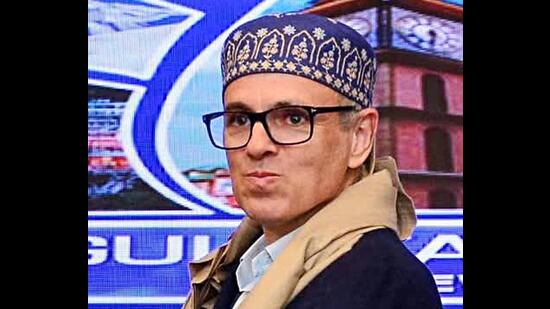
Dozens of protesters raised slogans, urging the chief minister to intervene so that they get timely and better wages. The police swung into action and took some of the protesters and their leaders into custody.
The protesting daily wagers said they had been getting wages less than their counterparts in the rest of the departments. “The government is doing grave injustice to us. In 2017, there was a circular by the then government, which set the monthly wages at ₹9,300 but the wildlife department’s labourers are not getting the same. We get ₹2,000-3,000 per month and that we get on Eid and Holi festivals,” said a protest leader, adding that they have been raising their voice since 2019.
The protesters said that initially there were 1,500 casual labourers which were reduced to 750 by the department. “All these 750 workers are not getting regular monthly wages. These are working in five forest divisions of the Valley,” said another protester.
“We have no other sources of livelihood for our families and children. We don’t have money to pay fees for our school-going children,” he said.
The daily wagers said they talked to NC president Farooq Abdullah who assured them justice.
This is for the second time since Omar Abdullah-led government took over on October 16, 2024 that a protest was held outside the CM residence. In December, National Conference MP Ruhullah Mehdi led a student protest along with some opposition leaders against the recently amended job reservation policy introduced by lieutenant governor-led administration, claiming that it reduced the general category’s share to below 40% in jobs and admissions.


