
 E-Paper



Ludhiana hosiery units expect business boost
With the onset of October, winter in many parts of northern India often intensifies rapidly, skipping the mild early phase when lighter woollen wear like sweaters and cardigans usually remain in demand

 Prefer HTon Google


With the peak winter season just around the corner, Ludhiana’s hosiery and textile industry is seeming cautiously optimistic after years of tepid sales, even as it continues to grapple with cash flow issues, changing consumer preferences and unpredictable weather.
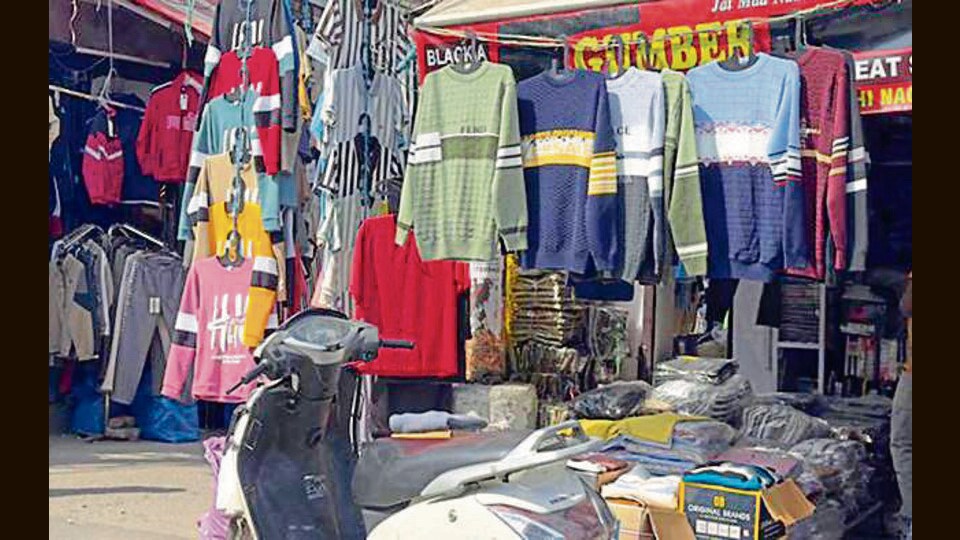
Industry leaders say that forecasts predict an intense winter this year, prompting an increase in advanced orders from prominent winterwear markets such as Uttar Pradesh, Bihar, Madhya Pradesh, Rajasthan and Delhi. However, the pace of manufacturing remains slow, and limited cash flow is keeping the overall business outlook cautious, they added.
Vinod Thapar, president of Knitwear and Textile Club said,” We have received 15 to 20% more advanced bookings this time comparatively last year, where due to the short span of winter, a majority of our manufacturing goods have remained unsold but this time, the industry is optimistic about good business.”
He explained that one reason for the changing sales pattern over the years has been attributed to erratic weather patterns. With the onset of October, winter in many parts of northern India often intensifies rapidly, skipping the mild early phase when lighter woollen wear like sweaters and cardigans usually remain in demand. “Consumers are now directly opting for heavier winter essentials such as jackets, coats, and thermal wear, bypassing traditional sweaters. This shift has affected the sale of Ludhiana made sweaters, which were once the staple of winter wardrobes,” he said.
Echoing similar sentiments, Charanjeev Singh, general secretary of the Knitwear and Textile Club and Industry Advisor of Shawl Club (India), emphasised Ludhiana’s central role in India’s hosiery market. “Winter essentials such as woollen sweaters, cardigans, waterproof jackets, and cotton blend thermals have long been popular across the country. However, erratic weather over the past two to three years has consistently kept sales low, However, this time as there are predictions of intense winter, we are looking forward to a thriving business” he said.
Singh also highlighted that limited cash flow is a key problem. “Most transactions are credit based. Even with advance bookings, payments are cleared only for sold goods, while unsold items are returned. This forces manufacturers to bear the cost of raw materials, labour, and production upfront, putting a serious strain on working capital. But this season, we are expecting that also our manufactured stock will be cleared by November end,” he said.
Meanwhile, Sanjeev Dhir, a prominent woollen knitwear manufacturer, added that shifting consumer perceptions and market trends may pose a challenge. He stated, “Ludhiana made products are increasingly seen as luxury items, and combined with erratic weather, this has slowed sales. Buyers and traders are showing a growing preference for cheaper, China-made alternatives,” he said.
Dhir added that hilly regions such as Jammu and Kashmir, which were once strong markets for Ludhiana products due to tourism, are now sourcing more from Delhi markets, which have emerged as hubs for Chinese imports. This shift has forced local manufacturers to rethink pricing, production, and marketing strategies to stay competitive.


