
 E-Paper



Ludhiana: Over 1,500 transformers develop snag across PSPCL’s Central Zone
According to official data, 1,524 transformers were damaged between April and June this year, only marginally lower than the 1,530 transformer failures recorded during the corresponding period last year


More than 1,500 distribution transformers have developed faults across Punjab State Power Corporation Limited’s (PSPCL) Central Zone during this summer season, highlighting the stress on the power distribution network as electricity demand surged due to prolonged heatwave conditions and paddy cultivation.
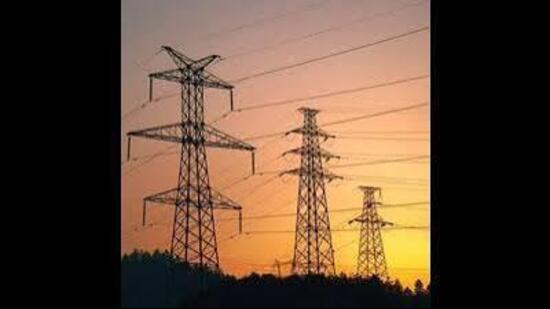
According to official data, 1,524 transformers were damaged between April and June this year, only marginally lower than the 1,530 transformer failures recorded during the corresponding period last year. Besides technical failures, the utility also reported 374 cases of transformer theft, compared to 424 thefts during the same period in 2025, indicating a decline in theft-related incidents but continued vulnerability of the network.
The Central Zone comprises Ludhiana East, Ludhiana West, Suburban Ludhiana and Khanna circles, catering to lakhs of domestic, commercial, agricultural and industrial consumers.
PSPCL officials attributed most transformer failures to a combination of extreme temperatures, excessive electrical loading and thunderstorms witnessed over the past few months.
Officials explained that prolonged exposure to high temperatures weakens the insulation inside transformers. Once insulation deteriorates, internal short-circuiting becomes more likely, often resulting in transformer failure. The situation worsens when electricity demand rises sharply, causing transformers to operate beyond their designed capacity for extended periods.
Thunderstorms, which repeatedly lashed Punjab during the summer, also contributed to equipment failures by triggering voltage fluctuations, lightning-related faults and damage to distribution infrastructure.
Another major concern, officials said, is the increasing tendency among consumers to enhance electricity consumption without formally getting their sanctioned load revised.
Many households and commercial establishments install additional air-conditioners, heavy electrical appliances or machinery without informing PSPCL. As a result, transformers designed for a particular connected load become overloaded, increasing the chances of overheating and failure.
Chief Engineer, Central Zone, Jagdev Singh Hans, appealed to consumers to get their electricity load enhanced whenever their consumption increases.
“High temperatures, overloading and thunderstorms remain the primary reasons behind transformer failures during summer. Consumers should immediately approach their respective subdivision offices whenever their electricity requirement increases. Enhancing the sanctioned load helps us assess demand and, wherever required, upgrade transformers or other distribution infrastructure in advance. This not only prevents transformer failures but also ensures reliable power supply to consumers,” Hans said.
He added that the corporation has instructed field staff to replace damaged transformers on priority to minimise disruption in electricity supply.
While transformer failures remained almost unchanged compared to last year, officials said the decline in theft cases reflected intensified surveillance and enforcement measures undertaken by the corporation. The financial loss arising from transformer thefts during the current quarter will be reflected in the quarterly return after July 20, when the consolidated assessment is completed.
With electricity demand expected to remain high during the remaining paddy season, PSPCL officials said consumers can play a significant role in preventing avoidable transformer failures by declaring additional load, avoiding unauthorised extensions and promptly informing the utility whenever they anticipate a substantial increase in power consumption.


