
 E-Paper



Ludhiana’s AQI crosses 300 mark as farm fire incidents surge
District records 33 stubble burning incidents on Monday taking the tally to 226; authorities confirm crop burning at 90 locations, 18 FIRs registered

 Prefer HTon Google


Ludhiana’s air quality deteriorated further on Tuesday, with the Air Quality Index (AQI) climbing to 314 and pushing the district into ‘very poor’ category. The worsening pollution coincided with a renewed spurt in farm fire incidents, which increased by 33 in a day to reach 226 in the district on Monday, even as the paddy harvesting season draws to a close.
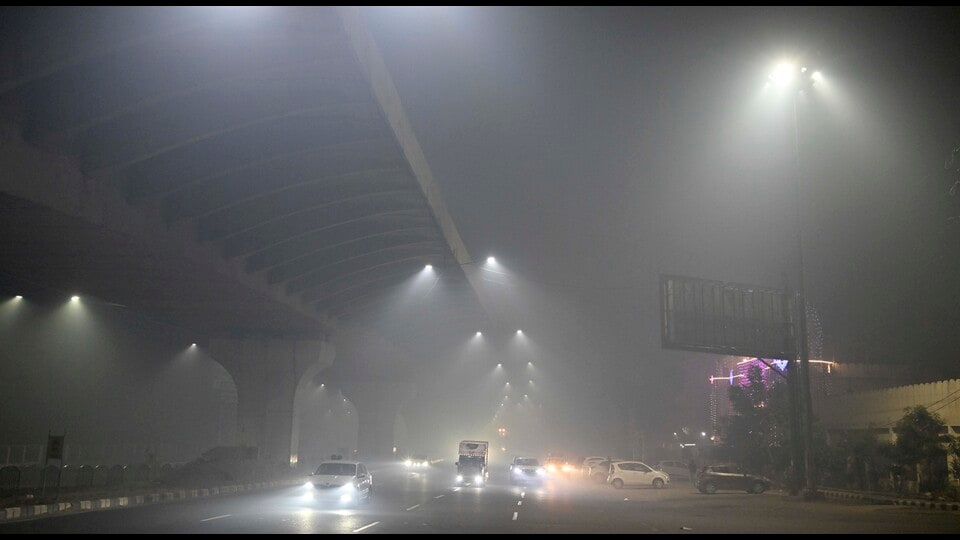
According to Central Pollution Control Board (CPCB) data, PM2.5, microscopic particles measuring 2.5 micrometres or less in diameter that can penetrate deep into the respiratory system, remained the predominant pollutant in Tuesday’s AQI readings.
Ludhiana’s worsening air quality stood out against an improving trend in Jalandhar, Amritsar and Patiala, which recorded AQI readings of 251, 262 and 208, respectively.
According to the CPCB’s National Air Quality Data Management System, an AQI of zero to 50 is classified as good, 51-100 as satisfactory, 101-200 as moderate, 201-300 as poor, 301-400 as very poor and 401-500 as severe.
The district’s farm fire tally has risen steadily over the past few days. According to Punjab Pollution Control Board (PPCB) data, Ludhiana recorded 106 stubble burning incidents on November 6. The figure increased to 122 on November 7 before climbing sharply to 193 on November 8. Another 33 incidents were reported on November 9, taking the tally to 226.
The surge has continued despite paddy harvesting being close to completion. Of the nearly 2.6 lakh hectares under paddy cultivation in the district, around 94% had been harvested by Monday. The harvested area had remained unchanged at 89% between November 6 and 8, even as farm fires continued to multiply during the same period.
According to data compiled from September 15 to November 9, authorities have inspected 175 fields so far, physically confirming crop burning at 90 locations. Environmental compensation (EC) amounting to ₹3.95 lakh has been imposed in 75 cases, while 18 FIRs have been registered. In addition, 68 red entries have been made against farmers and 26 warning notices issued to nodal and supervisory officers in areas reporting a high number of verified incidents. A red entry is a punitive blacklisting or adverse remark marked directly into a farmer’s official land revenue records if they are caught burning crop stubble.
The latest tally marks a sharp increase from the 27 farm fire incidents recorded in the district last week.
Gurdeep Singh, chief agriculture officer, Ludhiana, acknowledged the recent increase in incidents but said enforcement and monitoring had also been strengthened. “Field inspections and awareness campaigns are continuing in the district,” the chief agriculture officer of Ludhiana said.
The deteriorating air quality has also raised health concerns. Pulmonologist Dr Ashish Chawla said respiratory complaints had increased during Diwali, when heightened pollution levels pose particular risks to children, the elderly and people with pre-existing respiratory ailments.
Stubble burning further adds to the pollution load, aggravating the health risks for vulnerable groups, he added.
There is little prospect of immediate weather-related relief also as the India Meteorological Department (IMD) has forecast dry conditions in Ludhiana over the coming days, even as some other parts of Punjab are expected to receive rainfall. No warning of thunderstorms or gusty winds has been issued for the district. The absence of rain, coupled with continuing farm fires, could prolong the spell of poor air quality.


