
 E-Paper



Maternal mortality: Punjab still on list of high-burden states
According to the latest available data on MMR, released in 2022 by the Union Government, Punjab’s MMR was 105 for the period of 2018-2020.

 Prefer HTon Google


Punjab has been struggling for many years to improve its Maternal Mortality Ratio (MMR) — a key health indicator of mothers. The state’s MMR — as per the data of Punjab health department — continues to remain significantly higher than the national average of 97.
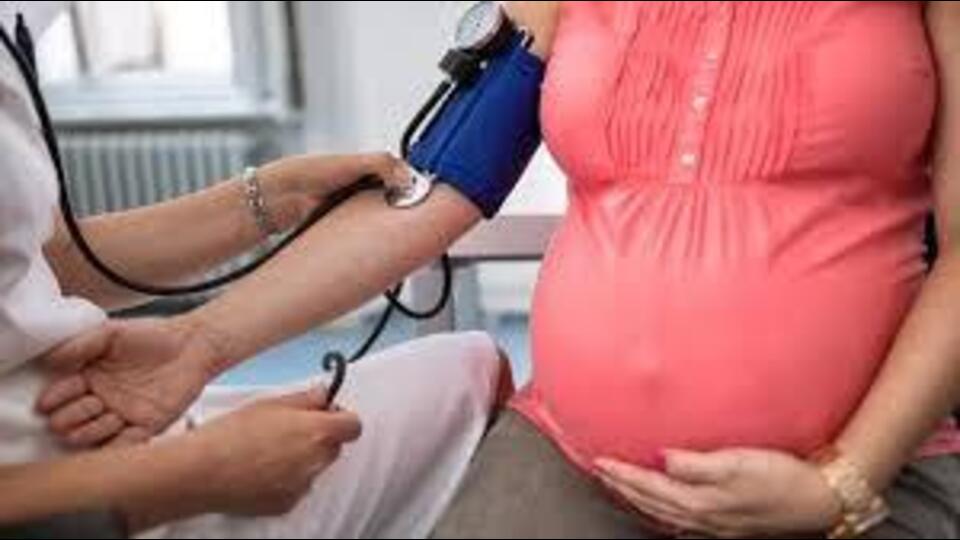
According to the latest available data on MMR, released in 2022 by the Union Government, Punjab’s MMR was 105 for the period of 2018-2020. Thereafter, rather than showing improvement, Punjab’s MMR has worsened, with several districts reporting an MMR above 200.
Ironically, Punjab is among 11 high-burden states—alongside Uttar Pradesh, West Bengal, and Haryana—that have reported elevated maternal mortality rates.
Data accessed by HT shows that Punjab recorded an MMR of 128 in 2020-21, which rose to 129 the following year. In 2022-23, the MMR slightly decreased to 121, but it was still alarmingly high.
Last year, the MMR stood at 117, yet it has already increased reaching 127 by September this year. Sadly, the data indicates that Punjab is reporting more than one maternal death daily. Earlier this year in March the then mission director of National Health Mission Dr Abninav Trikha wrote to the all the civil surgeons in the state drawing their attention to the gravity of the situation.
Punjab’s MMR data reveals that border districts neighboring Pakistan are the ones that are most affected. Ferozepur’s MMR this year (until September) stands at a staggering 508. Last year, Ferozepur reported an MMR of 238—the highest in the state. Similarly, Tarn Taran reported an MMR of 213 last year.
Punjab health department officials informed HT that inadequate healthcare services, particularly in rural areas, are a primary factor contributing to the high maternal mortality rate. Additionally, many positions for medical officers (MOs) remain unfilled, especially in rural and border districts, leading to the inadequate screening of high-risk pregnant women. “Lack of consistent monitoring, especially in rural areas, is one of the major reasons behind the high MMR. This is a serious concern for us, and efforts are being made to bring it down,” said a senior official of the Punjab health department. In response to the rising MMR, civil surgeons, district health and family welfare officers and senior medical officers have been directed to make random calls to listed high-risk pregnant women (HRPs) to ensure they are receiving quality care.
Maternal death audits, conducted by the state health department, have revealed gaps in the identification and management of HRPs contributing to the maternal mortality.
When asked about the high MMR, Punjab health services (family welfare) director Dr Jasminder Kaur said, “Efforts are now being focused on the grassroots level. We are working to strengthen grassroots workers, especially ANMs (auxiliary nursing midwives). ANMs are being regularly sensitised to identify HRPs at early stages and to ensure complete follow-up until delivery.”
According to the World Health Organisation (WHO), the maternal mortality ratio (MMR) is defined as the number of maternal deaths per 100,000 live births during a specified period. It reflects the risk of maternal death relative to the number of live births, capturing the risk associated with a single pregnancy or live birth. Maternal deaths refer to the annual number of female deaths from causes related to or aggravated by pregnancy or its management (excluding accidental or incidental causes) during pregnancy, childbirth, or within 42 days of pregnancy termination, regardless of the duration or location of the pregnancy, per 100,000 live births.


