
 E-Paper



Middle East turmoil: Advantage Pakistan as India’s basmati exporters hit by Hormuz wall
To bypass Strait of Hormuz disruption, Pakistan is using land routes to access Iranian market as Indian exporters grapple with stalled shipments and soaring logistics costs

 Prefer HTon Google


The ongoing West Asia conflict and the closure of the Strait of Hormuz have hit Indian basmati exporters hard, forcing many to reroute shipments through alternative ports to sustain exports to Gulf nations, among the largest importers of the premium grain.
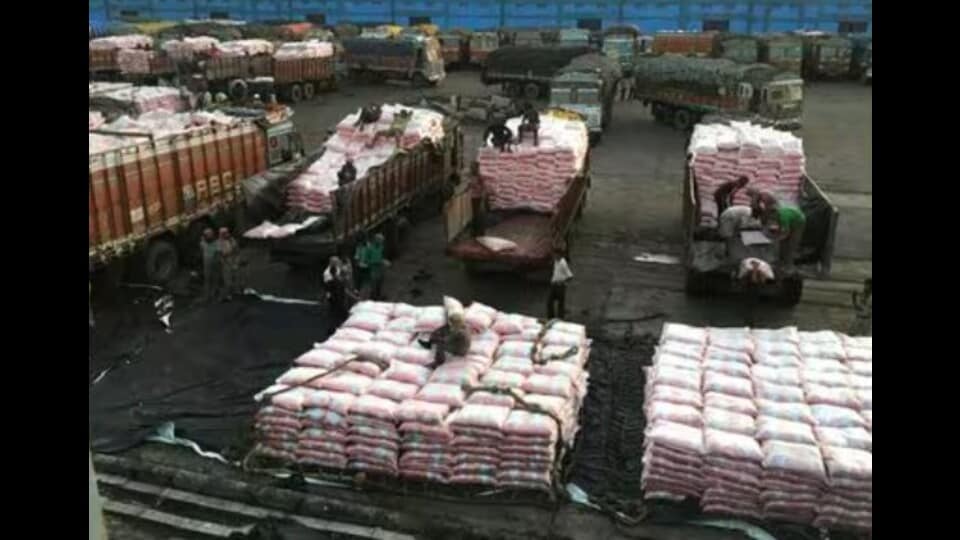
The Strait of Hormuz, which is just 39km wide at its narrowest point, remains one of the world’s most critical oil and supplies trade corridors has turned into a logistical nightmare for India, which is jostling to find alternate operational ports to sustain exports.
The crisis has turned into an opportunity for Pakistan, which shares a 900-km land border with Iran and is now using two border crossings, Taftan and Gabd-Rimdan in Baluchistan, to move shipments via land, bypassing the Persian Gulf entirely under a barter trade arrangement for crude oil.
India exports at least 60 lakh tonnes of basmati annually, worth ₹50,000 crore, out of which nearly two-thirds go to the Middle East. Iran alone imports at least 40% of the total exports to Gulf nations.
“Exports of basmati from India to Iran have been completely stopped due to war, and it is a direct gain of Pakistan, which is using the land routes to access the market,” said Ranjit Singh Jossan, an exporter from Punjab, who is also the vice-president of the basmati exporters association in the state. Pakistan recently moved to formalise the barter trade and ease banking restrictions further to streamline the trade.
He added that the business is volatile at this stage, and trade is being continued so as to cut the losses.
Conflict hits exports
According to the data from the Agricultural and Processed Food Products Export Development Authority (APEDA), March this year witnessed a significant decline in rice exports to the Middle East.
In March 2025, India exported 4.7 lakh tonnes of rice worth approximately ₹3,431.30 crore. However, figures for March this year show a sharp fall of nearly 40%.
The latest APEDA data shows rice exports dropped to 2.76 lakh tonnes, valued at around ₹2,240.37 crore.
Alternate ports spike costs
Jossan said that with the direct movement through the Strait of Hormuz difficult, the exporters were forced to use alternative shipping routes for consignments bound for Iraq, Kuwait, Bahrain and other Gulf countries. Access to Iran’s Bandar Abbas port, located on the Strait of Hormuz, is also restricted due to naval blockades and prohibitive insurance premiums.
“The Indian stocks were being diverted to trans-shipment hubs like Jebel Ali (the UAE), Hamad Port (Qatar), Aqaba Port (Jordan), Jeddah Port (Saudi Arabia), Aden Port (Yemen), Sohar (Oman) and a port in Muscat.”
“Several direct shipments to many Gulf nations remained disrupted for nearly two months,” he said, adding, “With restrictions and operational disruptions at the Jebel Ali port in the UAE, the exporters were compelled to reroute cargo through the ports of Khor Fakkan and Fujairah also in the UAE.”
The offloading of shipments at these neutral ports is expensive, as the exporter has to take into account land or feeder transports, which saddles him with war-risk surcharges and crippling delays.
“From these neutral and open ports, the consignments are then transported back to Jebel Ali via road before being forwarded to Gulf destinations through feeder vessels. Similarly, Saudi Arabia’s Jeddah port in the Red Sea is also being used for shipments to Kuwait, Bahrain and Qatar. This has increased the logistical charges from US$ 500 to US$ 5,000,” an exporter from Haryana said.
“The additional costs are borne by the buyer and sellers and ultimately transferred to the consumer,” the exporter, who didn’t wish to be named, added.
Jossan said that with trade volatility, the exporters are now on the hunt to find nations importing small quantities of the premium grain.
“Alternatively, we (traders) are focusing on nations importing smaller quantities of grain,” Jossan added.
Shipments stuck
Ashok Sethi, director of the basmati exporters’ association, said over 2 lakh tonnes of grain is stranded since March, when the conflict started and locating these stocks has become a big challenge.
“Nearly 2,000 vessels loaded with chemicals, medicines and food grains are stuck near the Strait of Hormuz. This is the worst crisis we have ever faced. It is difficult to decide whether to be in the business or not,” Sethi said, adding, “We are continuously jostling with shipping companies, freight agents and importing nations for rates and settlements.”


