
 E-Paper



Olive component effective against Parkinson’s disease: PU study
Affecting 10 million people worldwide, Parkinson’s disease is the second most common neurodegenerative disease after Alzheimer’s, in which a part of the brain progressively damages over the years.

 Prefer HTon Google


A study carried out by the researchers at Panjab University (PU) has found that a component in olives is effective in treating Parkinson’s disease.
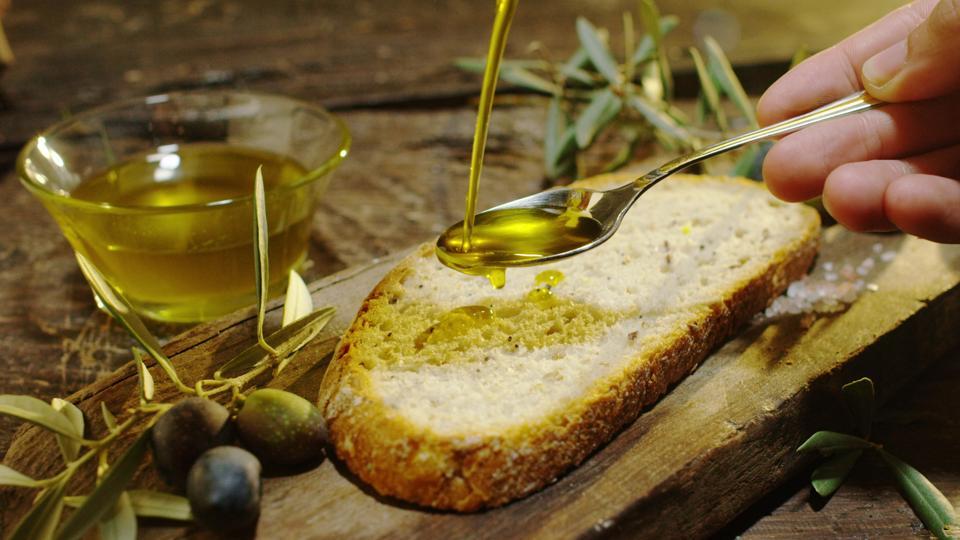
Hydroxytyrosol (HXT), a phenolic compound present in olives, was evaluated in the pre-clinical studies, and the results were published in an international journal, Biomedicine and Pharmacotherapy, last week. The study was conducted by a PhD student of PU’s biochemistry department, Anjana Pathania, under the supervision of professor Rajat Sandhir.
Affecting 10 million people worldwide, Parkinson’s disease is the second most common neurodegenerative disease after Alzheimer’s, in which a part of the brain progressively damages over the years. It is a type of movement disorder caused due to the loss of a chemical called Dopamine that sends signals and controls body movement. The study found that hydroxytyrosol works by targeting an enzyme that is responsible for dopamine loss.
Anjana Pathania said, “The study evaluated the potential of hydroxytyrosol as an anti-Parkinsonian molecule in terms of its ability to maintain dopamine (DA) levels in the patients of Parkinson’s.”
Results and benefits
According to the results of the study, hydroxytyrosol has the potential to be a future treatment as it successfully reduces motor abnormalities by increasing dopamine levels in the brain. It also preserves neurons, which are damaged due to Parkinson’s.
Professor Sandhir said, “The findings of the study are of high interest to the pharmaceutical industry because of various beneficial properties, and are expected to provide a new therapeutic approach against Parkinson’s that affects millions worldwide. However, clinical studies would be required.”


