
 E-Paper



PAU conducts training workshop on safe storage of food grains
This workshop was organised on the successful completion of two research projects funded by the Society for Mission Tandrust Punjab


The department of processing and food engineering, Punjab Agricultural University (PAU), organised a one-day training workshop on “Hermetic storage of food grains without using any hazardous chemicals” in the Jacob Hall on Monday.
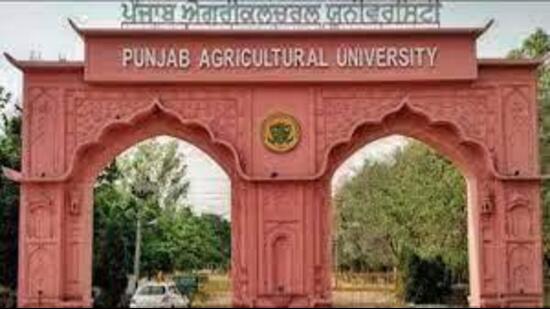
This workshop was organised on the successful completion of two research projects funded by the Society for Mission Tandrust Punjab. Participants from different districts of Punjab attended the workshop.
Director of environment and climate change Manish Kumar, while reviewing these projects in June 2023, had desired that the outcome be shared with the stakeholders. One of the projects funded was on the topic of safe storage of food grain without application of any type of poisonous chemicals for insect and pest control, especially those cultivated organically. The scientists involved in the project successfully stored 50 quintals of wheat and moong beans for more than 18 months in hermetic cocoon under modified environment of Carbon dioxide (35%) and oxygen (10%), he told. The second project had designed a rapid detection kit to check adulteration instantaneously on site in processed turmeric powder and quantify the adulterant using image processing technique in the lab using specially developed algorithm, he said.
A grain storage kit containing one 50 kg capacity hermetic bag and related accessories was distributed to the participants for its use in grain storage.
Principal investigator Preetinder Kaur demonstrated the turmeric adulteration detection kit and explained its working to the participants. Modern approaches such as machine learning, and data analysis techniques were integrated with colourimetry and spectroscopy to develop a sensitive platfrom, capable of detecting very low amounts of adulterants, she added.
Dean of the college HS Sidhu desired that the generated technology be scaled up for commercial application. He also extended support and facilities for the benefits of organisers and participants.


