
 E-Paper



PGI doctors develop affordable liver cancer medicine
This medicine, which costs only ₹5,000, is a breakthrough for patients, compared to the expensive ₹10 lakh medicine available elsewhere.


An affordable medicine for liver cancer developed by nuclear medicine doctors at the Postgraduate Institute of Medical Education and Research (PGIMER), Chandigarh, can be a life saving for many.This medicine, which costs only ₹5,000, is a breakthrough for patients, compared to the expensive ₹10 lakh medicine available elsewhere.
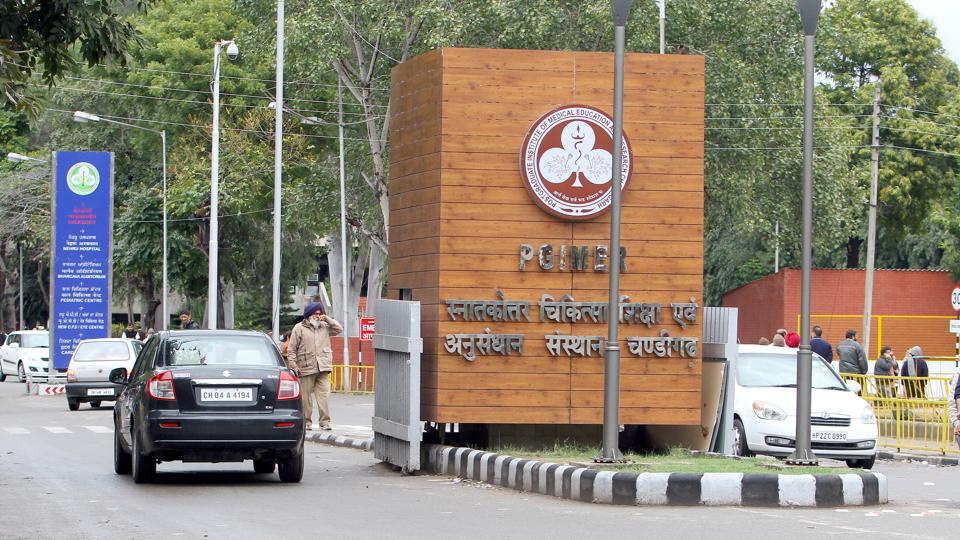
During a day long conference on “Radiopharmaceuticals: Chemistry to precision medicine” at PGIMER, Dr Jaya Shukla revealed that a cost-effective medicine developed by her for liver cancer could be life saving for many. However, there is less awareness about the available treatment. The patent for this treatment was obtained in 2015 and another in 2018. Initially, we developed radioactive microspheres, but due to demand, we created non-radioactive ones, providing a safer alternative.
Shukla explained that she developed tiny particles that are injected into patients. Before giving the full treatment, patients at PGIMER receive a small dose to determine the right amount needed. Hepatocellular carcinoma (HCC) is a serious liver condition. If these particles spreads to other organs, like lungs and stomach, it can cause ulcers. To reduce such side effects, patients are administered with a small dose beforehand.
Explaining further, Shukla said they administer a small dose containing particles with a harmless isotope. This dose serves a diagnostic purpose rather than a therapeutic one, meaning it’s meant for imaging purposes only. Before actual treatment, they conduct imaging known as pre-therapy dosimetry.
She elaborated that the particles she developed can be labelled either for diagnostic or therapeutic purposes. However, the one available in the market are expensive and unsuitable for diagnosis due to their large size and lack of radiation capture for imaging. To address this, she use a similar but different molecule for dosimetry, which emits non-therapeutic radiation and is solely used for imaging purposes.
“I’ve developed non-radioactive microspheres for diagnostic purposes. When a patient arrives, we administer a dose to determine which organs the microspheres are communicating with. Communication with organs, like lungs and stomach, is concerning as it can lead to ulcers and pneumonitis in the lungs,” she added.
She explained that using a catheter inserted from the hepatic artery into the liver, they target the feeding artery of the tumour. Typically, the hepatic artery supplies 80% of the blood to the liver when there’s a tumour, while the normal supply is only 20%. By tracking the 80% blood supply, we can precisely deliver the molecules to the tumour site and deposit them there, she added.
“The microspheres available in the market are typically 20 to 30 microns in size, but the ones I’ve created are less than 20 microns on average. These smaller microspheres penetrate the tumour and remain there,” she elaborated.
Additionally, materials costing around ₹50,000 are used with this medicine. Normally, a single dose is administered, but it can be repeated if needed. We’ve treated 60 patients so far, and many have survived for over five years, experiencing an improved quality of life.


