
 E-Paper



Preparing for third Covid wave: Two more O2 plants to be set up at Chandigarh’s govt hospitals
Oxygen generation plants, each holding a capacity of generating 1,000 litres of oxygen per minute, will be set up at GMSH-16 and GMCH-32

 Prefer HTon Google


Amid the possibility of a third Covid wave, the UT health department is leaving no stone unturned in ramping up medical facilities in the city, and to ensure regular supply of medical oxygen in hospitals, the department has decided to set up two more oxygen generation plants at city’s government hospitals.
With the help of Programme for Appropriate Technology in Health (PATH), a non-governmental organisation, the UT health department is setting up the oxygen generation plants at Government Multi-Specialty Hospital (GMSH) in Sector 16 and Government Medical College and Hospital (GMCH) in Sector 32.
Each plant will hold the capacity to generate 1,000 litres of medical oxygen per minute.
Dr Amandeep Kang, director, UT health services, said, “At present, the Government of India has allocated the supply of 20MT of liquefied medical oxygen to Chandigarh for the treatment of Covid-19 infected patients. Besides this, we already have three oxygen generation plants at GMSH-16, GMCH-32 and the civil hospital in Sector 48.”
Dr Kang added that GMSH-16 is already generating 500 litres of oxygen per minute and GMCH-32 is generating 1,000 litres, and the setting up of additional plants will increase the capacity to 1,500 and 2,000 litres, respectively.
“The process has been started at the plants and will be set up soon,” said Dr Kang.
PGIMER has two O2 plants generating 1,000 litres of oxygen per minute
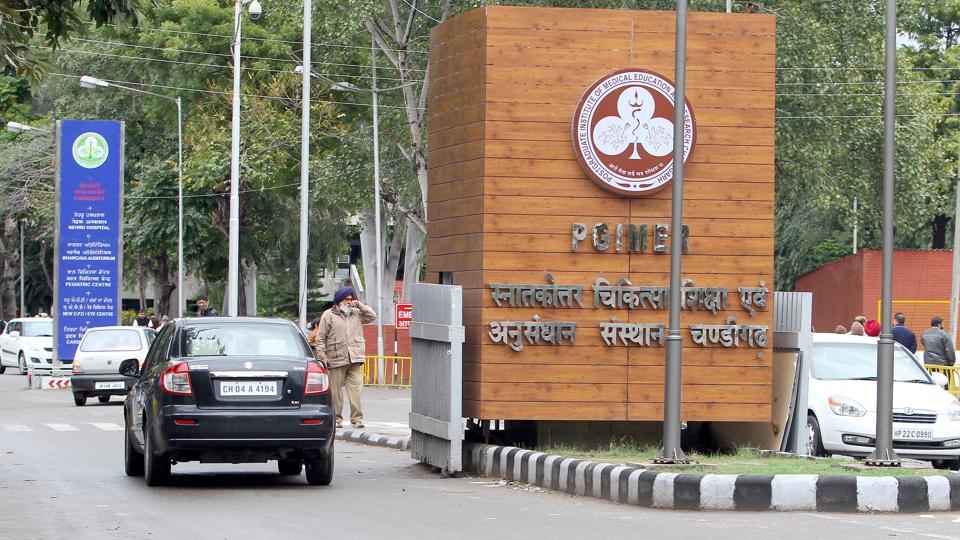
Meanwhile, the Post Graduate Institute of Medical Education and Research (PGIMER) has also installed two oxygen generation plants on campus, and each plant holds the capacity to generate 1,000 litres of oxygen per minute.
“Also, a proposal has been made to the Government of India to set up two more oxygen plants at the UT’s civil hospitals. Two of the three hospitals—civil hospitals in Sector 22, Sector 45 and Manimajra—will soon get approval, and at least 200 litres of oxygen per minute will be generated at each plant,” said Dr Kang.
During the second wave, the demand for oxygen had suddenly increased with the increase in patient load, and the UT administration had to request the Centre to raise its oxygen quota from 20MT to 35MT. The UT health department had wisely distributed the 20MT oxygen among government and private hospitals during the second wave.


