
 E-Paper



PAU, Kazakh university to work in tandem on agricultural research
The Kazakh University extended an invitation to PAU scientists to participate in the upcoming conference on food security.


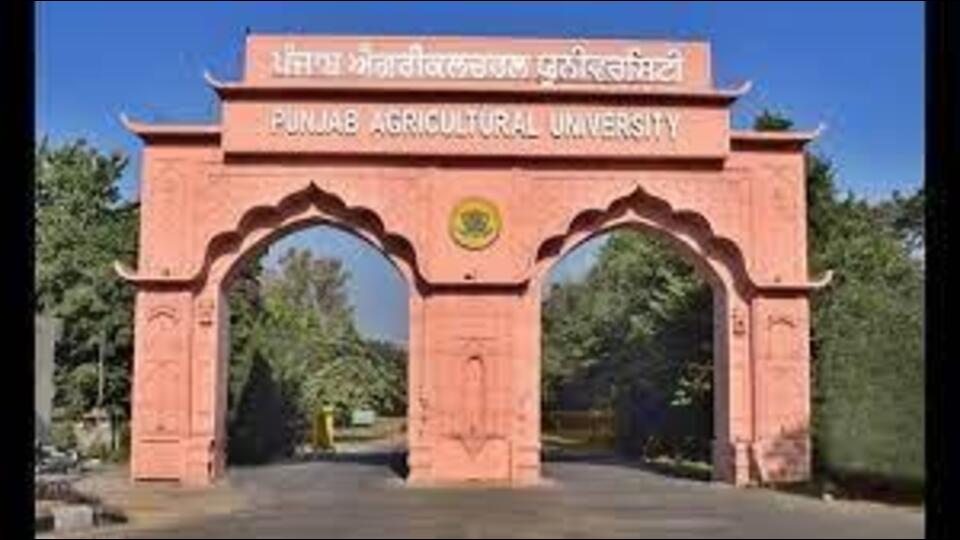
Punjab Agricultural University (PAU) and Saken Seifullin University, Kazakhstan, explored avenues of collaboration and mutual cooperation in scientific advancements in agriculture during a virtual meeting on Thursday.
Saltanat Meiramova, director of Saken Seifullin University, initiated the meeting with Satbir Singh Gosal, vice-chancellor of PAU, facilitated by Sanjay Vedi, director, Swami Vivekananda Cultural Centre, embassy of India at Astana, Kazakhstan.
SS Gosal highlighted PAU’s pioneering innovations and manifold contributions to agricultural sciences. The university’s significant role in revolutionizsing agricultural practices, research, and education in India earned it the prestigious Best State University title in the National Institutional Ranking Framework (NIRF) 2023. Renowned for ushering in the green revolution, PAU continues to focus on conservation agriculture, developing new varieties and hybrids in vegetable and horticultural crops, apiculture, and farm mechanisation.
Gosal mentioned that 60% of the agricultural machinery prototypes used in the country were developed by the College of Agricultural Engineering and Technology (CoAE&T) at PAU. The university is actively exploring climate-resilient, environmentally friendly and highly productive technologies, including genome editing, molecular breeding, micro-irrigation, biosensors, artificial intelligence, IoT-based technologies, robotics, and precision agriculture. Marketing, branding, and value addition technologies are also key areas of focus.
PAU’s director of research Ajmer Singh Dhatt provided an overview of PAU’s vast research technologies in cropping systems, farm mechanisation, agro-forestry systems, biofertilisers, pesticide residue analysis, pest management, post-harvest handling and processing techniques, as well as advanced technologies like micropropagation, GM crops, and nano-fertilizers. PAU has released 900 varieties developed at the national level and is committed to enhancing crop breeding management practices.
Impressed by PAU’s forward-looking vision, Saltanat Meiramova expressed a keen interest in scientific collaboration, particularly in organic food production, food security, and food quality. Saken Seifullin University sought to engage in joint research projects, experimental fields, and internship programs in sustainable agricultural practices. They proposed the establishment of short-term courses for mutual student benefits and student and faculty exchange programs. The Kazakh University extended an invitation to PAU scientists to participate in the upcoming conference on food security.


