
 E-Paper



Rehab, not jail, for 274 addicts in Punjab as they get a shot at reform
Section 64 (A) of the Narcotics Drugs and Psychotropic Substances (NDPS) Act provides that those caught with small quantity of drugs (less than 5gm) shall not be liable to prosecution under Section 27 (punishment of consumption of any narcotic drug or any psychotropic substance) if they voluntarily seek to undergo treatment for de-addiction from a hospital or an institution maintained or recognised by the government or a local authority.


In a major strategy shift in its war against drugs, the Punjab government has adopted a reformative approach, providing special immunity to over 270 addicts caught with small quantity of drugs by sending them to de-addiction centres instead of prison.
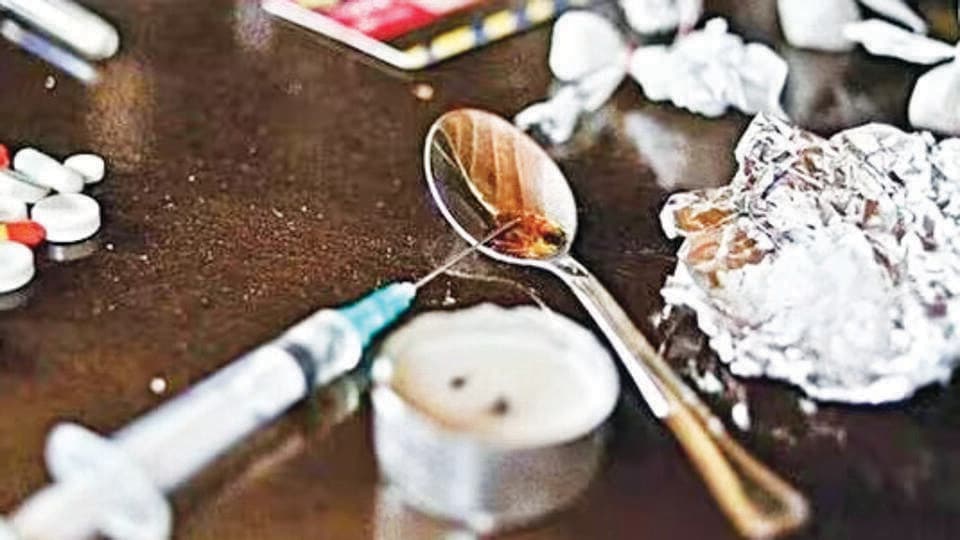
Section 64 (A) of the Narcotics Drugs and Psychotropic Substances (NDPS) Act provides that those caught with small quantity of drugs (less than 5gm) shall not be liable to prosecution under Section 27 (punishment of consumption of any narcotic drug or any psychotropic substance) if they voluntarily seek to undergo treatment for de-addiction from a hospital or an institution maintained or recognised by the government or a local authority. The section also states that the said immunity from prosecution may be withdrawn if the addict fails to complete the treatment.
As per data accessed by Hindustan Times, until January 7, around 274 addicts booked in different cases for possession of narcotics for personal use, opted for treatment under Section 64 (a) of the NDPS Act.
The data also showed that around 50 addicts had returned home after the completion of their treatment and are being closely monitored by de-addiction officials.
Also, senior superintendents of police (SSPs) and police commissioners are also monitoring the success of strategy, as instructed by Special DGP STF Kuldeep Singh.
In Khanna, where 12 addicts involved in 10 cases have been given immunity, SSP Amneet Kondal said, “Those arrested with small quantity drugs will have to apply in the local court for undergoing the 21-day de-addiction treatment. After considering the merit of the plea, the court will decide whether to allow the immunity.” She added, “We are personally monitoring the de-addition at the centres.”
Malerkotla SSP Harkamal Preet Khakh said, “Immunity has been given to seven persons in our jurisdiction. They are grateful to the government for a chance to come back to mainstream.”
“The idea is to give a fair chance to these addicts to get back into the mainstream. We need to look at addicts with compassion instead of treating them as criminals. Putting a person in jail for a long period when he is just an addict is like pushing him into the world of crime as we all know how bad our jail system is,” said a senior STF official.
As per officials, the need for decriminalisation of addicts was felt as in the past few years, a large number of people were jailed in drug cases.
According to senior cops, Punjab sees nearly 10,000 to 12,000 drug FIRs every year, out of which at least 2,000 are those caught with small quantity drugs. Records show that nearly 13,000-14,000 accused are arrested and sent to jail in NDPS cases every year.
Senior officials also said that in 2014 too Punjab had tried to implement this reformatory move but were advised out of it by legal experts.


