
 E-Paper



Slow start to wheat procurement in Punjab
Punjab has received only 185 tonnes of grains since wheat procurement in the first three days since it started on April 1


: Wheat procurement in Punjab is witnessing a slow start with only 185 tonnes of grains received in the first three days since it began on April 1, including 116 tonnes of the produce that arrived in the purchasing centres on Sunday.
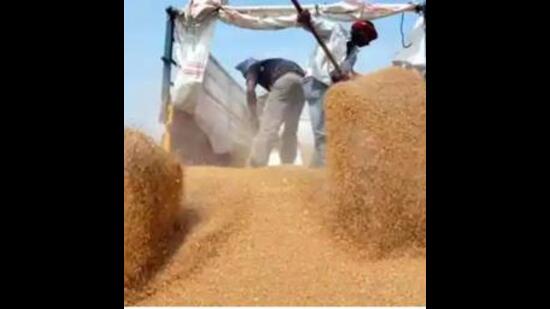
Arrivals were reported in mandis of Mohali, Derrabassi, Rajpura, Khanna, Patiala and Mansa.
The state’s food and civil supplies department has made arrangement for 132 lakh tonnes of wheat and has also made arrangement for cash credit limits of Rs. 29,540 crores to pay up the minimum support price (MSP) for farmers’ produce at rate of Rs. 2,015 per quintal.
In the 2021 rabi season, procurement started on April 10 due to the second wave of coronavirus though the arrivals started in the last week of March. Barring the current season, wheat arrivals start in Punjab in the month of March, week to ten days ahead of the scheduled start of procurement.
As per report from the state agriculture department, the crop is at a maturing stage and full-fledged harvest will start from next week as by then the grain will be ready to be cut. At least 1,892 procurement centres have been set up for grain purchase by four state agencies- Pungrain, Punsup, state warehousing corporation and Markfed and Centre’s food corporation of India (FCI).
The food department has fixed procurement targets for state agencies and the FCI. Against the total arrivals for which arrangements have been made – Pungrian got the largest share of purchasing 25.5% (34.4 lakh tonnes), Markfed 24% (32.4 lakh tonnes), Punsup 23.5% (31.7 lakh tonnes) and state warehousing corporation 14.4% (19.5 lakh tonnes) and 12.6% by FCI with total targets of 17 lakh tonnes. All the procurement agencies have mandis allotted to them.
The state food department has asked farmers to bring completely dried grain to the mandis so that time is not wasted and they get full price for the produce.
According to Dr. BS Sohu, who heads the plant breeding department, overall crop got delayed this time due to long spell of winters, low temperature and spells of rainfall. However, due to sudden rise in temperature, the grain maturing got catalysed but its impact on overall yield is to be seen.
The experts are apprehending a negative impact on the yield.


