
 E-Paper



Spice of Life: Scent of simpler times, whiff of timeless truths
The greatest inheritance we received was the privilege of growing up in a world where relationships mattered more than possessions.

 Prefer HTon Google


Certain sights, sounds and scents transport me instantly to my childhood village. The earthy aroma of water from an earthen pitcher, the rhythmic swish of a wooden madhani churning curd or the fragrance of freshly roasted popcorn can carry me back more than half a century. At 61, I realise these are not merely memories of another era; they are reminders of a way of life that quietly taught us contentment, self-reliance and the value of relationships.
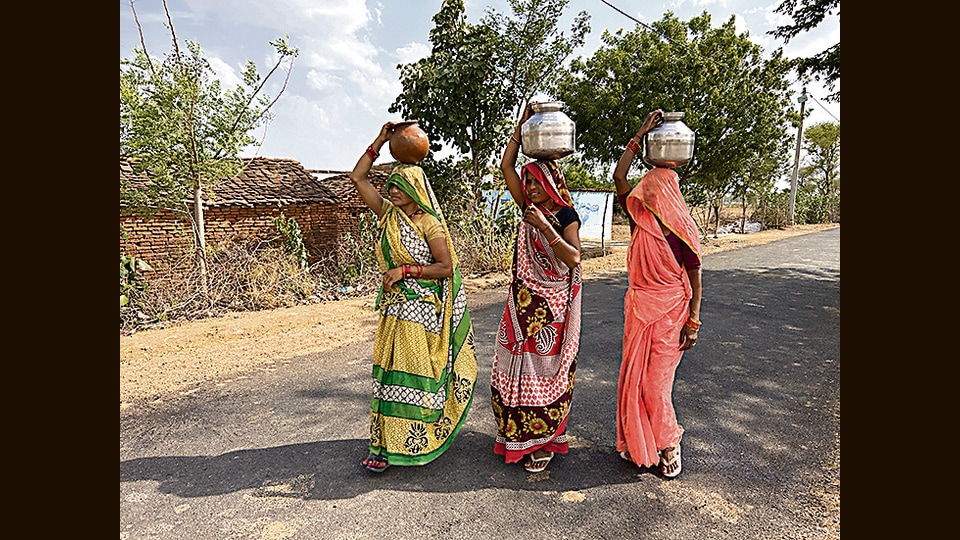
Village mornings unfolded without alarm clocks or mobile phones. We woke to the crowing of roosters, the chirping of sparrows and the lowing of cattle. Nature set the rhythm for the day. Women walked together to the village well or baoli, balancing earthen pitchers on their heads. As children, we watched them leave in cheerful groups. The well was not just a source of water but also the village’s social hub, where neighbours exchanged notes and strengthened bonds.
Life at home revolved around simple routines. Fresh flour was ground on the hand-operated chakki, spices were crushed in the stone ukhli, and meals were cooked on a traditional chulha. Water stored in pitchers remained naturally cool even during the hottest summer days. These tasks demanded effort, but they also fostered patience, self-reliance and an appreciation for things made by hand.
Whenever grain had to be ground in larger quantities, we carried it to the nearby gharat, the water mill powered by a flowing stream. Waiting for our turn never felt tedious because conversations flowed as freely as the water that turned the mill. We returned home not only with freshly ground flour but also with the latest village news.
Changing seasons brought their own delights. After the maize harvest, we eagerly waited for the village woman who roasted popcorn in hot sand over a traditional furnace. We paid her with a small share of our harvested maize. Watching the kernels burst into fluffy white popcorn was almost as enjoyable as eating them. Even today, no packaged snack can match that unforgettable taste.
What I miss most, however, is the spirit of cooperation that defined village life. Whether harvesting crops, building a house or organising a wedding, neighbours worked together without ever expecting any payment. Winter nights concluded around the warm angithi, where grandparents imparted wisdom and folklore to children gathered in rapt attention.
The villages I knew have changed. Hand-operated chakkis have made way for electric flour mills, gharats have fallen silent, and the charkha survives in museums. Modern appliances and technology have made life easier, and few would wish to return to the hardships of the past. Yet, somewhere along the journey, we seem to have lost something precious. Shared work has given way to hired services, evening conversations have been replaced by glowing screens, and convenience has often come at the cost of community.
The fragrance of those simpler times still lingers. It reminds me that while progress enriches our lives with comfort, it is kindness, neighbourliness and contentment that truly enrich the human spirit. Perhaps, the greatest inheritance my generation received was not material wealth but the privilege of growing up in a world where relationships mattered more than possessions and happiness was found in life’s simplest moments.
The writer is assistant registar at Maharaja Agrasen University in Baddi, Solan, and can be reached at gksharmaps@gmail.com


