
 E-Paper



Punjab: Kartarpur Corridor closed for 3 days as Ravi floods Pakistan border
Water level in Ravi river rose after 2.8 cusecs water was released in the Ujh river in Jammu following heavy rain in the region. Water was also released from the Ranjit Sagar Dam. The Ujh merges into the Ravi at Makora Pattan in Gurdaspur district.

 Prefer HTon Google


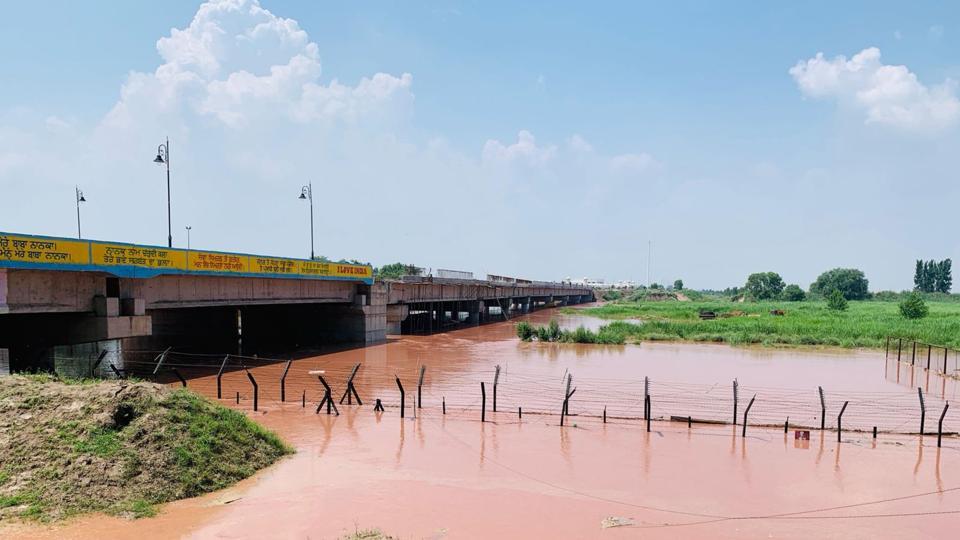
The pilgrimage through Kartarpur Corridor to the Sikh shrine in neighbouring Pakistan has been suspended for three days from Thursday after the rising waters of the Ravi river inundated the Zero Line at Dera Baba Nanak in Gurdaspur district.
Also read: Indomitable spirit of Punjab’s villagers saves towns from flooding
The water level in the Ravi rose after 2.8 cusecs water was released in the Ujh river in Jammu following heavy rain in the region. Water was also released from the Ranjit Sagar Dam. The Ujh merges into the Ravi at Makora Pattan in Gurdaspur district. As a result, the Ravi overflowed and is learnt to have breached an embankment in neighbouring Pakistan. The water entered the low-lying area through which the Zero Line passes in the river’s catchment area.
Zero Line submerged
Villagers noticed that the Zero Line had got submerged early on Thursday morning. Farmers who cultivate land beyond the barbed fence said that the floodwater had damaged their crops.
Though the Dhussi Bundh on the Indian side has stopped the water from flooding Indian territory, the Gurdaspur district administration and the Border Security Force are on their toes to prevent a breach in the bundh that could spell trouble for the historic Dera Baba Nanak town and its adjoining villages. Gurdaspur deputy commissioner Himanshu Aggarwal and sub-divisional magistrate (SDM) Ashwani Arora were at the Zero Line to take stock and review measures to prevent the situation from worsening.
On Thursday, pilgrims arrived at the check-post at Dera Baba Nanak as usual to visit Gurdwara Darbar Sahib in Kartarpur, 5km from the Zero Line across the Ravi in Pakistan through the corridor, which was opened in 2019 on the 550th birth anniversary of Sikhism founder Guru Nanak Dev. The authorities of both the countries decided not to take a chance and asked the pilgrims to wait at the passenger terminal before suspending the passage for three days.
When contacted, Aggarwal said: “The pilgrimage has been stopped till Saturday in view of the flood situation. According to our records, 94 pilgrims were to visit Kartarpur Sahib of which 25 arrived this morning. We made them have a darshan of the gurdwara from the Zero Line from the platform, Darshan Sthal. We are informing pilgrims not to come over the next two days.”
Incomplete bridge in Pakistan
Some farmers alleged that the bundh in Pakistan was deliberately broken, causing water to come to the Indian side. Aggarwal said, “We are checking with the BSF. We cannot blame anyone without verifying facts.”
He said the water level was dipping gradually and hoped normalcy would return soon. He said the administration is trying to strengthen weak points in the Dhussi Bundh.
The bridge over the low-lying area on the corridor at zero point was completed at the time of its opening so that the pilgrimage is not affected during the rainy season. However, Pakistan did not do so on its side despite the concern expressed by the Indian authorities. It started building the bridge after some years but it is yet to be completed. Had Pakistan completed its part, the pilgrimage would not have been interrupted.
Since the opening of the trans-border corridor, this is for the first time that flood water has affected the pilgrimage.


