
 E-Paper



Wildbuzz | Lucky Daboo from the LoC
The story of Daboo is also one of great torment and an accursed birth but human compassion turned around the fortunes of this doomed bear cub.

 Prefer HTon Google


Shelling and landmines routinely claim wild creatures on the LoC, leaving the offspring of such species as the high-dwelling Himalayan black bear orphaned. The story of Daboo is also one of great torment and an accursed birth but human compassion turned around the fortunes of this doomed bear cub.
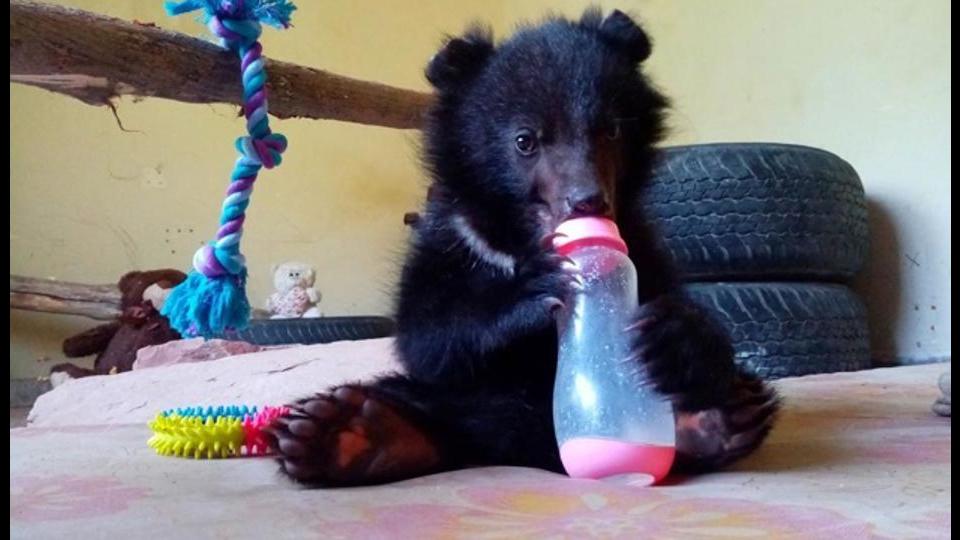
Daboo’s mother was shot by poachers on the LoC in the Neelum valley of PoK. The poachers cropped the ears of the cub, which had barely opened its eyes, to sell it in the bear baiting market.
Ears are cut in furtherance of this illegal blood sport in Pakistan. A pack of proverbial blood-drinking dogs, reared to exhibit extreme viciousness, are launched on the bear tethered to a stake. Galleries ogle and place bets on blood and gore. The flaps of bear ears are docked because dogs target them, leading to wounds and a reduction in the longevity of the entertainment’s mainstay.
By providence, Anila Umair and Sana Raja of the Critters Ark, Rawalpindi, got wind of the cub’s auction and managed to extricate the wailing waif from the poachers’ clutches. The cub was emitting heart-piercing cries very similar to a human child when teased and ill-treated by its ‘deaf’ tormentors.
Once safe in foster mother Anila’s house, the cub received tender care and was fed three litres of milk daily every three hours from a baby feeder. Its ears healed and scabies subsided. Christened ‘Daboo’, the cub’s life bloomed to one of a happy child’s disposition.
The cub was handed over to the Islamabad Wildlife Management Board (IWMB), where it has found the genial company of another cub, Baloo, rescued from a bear charmer. The IWMB plans to rehabilitate Daboo in the LoC forests where it was born. Daboo will need all our blessings and fortune to soldier on in those war-ravaged tracts of a paradise lost.
The conqueror’s humbug
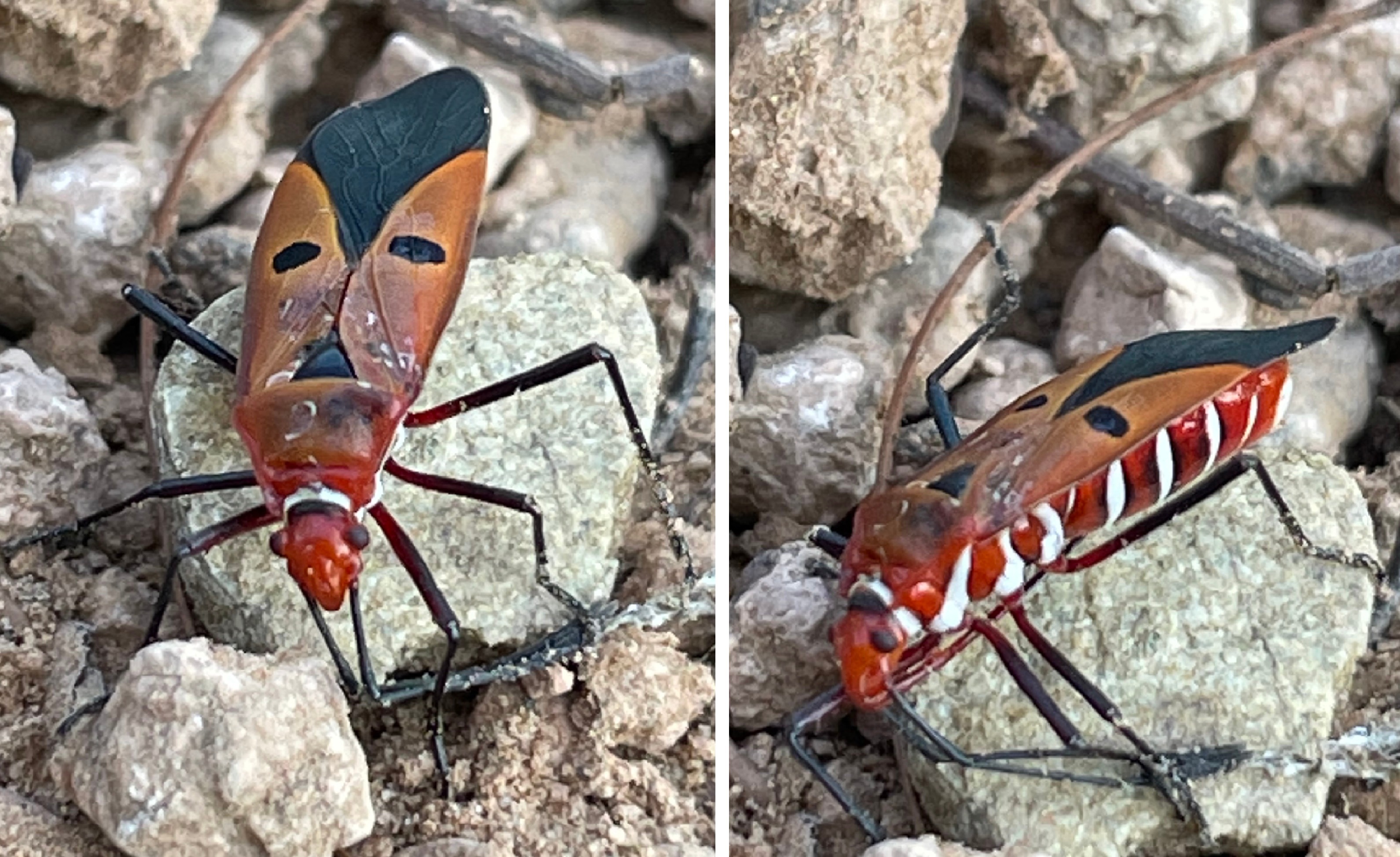
Perched as my better half and me were on the slope of a verdant ridge overlooking the Mirzapur check dam in the Shivalik foothills and savouring a picnic lunch of chilled beer from the icebox and ‘bhurji-piyaaz paranthas’, we welcomed to what seemed to us a guest and a novel on at that. It was distinct from the birds, bees and deer that had crossed our trail to the ridge top. It was a bug, wild by design in colour and pattern.
The tiny creature ventured close to our picnic rug. Upon feeling assured there was no danger from what must have seemed to it as a gigantic and an equally exotic pair of two-legged intruders, its long antennae soon assumed a less-nervous twitch. My wife, Hemani, cautiously took some photographs after her instinctive displeasure with the world’s creepy crawlies relented in Nature’s lap of Mirzapur.
On my return home, I consulted Dr Sandeep Khushwaha from the Hemiptera Section and DNA Laboratory, Zoological Survey of India, Jabalpur. He has authored research papers on such insect families. Dr Kushwaha identified it from the photos I sent him as the red cotton bug (Dysdercus koenigii -- Fabricius 1775, family: Pyrrhocoridae) with an average length of 16mm.
Agricultural scientists working on pest threats routinely label this species as a common pest on cotton. In recent times, they have alarmingly targeted BT cotton. Red cotton bugs feed on seeds within developing cotton bolls, leaving a stain on the lint. Consequently, this feeding by puncturing the flower buds or young cotton bolls usually causes reduction in size; or the cotton plant’s fruiting body may abort and drop to the ground.
It is another matter that the human conquest has cleared the natural habitat of such creatures, forcing them to adapt to the supposedly ‘green’ agricultural colonisations of their erstwhile wild homes. Luscious crops of the verdant countryside are, in fact, a minefield for such creatures: booby-trapped as they are with poisons in the guise of pesticides and insecticides.
vjswild1@gmail.com


