
 E-Paper



Covid-19 on the frontline – 1: Right now, things are in control in Pune, says Dr Prasad Rajhans
Dr Prasad Rajhans talks about how Pune is preparing to tackle the global pandemic


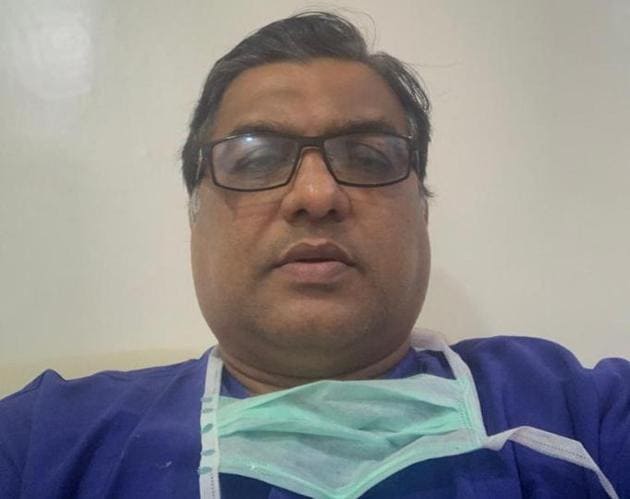
Dr Prasad Rajhans , chief intensivist, Deenanath Mangeshkar Hospital, Pune, speaks to HT about city’s preparedness for dealing with the Sars-cov-2 virus which causes the Covid-19 (coronavirus) infection. It has been declared a pandemic by the World health Organisation (WHO).
What exactly is your role in this crisis?
I am in charge of the Emergency Department and ICU (Intensive Care Unit) and have been very busy. We are doing all kinds of preparedness for the Covid-19 pandemic. We have to train the staff, get everything in order, see the disaster preparedness of the hospital.
How does your day begin and roll out?
I stay next to the hospital, so, before I head to work, it is imperative to look after one’s health. I do pranayama (breathing exercise in yoga) in the morning. Once I come to the hospital, I take a round in the ICU to see my patients, followed by an academic discussion with my colleagues to get ourselves updated on Covid-19. I have taken 30 lectures for my staff on facts about Covid-19 and motivation, which is absolutely important during this pandemic.
What precautions are you taking?
Basically, we have to make sure that hand washing is important. Then, while looking after highly suspected Covid-19 patients, we need to take care that we are covered in proper, scientific personal protective equipment (PPE). Finally, we need to follow all the precautions at home that we teach to our staff.
What is your assessment of the Covid-19 crisis in Pune? How is it unfolding?
Right now, we are very much in control of the situation and there is good networking between the public and private sector. Also, many industries have come forward with donations and support. So, basically, we will have to keep a close watch until the end of April and May to see how things evolve.
What gaps do you see in healthcare and relief work?
I think the main problem that hospitals and healthcare workers will face is the shortage of protective consumables such as N95 masks and PPEs (personal protective equipment). The problem is, people have hoarded these things in their houses and these items are being sold at a very high cost. There needs to be some kind of monitoring as to what price they should be sold at. I would request people who have stocked N95 masks in their homes to come and donate them to the nearest hospitals.


