E-Paper



In new Char Dham SoPs, Covid -ve report is must for pilgrims from 3 states
Char Dham yatra: A Covid negative test result will be mandatory for pilgrims from Kerala, Maharashtra and Andhra Pradesh, irrespective of their vaccination status, according to Uttarakhand's SOPs.

 Prefer HTon Google


Dehradun: Pilgrims headed to Uttarakhand for the Char Dham yatra will have to produce a Covid-19 negative test report unless they have a certificate to demonstrate that they received both doses of the Covid-19 vaccine, the Uttarakhand government said in a fresh set of standard operating procedures (SOPs) for the pilgrimage starting Saturday. The SOPs were issued days after the high court lifted its June 28 stay on the yatra but cautioned the state to conduct the annual pilgrimage with strict adherence to Covid-19 guidelines.
The Covid negative test report will, however, be mandatory for pilgrims from Kerala, Maharashtra and Andhra Pradesh, three states that account for 75 per cent of the country’s 3,39,056 active Covid cases on Friday, irrespective of their vaccination status.
The tests should have been conducted within 72 hours of the Char Dham yatra.In case of people who produce a vaccination certificate, the SOP requires that at least 15 days should have passed after receiving their second dose.
Outstation pilgrims are also required to register on the state government’s portal for the Char Dham yatra. Pilgrims from within the state can straightaway apply for the yatra e-pass from the Char Dham Devasthanam Management Board website.
The daily limit of pilgrims will be 1,000 for Badrinath, 800 for Kedarnath, 600 for Gangotri and 400 for Yamunotri shrines.
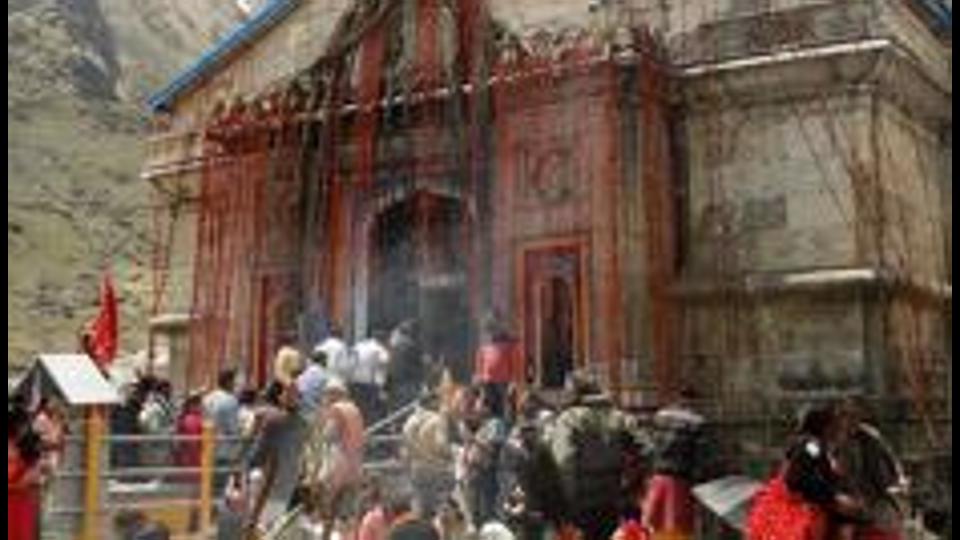
Kedarnath, along with Badrinath, Yamunotri and Gangotri, collectively called Char Dham, attract lakhs of pilgrims each year. Traditionally, Char Dham pilgrimage begins from the west from Yamunotri, then proceeding to Gangotri and finally to Kedarnath and Badrinath in the east. Kedarnath shrine is located in Rudraprayag district, while Badrinath is in Chamoli district. Yamunotri and Gangotri shrines are located in Uttarkashi district.
Pilgrims suspected to be infected or have symptoms of Covid will be tested at the designated testing facilities in the state and if found positive, they will be isolated and referred to the designated Covid treatment facilities in the state.
The SOPs mandate that the Char Dham shrines and their surrounding areas will be sanitised thrice a day.
At Char Dham shrines, CCTVs will also be used for checking whether pilgrims are following social distancing and wearing facemasks, apart from continuous checking by law enforcement agencies, according to the SOPs.
There will be Covid testing facilities, availability of medicines, medical oxygen on Char Dham routes. For natural disasters along the routes, heli-ambulance will be available for Gangotri, Kedarnath and Badrinath areas.
Employees of hotels, resorts, dharamshala, homestay and guesthouses where pilgrims can stay should be vaccinated.
Pilgrims cannot touch the idols or bells at the temples. Also, they cannot take ritualistic baths at the temple kunds (springs or holy water sources).
Six people can come for pilgrimage through one registration certificate and they have to visit the shrines within two days (starting from the day for which they have registered for the darshan). Pilgrims will not be allowed inside the sanctum sanctorum of the shrines. They also can’t offer any type of prasad (sanctified food) in the temples.