E-Paper



‘May Kedarbaba forgive them’: TS Rawat on being stopped from entering Kedarnath
Former chief minister Trivendra Singh Rawat asked the BJP government not to buckle under pressure from priests at Kedarnath opposed to the Char Dham Board that his government pushed for.

 Prefer HTon Google


DEHRADUN: Former chief minister Trivendra Singh Rawat, who was prevented by priests opposed to the Char Dham Board from praying at Kedarnath shrine on Monday, said what happened in Kedarnath was not according to the values and identity of Devbhoomi Uttarakhand (land of gods).
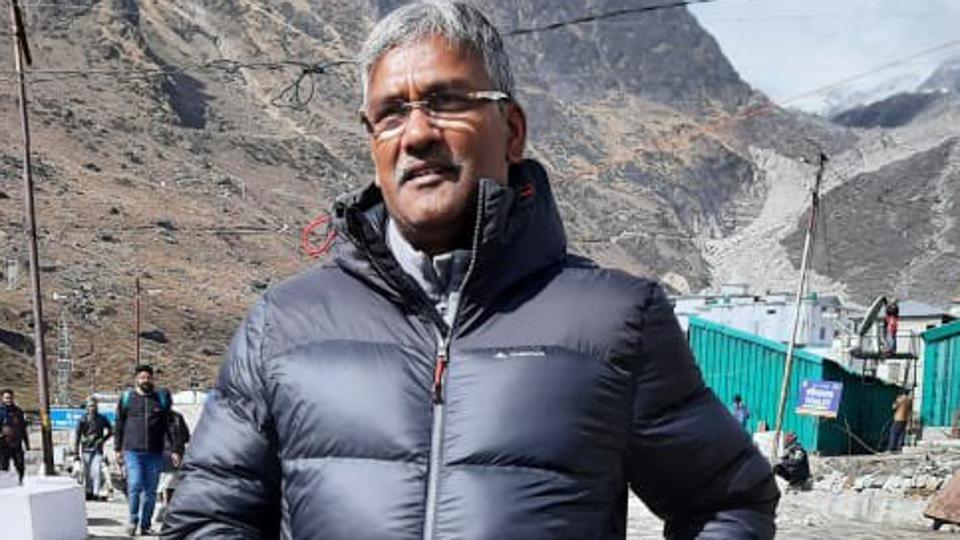
“May Kedarbaba forgive them (protesting priests),” the former chief minister and senior Uttarakhand Bharatiya Janata Party (BJP) leader said on Tuesday.
“Whatever happened yesterday (Monday) is not allowed by a civilised society…the kind of slogans that were raised…were not the ones that unite people…they were not right”, he told reporters here.
On whether there is politics behind the Monday incident, Rawat said “There are some people who are into this due to political reasons…but some are into it due to their vested interests…and some due to mere carelessness...”.
Rawat said the sentiments of crores of Hindus living across the world, who want to come to Char Dham, should be respected. “What they want should be respected. So I have said this that formation of Char Dham Board has been the most progressive decision in the 20-year history of the state”, he said
“Some people will feel pain but we should care about people who come to Char Dham to pray for relieving of their pains”, he said.
“It should be clearly understood that there are 51 more temples under Char Dham Devasthanam Board, apart from the four Char Dham shrines. There are issues related to the maintenance of these 51 temples. The priests and managers of these 51 temples are not opposing the Board. But their voice is not being highlighted. Only those who are protesting are being heard”, he said.
Rawat said boards and trusts have been formed for the management of many temples and shrines in the country, where a lot of change has been witnessed after the formation of boards. “Such changes need to be studied. Colleges, universities and hospitals are being run by such boards and trusts”, he said.
The former chief minister said two years ago Jageshwar temple trust was formed on the demand of the local people. “Now people in Purnagiri and Devidhara areas are making similar demands for temples there”, he said.
Rawat compared opposition to Char Dham Board to the opposition by farmers to three farms laws.
“Farmers are opposing but they are not ready to tell you what exactly they are opposing. ….similarly, here opposition to Char Dham is happening for the sake of opposition… This is not right… If the government bows now, in the coming time, it will create a lot of problems for future governments”, he said.
Senior Congress leader and former chief minister Harish Rawat when asked about the incident, said he doesn’t agree with it and it should not have happened. “Baba Kedar forgives all…so in the land of Kedar Baba, all should be forgiven…But priests are angry over the delay…”.
KK Kotiyal, president Char Dham Tirath Purohit Haq Haqooki Mahapanchayat said protesting priests stopped Trivendra Singh Rawat from having darshan at Kedarnath on Monday as they were very angry.
“The state government promised that the stalemate over Char Dham Board will be resolved by October 30. But nothing has been done. It was Trivendra Singh Rawat whose government pushed the formation of the Char Dham Board. Those responsible for all this are not welcome here”, he said.