
 E-Paper



5 million end-of-life vehicles deregistered in 10 months
Deregistration immobilises vehicles from a legal standpoint and ensures that they cannot be lawfully used


In a massive crackdown on vehicles nearing their shelf life, the Delhi government has deregistered more than 5.3 million vehicles between 2018 and 2022, of which a little over 5 million vehicles were delisted in 2022 alone, transport department officials said.
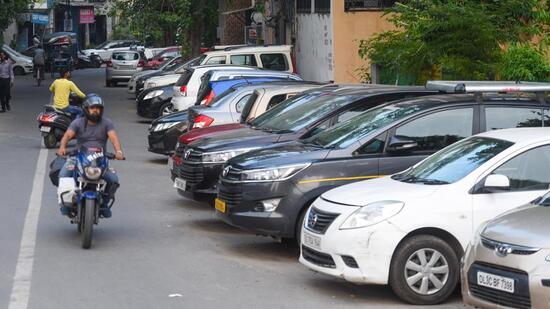
Deregistration immobilises vehicles from a legal standpoint and ensures that they cannot be lawfully used. “Deregistered vehicles cannot be sold and the insurance of such vehicles cannot be purchased. Using such vehicles becomes illegal and such vehicles can be impounded,” said an official.
Any registered diesel vehicle more than 10 years old, and petrol vehicle over 15 years old cannot operate in the national capital region (NCR), according to various orders issued by the National Green Tribunal (2015) and the Supreme Court (2018). The government calls such vehicles “end of Iife” vehicles and driving them in Delhi is illegal, with the aim that old vehicles with dated emission standards do not ply in the Capital.
Of the 5,338,045 vehicles deregistered in the Capital, 4,698,391 were petrol-run, 415,362 had diesel engines and 41,311 ran on CNG.
“This year, the process of deregistration started in January and by October 17, the transport department deregistered over 5 million vehicles in total. It is an important move in combating air pollution in Delhi because checking vehicular pollution can contribute to improvement in air quality,” said Delhi transport commissioner Ashish Kundra.
According to transport department data, Delhi had 13,402,875 registered vehicles as on January 31, of which 7,866,867 were categorised as “active”, that is, vehicles with a valid registration which are yet to hit the ‘end of life’ age and are fit to ply on city roads.
However, there is a catch: the Delhi government does not have any mechanism to know how many of deregistered vehicles are plying in Delhi. To ensure that such vehicles are not used in the Capital, the Delhi government has deployed multiple enforcement teams across the city to randomly check a vehicle’s registration and pollution under control (PUC) certificate. “If a person is found plying deregistered vehicle, the vehicle is impounded by the transport department. Between January 1 to October 10, 2022 our enforcement teams have impounded 6,754 vehicles which were de-registered but still being used,” said a transport department official.
Transport minister Kailash Gahlot said, “The Delhi government is taking all necessary steps to improve the air quality in the city, and the introduction of electric buses and the crackdown on end-of-life vehicles are part of the larger action plan. As a result, the pollution in the city has reduced significantly in 2021-22 as compared to 2017-18, according to a report by the NCAP [National Clean Air Programme] of the Government of India... I hope the governments in neighbouring states also take similar action to prevent vehicular pollution as the Supreme Court orders were meant for the whole of Delhi-NCR.”
A large number of vehicles registered in Haryana ana Uttar Pradesh enter the national capital everyday.
A senior transport department official engaged in the enforcement of transport rules said awareness on overage vehicle needs to be enhanced. “It is better if owners start planning to sell or re-register their vehicles nearing their end-of-life age sooner than when they actually cross 10 or 15 years. That way, they will get more returns and also go through the process easily. Scrapping is an option if one wants to retain the registration number or if a vehicle has crossed 15 years or if it is badly damaged,” the official said.
“Delhi’s motor licensing officers issue no-objection certificates (NOCs) for vehicles that are either above 15 years old, or above 10 years if it is a diesel variant. The vehicles cannot be used in Delhi, but these NOCs can be used in select states to get the vehicle re-registered there. It is illegal to drive any such vehicle without re-registration in that state,” the official said.
States where such vehicles are allowed to be sold and re-registered include Rajasthan and Meghalaya (all districts), Bihar (18 districts), Maharashtra (26 districts), Uttar Pradesh (33) and West Bengal (all districts but only BS-IV vehicles).
Anumita Roychowdhury, executive director (research and advocacy) at Centre for Science and Environment (CSE), said: “Vehicles are among the top contributors to Delhi’s air quality. Therefore, in addition to meeting the mass emissions standards at the time of manufacturing of vehicles, stringent monitoring of emissions from vehicles on road is also necessary to ensure that vehicles are maintained well and do not deteriorate to emit more than they are designed to emit. The vehicles which hit ‘end of life’ period are invalid because they tend to have dangerous emissions levels. The deregistration of the vehicles is an important step towards checking emissions from such vehicles. At the same time, 100 per cent compliance with basic PUC norms also requires credible and properly conducted PUC tests.”
Roychowdhury added that it is more important to go beyond very basic PUC tests and introduce more advanced monitoring systems, like remote sensing monitoring on a roadside to capture the level of pollutants from vehicles passing by to better profile emissions from vehicles of different genres and ages, and to effectively catch highly-polluting vehicles for effective action.
However, some owners say the rule adversely affects them. “I own a car that is 12 years old, and because of the government rule, I am feeling pressured to sell off a car that works perfectly,” complained Akshay Manchanda, 29.

Stay updated with all top Cities including, Bengaluru, Delhi, Mumbai and more across India. Stay informed on the latest happenings in World News along with Delhi Election 2025 and Delhi Election Result 2025 Live, New Delhi Election Result Live, Kalkaji Election Result Live at Hindustan Times.


