
 E-Paper



Protecting brain health through early action in MS
This article is authored by Dr Charulata Sankhla, consultant neurophysician, PD Hinduja Hospital, Mumbai.

 Prefer HTon Google


Every single day in my clinic, I am reminded that the brain is not just an organ; it is the silent custodian of our identities. It holds our memories, enables our movements, shapes our work, and allows us to experience the people we love. When brain health is compromised, it isn't just a clinical diagnosis—it alters the very rhythm of daily life. This is why every year on World Brain Day, the World Federation of Neurology rallies around a singular truth. This year's theme, "Brain Health: Access for All" strikes a deeply personal chord for me as a clinician. It is a vital reminder that regardless of geography or socioeconomic background, every single individual deserves the awareness, the timely diagnosis, and the advanced treatment necessary to preserve their neurological health and protect their quality of life.
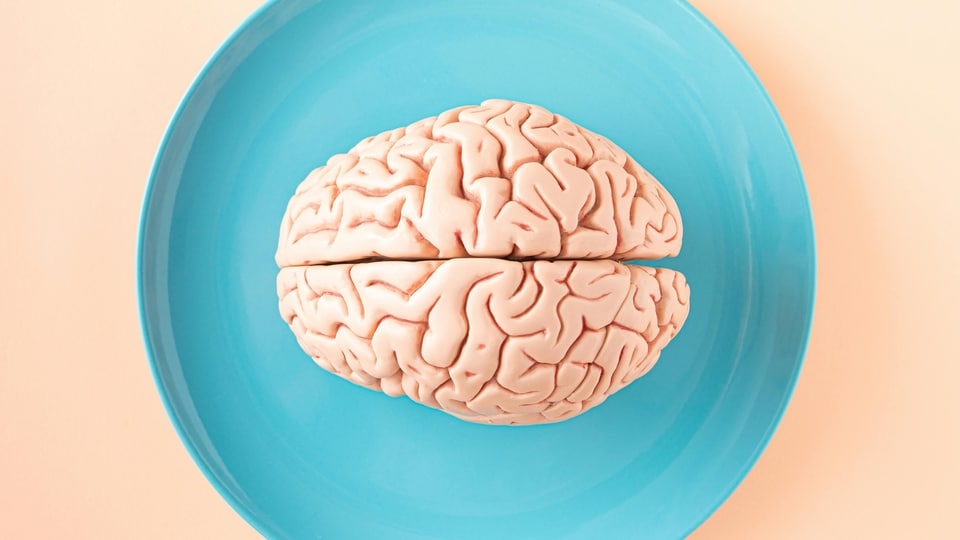
This universal need for access becomes vividly clear when we look at multiple sclerosis (MS)—a complex neurological condition that strikes at the very peak of productive life, typically affecting young adults between the ages of 20 and 40, and uniquely occurring nearly three times more frequently in women. Because it hits individuals during their prime career and family-building years, MS carries the heavy potential to cause significant long-term disability; yet, the profound tragedy is that much of this disability is entirely preventable. When we narrow our focus to MS, prioritising brain health ceases to be an abstract medical goal—it becomes a time-sensitive mission to intervene before irreversible damage occurs.
MS is a chronic autoimmune disease of the central nervous system. The body's immune system wrongly targets the myelin sheath, the layer that protects nerve fibres in the brain and spinal cord. This damage interferes with the signals traveling between the brain and the rest of the body, leading to various symptoms like blurred vision, numbness or tingling, muscle weakness, balance problems, improper gait, fatigue and cognitive changes. MS was once thought to be rare in India, growing awareness and better diagnostic tools are helping more people get diagnosed. However, many still face delays in receiving an accurate diagnosis, often because the initial symptoms are not obvious or are overlooked. These delays can be harmful because the disease may still be active even when symptoms are not clearly visible, leading to long-term neurological damage.
Our understanding of MS has evolved considerably over the past decade. Earlier, treatment largely focused on managing relapses as they occurred. Today, the emphasis has shifted towards preserving brain health by recognising the disease early and initiating appropriate treatment before disability sets in. The goal is no longer only to reduce relapses, but also to help slow disease progression, preserve neurological function and enable people to maintain their independence, careers and quality of life for as long as possible.
Alongside improvements in diagnosis, there have been significant advancements in the available treatments. Nowadays, treatment choices are more tailored to individual patients, aiming to manage the disease effectively from the early stages. For suitable patients, highly effective therapies have transformed expectations by helping to lower disease activity and slow the progression of the condition, allowing many people with MS to keep their independence and enjoy better quality of life. High efficacy therapies coupled with ease in dosing options that require only twice a year infusions, are allowing young adults with MS to live as near-normal lives as possible.
This year's World Brain Day theme highlights that access to neurological care goes beyond just having treatment available. There is increasing focus on the symptoms of neurological conditions, which helps people seek medical help at an early stage. It also involves training primary care doctors to identify possible signs of MS and refer patients to neurologists promptly. Access to timely MRI scans, specialised neurological treatment, ongoing disease management and rehabilitation services are all important parts of maintaining overall brain health. World Brain Day serves as a vital reminder that true neurological care involves far more than just managing an illness; it requires us to champion early action, dismantle barriers to awareness, and ensure equitable health care access for all. MS is perhaps the ultimate testament to why this proactive paradigm matters. As clinicians, we see first-hand that individuals living with MS are not just patients—they are true warriors, navigating the everyday unpredictability of this condition with immense grit and resilience. But they should not have to fight this battle alone. It is our collective responsibility as a health care ecosystem to stand beside them and ensure they have timely access to the highest efficacy treatments available today. By equipping these warriors with the best that medical science has to offer right from the start, we can rewrite the narrative of MS—turning a challenging diagnosis into a journey defined by hope, strength, and a thriving future.
(The views expressed are personal)
This article is authored by Dr Charulata Sankhla, consultant neurophysician, PD Hinduja Hospital, Mumbai.


