
 E-Paper



Amid Delhi water crisis, CM Rekha Gupta orders emergency measures: ‘Extra tanker ops, monitor leakages’
Officials aware of the matter explained the brunt of the crisis was triggered by a sharp decline in raw water in the Yamuna at Wazirabad amid peak summer demand

 Prefer HTon Google


Amid a continuing water crisis that has impacted millions and disrupted supply across several parts of the Capital for over a week, chief minister Rekha Gupta on Saturday chaired a high-level review meeting and directed officials to intensify emergency response measures such as pumping from the dry Yamuna riverbed, ramping up water tanker operations, and diverting additional raw water to sustain treatment plants.
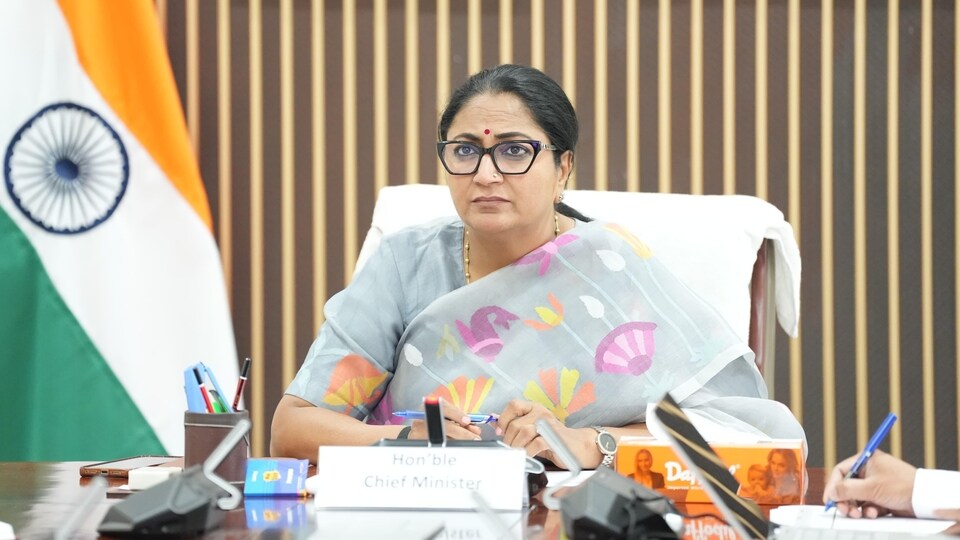
The meeting, conducted via videoconferencing from the Chief Minister Seva Sadan, was attended by water minister Parvesh Verma, Delhi Jal Board (DJB) vice-chairperson Satish Upadhyay, chief secretary Rajiv Verma, DJB CEO Vijay Bidhuri, and other senior officials.
ALSO READ | Water crisis continues in Delhi as supply hit for over a week in several pockets
Officials aware of the matter explained the brunt of the crisis was triggered by a sharp decline in raw water in the Yamuna at Wazirabad during peak summer demand. This, they said, impacted the water treatment plants (WTPs) such as those at Wazirabad and Chandrawal that pull water from the Yamuna, treat it and supply it across the city. According to the government’s latest estimates, Delhi currently requires around 1,250 million gallons per day (MGD) of water during summer, while actual production has dropped to nearly 900 MGD – a shortfall of over 10%.
Emergency measures
In a statement after Saturday’s meeting, Verma said the water level at Wazirabad had fallen sharply from the normal pond level of 674.5 feet to nearly 668 feet, severely impacting raw water availability and reducing production by 80-100 MGD.
“This situation has been aggravated by the prolonged dry spell in the upper reaches of the Yamuna,” he said.
ALSO READ | Water crisis hits Sushant Lok Phase 2 over ‘recurring pump failures’
To counter the crisis, DJB has installed emergency pumping arrangements directly in the dry riverbed, which will contribute nearly 40 MGD of additional raw water. Alongside this, around 130 MGD has been diverted from the Carrier Line Canal through the Twin Mains system. Together, these measures have been put in place to sustain production at the Wazirabad and Chandrawal treatment plants, the officials cited above said.
The Wazirabad plant, however, continues to function at only around 50% of its installed capacity due to reduced raw water availability, with cascading effects on supply across large parts of north, central, and east Delhi. Also on Saturday, the Delhi government said that the government of Haryana has assured maintaining a minimum supply of 1,000 cusecs of water through the Munak Canal after the CM spoke to her Haryana counterpart Nayab Singh Saini. “Protecting the interests of Delhi and ensuring drinking water availability are among the highest priorities of the government,” Gupta said after the meeting.

To be sure, , the additional release of only 80-90 cusecs more than usual will flow into the Munak Canal, not directly into the Yamuna, which is in dire need of raw water around the Wazirabad Barrage area. The additional supply will marginally help certain areas under the Haiderpur plant catchment.
DJB officials said around 200-210 cusecs of water should be received at the Wazirabad barrage for plants to run normally. Currently, the barrage is dry, and portions of the riverbed are being dug up to bring 40-50 cusecs of water to the Wazirabad WTP. Officials informed the meeting that more than 980 DJB water tankers are currently operating across Delhi, making over 6,000 trips daily to supply water in affected areas. Smaller tankers have been deployed in congested colonies and narrow lanes where larger vehicles cannot access. Additionally, new borewells in the Yamuna Khadar region have increased water production capacity marginally – by around 10.5 MGD.
ALSO READ | NGT plea flags “grave” water crisis across Haryana, cites policy failure
The chief minister directed officials to strictly monitor water leakages and ensure prompt action on complaints.
According to figures presented during the meeting, the DJB helpline received 11,055 complaints in the last week, of which over 8,500 have been resolved.
Long-term initiatives
The government also reviewed long-term initiatives, including a feasibility study by IIT-Roorkee on bringing water from Haryana through a dedicated pipeline network to reduce transmission losses and leakages. Officials said work is underway on dredging and de-silting near Wazirabad, construction of new water treatment plants, development of additional borewells in the Yamuna floodplains, and implementation of a phased dual water supply system for non-potable use of treated wastewater.


Stay updated with all top Cities including, Bengaluru, Delhi, Mumbai and more across India. Stay informed on the latest happenings in World News along with Delhi Election 2025 and Delhi Election Result 2025 Live, New Delhi Election Result Live, Kalkaji Election Result Live at Hindustan Times.


