E-Paper



Water crisis continues in Delhi as supply hit for over a week in several pockets
Officials said Delhi is currently facing a shortfall of around 90-100 million gallons per day, which translates to a nearly 10% reduction in supply across zones

 Prefer HTon Google


Water shortages deepened across large parts of Delhi on Friday, with residents in several neighbourhoods reporting dry taps for days, mounting dependence on tankers and growing concerns over contamination, while authorities offered little clarity on when normal supply would be restored.
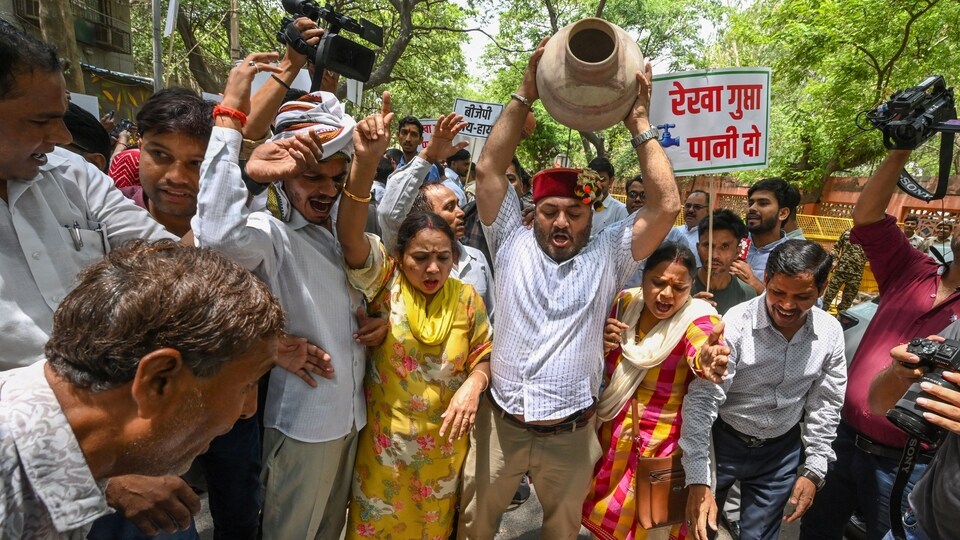
While complaints of low pressure and disrupted supply have surged over the past week, the Delhi Jal Board (DJB) and the Delhi government have not issued any public advisory or detailed statement acknowledging the scale of the crisis. Officials confirmed that the practice of issuing daily summer water supply bulletins, which had been followed in previous years, was discontinued last year and has not resumed this summer.
Officials in the water department said the city is currently facing a shortfall of around 90-100 million gallons per day (MGD), which translates to a nearly 10% reduction in supply across several zones. Water production at the Wazirabad, Chandrawal and parts of the Haiderpur water treatment plants has also been hit due to low raw water availability in the Yamuna.
Also Read: Delhi airport gets country’s first SkyCast weather monitoring system
A DJB official, requesting anonymity, said the situation is unlikely to improve immediately despite isolated rain in the city.
“Rain alone will not help much. The river level will improve only when there is sustained rain in the upstream states from where the Yamuna gets its flow,” the official said.
Residents across north, south, west and east Delhi said the lack of communication from authorities has compounded the hardship, leaving many unsure about supply timings or restoration schedules.
In Model Town and adjoining Mohan Park, residents said water supply had remained disrupted for nearly four days.
“There is no information from DJB. We don’t know whether water will come in the morning, evening or not at all. People are staying awake late into the night waiting for supply,” said Ashok Bharti, a resident of Mohan Park.
In Sudarshan Park in west Delhi, residents alleged that several lanes had received either no supply or contaminated water over the past five to six days.
Several complaints posted on social media over the past two days showed residents from Rohini, Shahdara, Bhola Nath Nagar, Model Town and west Delhi reporting prolonged disruption in supply and poor response from helplines.
Also Read: Monsoon concerns deepen as rainfall forecast falls to 90% of normal
Residents also reported an increase in contaminated water supply, particularly in colonies receiving low-pressure supply.
“There are complaints of dirty and foul-smelling water because pipelines remain empty for long periods. Once pressure drops, contamination becomes a major issue,” another DJB official said.
Officials said talks with Haryana regarding additional raw water are ongoing. However, no further relief had been received till Friday evening, apart from around 63 MGD of additional water released three days ago.
The political row over the crisis also intensified on Friday, with the Aam Aadmi Party accusing the BJP-led Delhi government of underreporting the scale of the shortage.