E-Paper



At 5 days, decade’s longest January cold wave keeps Delhi shivering
Safdarjung, which is representational of Delhi’s weather, has been recording a cold wave since January 5, when the minimum was 3°C. On January 6, Delhi recorded a low of 4°C; 2.2°C on January 7 and 1.9°C on January 8, which was the coldest day since January 1, 2021, when the mercury dipped to 1.1°C.

 Prefer HTon Google


The Capital recorded its fifth consecutive cold wave day on Monday, with Safdarjung, representational of Delhi’s weather, recording a minimum temperature of 3.8 degrees Celsius (°C)– three degrees below normal. This is now Delhi’s longest January cold wave streak in the last decade. The Capital last recorded a similar streak in January 2013, when 5 consecutive cold wave days were recorded. India Meteorological Department (IMD) forecasts show a western disturbance is likely to influence north India between January 11 and 13, leading to a gradual rise in the mercury from Tuesday. However, isolated parts of Delhi could still see cold wave conditions.
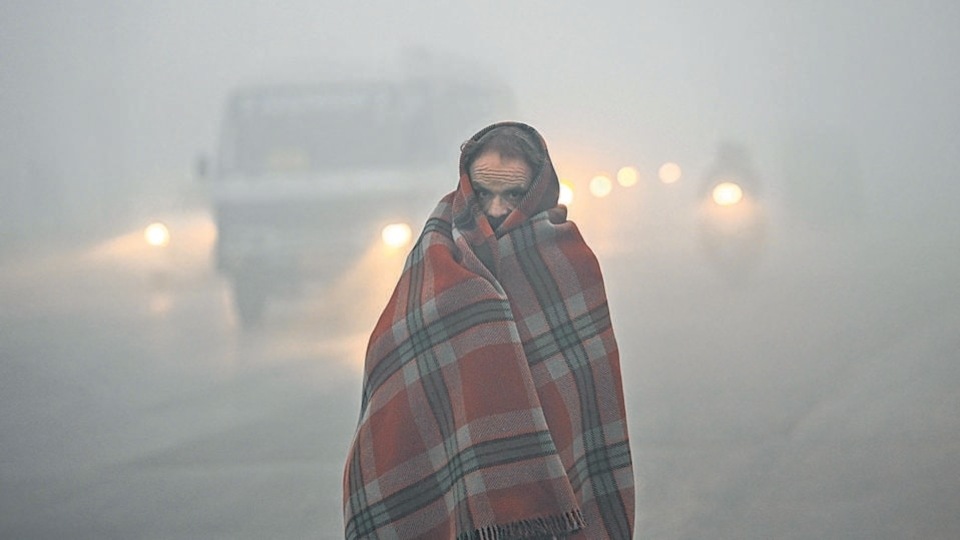
A cold wave is declared in the region when the minimum temperature is 4.5 degrees or more below the normal mark, or when it drops to 4°C or lower.
Safdarjung, which is representational of Delhi’s weather, has been recording a cold wave since January 5, when Delhi’s minimum was 3°C. On January 6, Delhi recorded a low of 4°C; 2.2°C on January 7 and 1.9°C on January 8, which was Delhi’s coldest day since January 1, 2021, when the mercury dipped to 1.1°C.
Also Read | 20-hour fog spell delays 200+ flights, 73 trains in Delhi; haze likely today: IMD
IMD data from 1992 onwards also shows that the most number of cold wave days (12) recorded in January were in 2008. In 1997 and 1998, Delhi recorded 7 cold wave days, while 6 such days were recorded in January 2003, 2013 and 2021.
“Delhi has already recorded five cold wave days and while Safdarjung may not record a low of 4°C or lower on Tuesday, isolated parts of Delhi may still see a cold wave,” said a Met official, adding temperatures were already beginning to rise, owing to a western disturbance developing over north India.
“This western disturbance will lead to a change in wind direction from northwesterly to westerly and southeasterly, which will halt this cold spell. Until cold northwesterly winds continue, Delhi will record a minimum that is below normal,” the official said, asking not to be named. He added that this fresh western disturbance will also lead to cloudy skies, which also makes it difficult for heat to dissipate from the earth’s surface at night.
According to data, other locations in Delhi were even colder, with Lodhi Road recording a low of 3.6°C, Ridge 3.3°C and Ayanagar 3.2°C. Delhi meanwhile recorded a maximum of 18.6°C – one degree below normal and 0.4 degrees higher than Sunday’s maximum.
Forecast for Tuesday shows Delhi will continue to see dense fog, with the maximum temperature settling around 19°C, while Delhi’s minimum will be around 5°C. On Wednesday, the maximum temperature will hover around 19°C, while the minimum will be around 6°C.