
 E-Paper



CAQM approves measures to curb air pollution in Delhi-NCR
The CAQM approved measures to reduce vehicular emissions and stubble burning in Delhi-NCR, including banning new fossil fuel three-wheelers and enhancing air quality monitoring.

 Prefer HTon Google


New Delhi: The Commission for Air Quality Management (CAQM) on Friday approved a series of measures aimed at curbing vehicular emissions and crop residue burning across the National Capital Region.
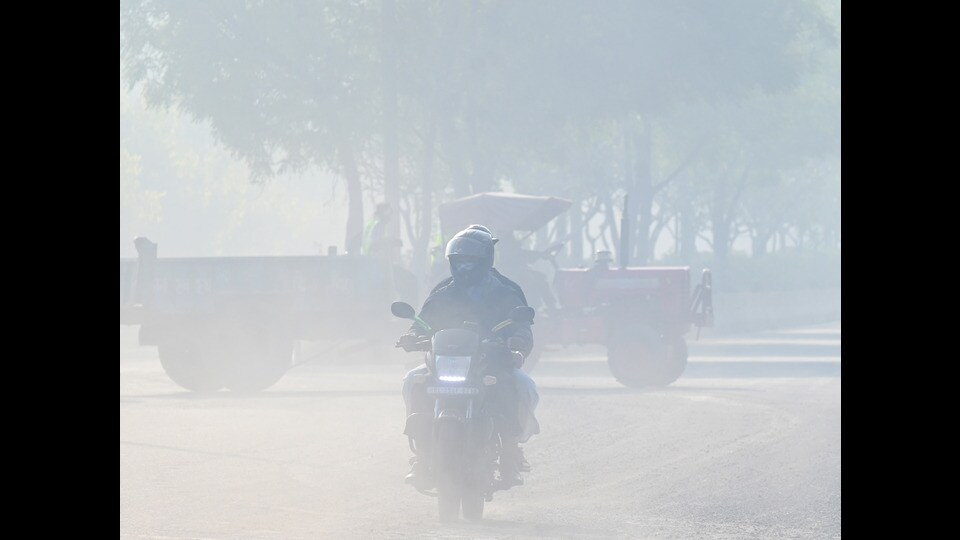
The approval came at the CAQM’s 28th full commission meeting held virtually on Friday. The commission also reviewed measures related to expanding air quality monitoring and plantation targets.
The directions include banning the registration of new petrol, diesel, or CNG three-wheelers in Delhi-NCR starting next year. The CAQM mandated the phased registration of only electric three-wheelers, starting in Delhi on January 1, 2027, followed by Gurugram, Faridabad, Sonipat, Ghaziabad and Gautam Buddha Nagar starting on January 1, 2028. The directions will apply to remaining NCR districts starting January 1, 2029.
While the measure has already been proposed in Delhi’s draft EV Policy, the commission has proposed it for NCR cities as well.
The CAQM also approved restricting fuel supply to vehicles without valid Pollution Under Control Certificates (PUCC) across the NCR from October 1, which is already mandated in Delhi with periodic enforcement drives. These will now be mandatory in NCR cities too.
According to the commission, the measure aims to control vehicular emissions contributing to PM2.5, NOx and carbon monoxide levels.
In the meeting, chaired by CAQM chairperson Rajesh Verma, the commission also approved implementing state-specific action plans to eliminate stubble burning in NCR states during the 2026 harvest season.
The commission reviewed a rise in wheat stubble burning incidents, noting that Punjab reported 8,986 incidents between April 1 and May 14 this year, compared to 6,474 during the corresponding period in 2025, while Haryana reported 3,290 incidents against 1,503 last year.
The panel also reviewed strengthening the Continuous Ambient Air Quality Monitoring Stations network across Delhi-NCR. It stated that 46 additional monitoring stations are proposed across the region, taking the total number to 157.
Additionally, the CAQM Resource Lab, a joint initiative of CAQM and the Raahgiri Foundation, launched the inaugural “Clean Air Dialogues” at the India International Centre on Friday. The monthly public discussion series aims to connect policymakers, experts and citizens on air pollution issues in NCR.
During the session, Verma said: “Air pollution in the NCR is a complex, multi-sectoral challenge. CAQM is committed to fostering a transparent, collaborative ecosystem where regulatory frameworks are strengthened by public understanding and scientific consensus.”
CAQM member secretary Tarun Kumar Pithode said, “Effective pollution mitigation requires rigorous ground-level execution. Our priority is to work closely with local agencies to identify bottlenecks, improve enforcement mechanisms and ensure that our regulatory frameworks yield tangible results for the public.”


Stay updated with all top Cities including, Bengaluru, Delhi, Mumbai and more across India. Stay informed on the latest happenings in World News along with Delhi Election 2025 and Delhi Election Result 2025 Live, New Delhi Election Result Live, Kalkaji Election Result Live at Hindustan Times.


