
 E-Paper



CAQM response to RTI: no study behind Delhi-NCR overage vehicle ban
Delhi alone has over 6.2 million ELVs, including 4.1 million two-wheelers. Across NCR districts, an estimated 4.4 million such vehicles are estimated to be operational.

 Prefer HTon Google


The Commission for Air Quality Management (CAQM) has acknowledged that it has not conducted any independent study or research on the pollution levels caused by so-called End-of-Life Vehicles (ELVs) vehicles -- diesel vehicles older than 10 years and petrol ones older than 15 years -- that have been banned in Delhi-NCR.
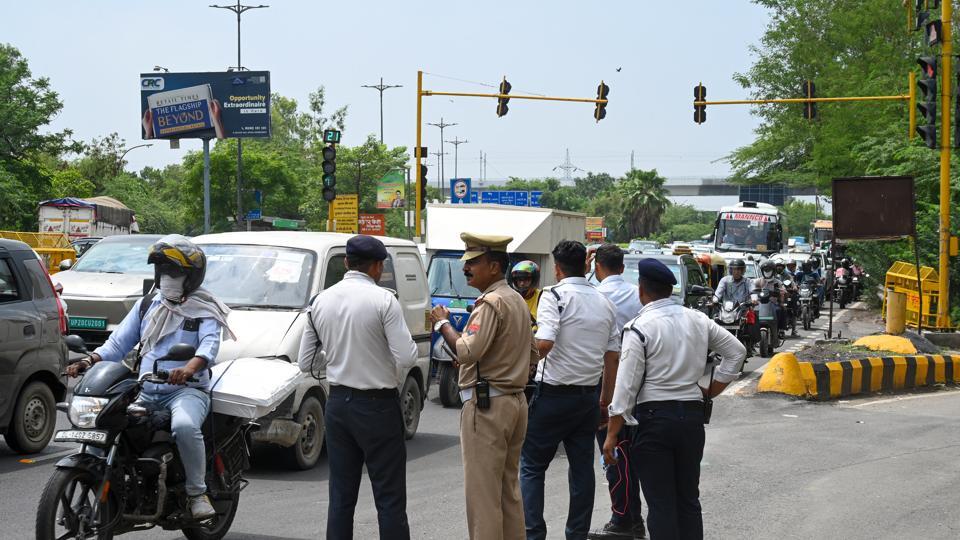
In response to a Right to Information (RTI) query filed by environmental activist Amit Gupta, CAQM stated it had not undertaken any such analysis.
To be sure, the body clarified that its policy was based on judicial directions, including the National Green Tribunal’s (NGT) ruling in Vardhman Kaushik vs Union of India and the Supreme Court’s order in MC Mehta vs Union of India.
The ban on ELVs applies irrespective of the state in which a vehicle is registered. While CAQM had earlier ordered a fuel sale ban for ELVs at Delhi fuel stations starting July 1, it later postponed the implementation until October 31 following a Delhi government request. The government cited “operational and infrastructural challenges” in enforcing the order on time.
Delhi alone has over 6.2 million ELVs, including 4.1 million two-wheelers. Across NCR districts, an estimated 4.4 million such vehicles are estimated to be operational.
CAQM’s phased rollout plan involved using Automated Number Plate Recognition (ANPR) cameras and the VAHAN database to identify banned vehicles, starting from November 1 in Delhi and five major NCR districts, and extending the system to the entire NCR by April 1 next year.
However, the Delhi government has reported issues with the ANPR system, including software errors, misaligned cameras, faulty sensors, and lack of integration with adjoining states’ databases.
Amit Gupta criticised the lack of planning and called for a holistic strategy to combat pollution. “The fight against pollution is not a one-day task. Vehicular emissions are just one part. We also need urgent action against dust, industrial pollution, and poor public transport. Even Delhi’s system is not robust, and the rest of NCR is far worse,” he said.
Both the Supreme Court and the NGT have previously criticised the delay in removing old, polluting vehicles from NCR roads. Meanwhile, the Delhi government has filed a plea in the Supreme Court to review the 2018 blanket ban on overage vehicles.


Stay updated with all top Cities including, Bengaluru, Delhi, Mumbai and more across India. Stay informed on the latest happenings in World News along with Delhi Election 2025 and Delhi Election Result 2025 Live, New Delhi Election Result Live, Kalkaji Election Result Live at Hindustan Times.


