
 E-Paper



Cell formed to coordinate efforts by govt bodies to clean Yamuna: Delhi CM Kejriwal
The cell will be headed by Delhi Jal Board CEO, and will have representatives from five concerned departments including Irrigation flood control Department, DJB, Delhi Pollution Control Committee (DPCC), DSIIDC and DUSIB


A week after announcing a 6-point action plan to clean the Yamuna river in Delhi, chief minister Arvind Kejriwal on Thursday said that the government has constituted a Yamuna Cleaning Cell (YCC) to improve co-ordination among the agencies involved cleaning the heavily polluted river.
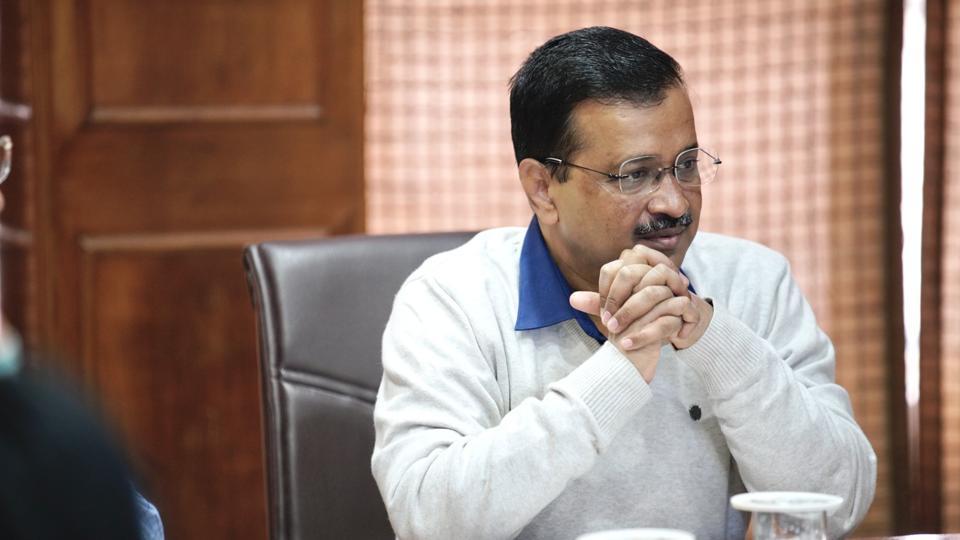
The cell will be headed by Delhi Jal Board CEO, and will have representatives from five concerned departments including Irrigation flood control Department, DJB, Delhi Pollution Control Committee (DPCC), DSIIDC and DUSIB.
“Yamuna Cleaning Cell will expedite the projects on cleaning the river and overcome administrative hurdles. Additionally, the Delhi Jal Board will take over the operations and maintenance of CETPs [common effluent treatment plants] to prevent industrial waste from falling into the Yamuna and drainage from JJ clusters will be diverted to STPs [sewage treatment plants] to eliminate untreated discharge in stormwater drains,” Kejriwal said.
Kejriwal said that a major hurdle in the way of Yamuna cleaning projects is the complex multiplicity of bodies involved. “We are creating a cell that will oversee the working of all the involved bodies. It will help us in identifying and delegating responsibility, and streamline our projects. For instance, if an issue is being faced because of the electroplating industries or some other polluting works, this cell will have to take care of that,” he added.
A government official said the chief minister held a review meeting over the management of wastewater from industrial areas and JJ clusters.
Officials say that the mandate of the cell will the monitoring and implementation of the Yamuna cleaning plan and action points announced by Kejriwal on 18th November that include — construction of new sewage treatment plants; upgradation of STP, laying of sewerage network in 1799 unauthorised colonies; desilting of trunk and peripheral sewer lines; Providing Sewer Connections in already notified areas; interceptor sewer project. Currently, there are about 675 unsewered JJ clusters from where wastewater enters the river. A DJB official said that there are 11 CETPs in Delhi which are managed by CETP societies and the water utility will take over their operations and maintenance. However, the process of taking over these facilities has not been elaborated yet.
An expert said that the decision to form a unified cell is a positive development, but it should be an empowered body. Jyoti Sharma, head of FORCE, a Delhi-based water conservation and sanitation organisation, said that theoretically it is a wonderful development for the river.
“Even in the past, when monitoring committees and cells have been made by court and the green tribunal, we have seen some progress on the ground. We should also involve local community groups and RWAs, which have direct link to river and the outfall points, in the oversight mechanism to ensure accountability in Yamuna cleaning projects,” Sharma said.
Stay updated with all top Cities including, Bengaluru, Delhi, Mumbai and more across India. Stay informed on the latest happenings in World News along with Delhi Election 2025 and Delhi Election Result 2025 Live, New Delhi Election Result Live, Kalkaji Election Result Live at Hindustan Times.


