
 E-Paper



Contact tracing must to nix monkeypox spread: Experts
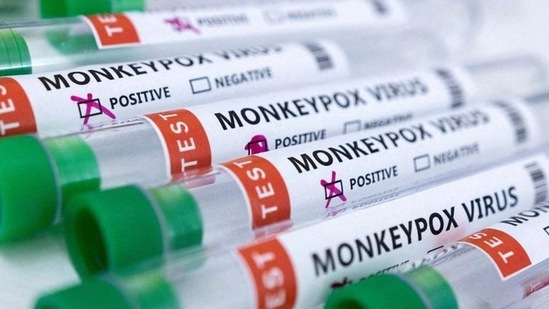
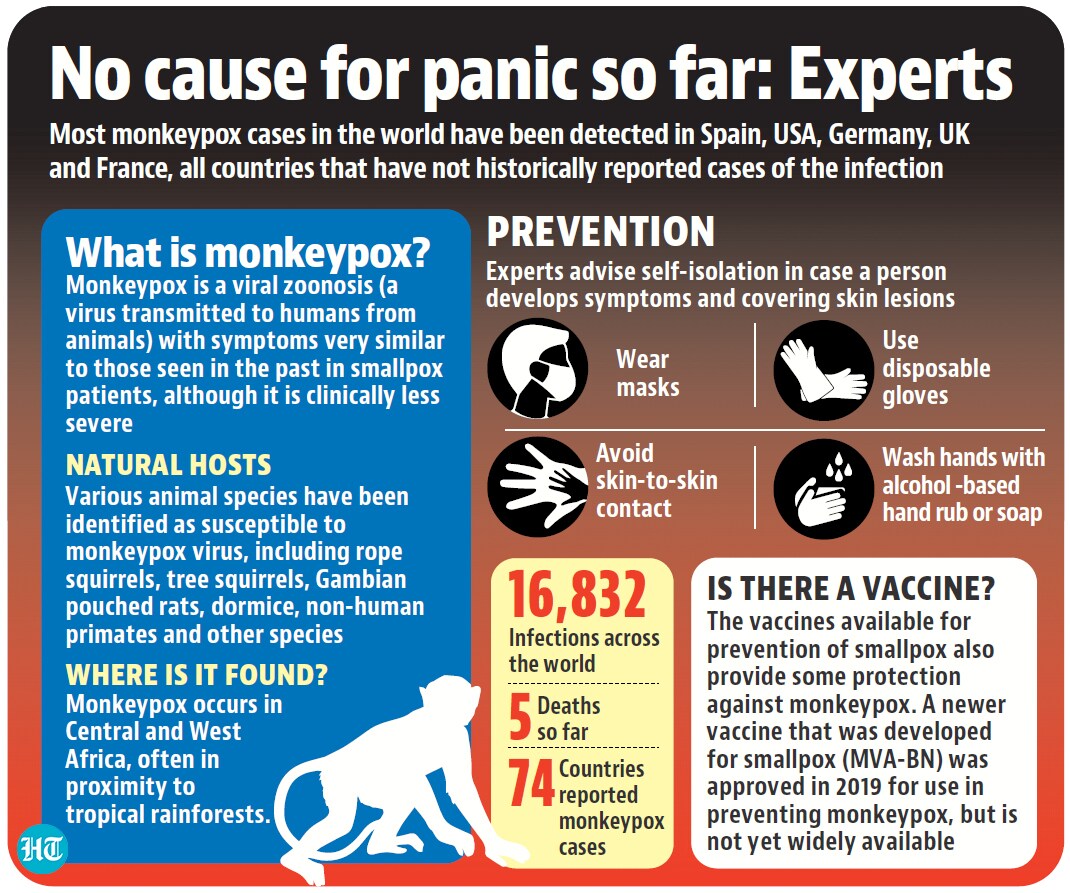
Most monkeypox cases have been detected in Spain, the United States, Germany, United Kingdom and France, all countries that have not historically reported cases of the infection.


With the Capital on Sunday reporting its first case of monkeypox after a 34-year-old man from west Delhi with no history of foreign travel history tested positive for the infection, health experts reiterated the importance of contact tracing, urged people who develop rashes to isolate themselves, even as they urged residents not to panic, adding that there was little cause for concern yet.
Dr Anurag Mahajan, vice-chairperson (critical care) at PSRI Hospital, said the patient’s lack of foreign travel history is a matter of concern and government authorities should track his contact history in detail to locate the source of infection.
“Till now all the monkeypox cases reported in India have a history of foreign travel, but in this case, the patient has not travelled to any of the countries where such cases have been detected. In such a case, there could be two possibilities, either he came in contact with a person who was probably asymptomatic or since this infection is zoonotic (disease transmitted from animals to humans), he could have been infected by a wild animal,” said Dr Mahajan.
While the west Delhi man does not have a recent history of foreign travel, he travelled to Himachal Pradesh before he started developing symptoms, people aware of the matter said.
Most monkeypox cases have been detected in Spain, the United States, Germany, United Kingdom and France, all countries that have not historically reported cases of the infection.
Some experts, like Dr Mahajan, also urged residents to wear masks in public spaces, arguing that there is evidence that shows the infection may be airborne in some circumstances.
Dr Suresh Kumar, the medical director of Lok Nayak Hospital, which is Delhi’s nodal hospital for monkeypox, said the man was admitted to the facility on Friday with fever and skin lesions, after which his samples were sent to Pune’s National Institute of Virology (NIV).
In a statement, the Union health ministry on Sunday said the patient’s close contacts have been identified and quarantined.
Dr Rajinder Kumar Singal, senior director and head of the department of internal medicine at BLK-Max Superspeciality Hospital, said that with the detection of the first monkeypox case in the Capital means it’s likely more such cases will come to light. He also said people must continue to wear masks, especially in public places, stay distant, and if a person starts showing signs of fever or rash, they should isolate themselves.
“Symptomatic treatment should be immediately started. People who are travelling or have a recent travel history are the most vulnerable, and so are their family members. Health care professionals are also at risk because of their close proximity with infected people,” Dr Singal said.
Monkeypox is a viral zoonosis (a virus transmitted to humans from animals) with symptoms similar to those seen in the past in smallpox patients. However, according to the World Health Organization (WHO), it is clinically less severe than smallpox. According to the latest guidelines issued by the Union health ministry, monkeypox can be transmitted through direct contact with bodily fluids or the lesion of the infected person. The total duration of this viral disease is around three to four weeks, and its symptoms include fever, body aches, headache and lymphadenopathy (enlarged lymph nodes of the neck and subsequently the patient will develop a rash on the face, palms, and hands and feet or legs).
To be sure, vaccines used to eradicate smallpox have delivered protection against monkeypox.
“Vaccination against smallpox was demonstrated through several observational studies to be about 85% effective in preventing monkeypox,” according to the WHO.
WHO on Saturday declared monkeypox a “public health emergency of international concern”. Till now, there have been over 16,000 cases reported from 75 countries in the world. In India, this is the fourth confirmed case of monkeypox, with the first three cases being reported from Kerala. However, this is the first case of locally transmitted infection as the patient does not have a history of travel.
Dr Jugal Kishore, head of the department of community medicine at Safdarjung Hospital, said young people are most vulnerable to monkeypox, since older populations would likely have been inoculated against smallpox in the 1970s.
Smallpox was eradicated from India in 1977.
“The older population who has received the vaccination for smallpox are slightly more protected, even though there are instances from western countries that even those who received smallpox vaccinations are being infected with monkeypox now. However, their symptoms might not be as severe as someone young who has not taken the vaccine. The isolation for a monkeypox patient should be around 20 days, till their scabbing is completely healed,” Dr Kishore said.


