E-Paper



Delhi air pollution: SC slams Delhi govt, Centre; orders emergent measures
While seeking a report on the countermeasures on Monday, the bench, which also included justices Dhananjaya Y Chandrachud and Surya Kant, also questioned the Delhi government over the steps they have taken to keep the children out of harm’s way when the schools have also opened.

 Prefer HTon Google


The Supreme Court on Saturday urged the Centre and the Delhi government to take “emergent measures”, including imposition of a lockdown in the national capital, to “immediately” control rising levels of air pollution as it also lamented that “bashing farmers” over stubble burning has become a fashion even though there are several other major contributors to the hazardous air quality.
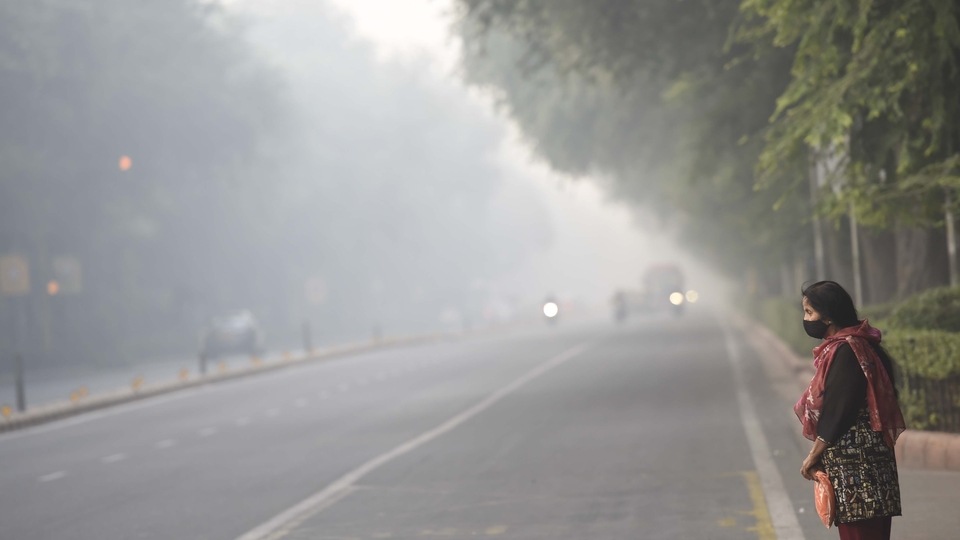
“We don’t want lengthy arguments or hearing but everyone can see how bad the situation is. Even inside houses, we are forced to wear masks. The situation is very serious...We have a burning situation. How do we control this? Tell us what are the immediate steps that can be taken,” a bench, headed by Chief Justice of India NV Ramana asked solicitor general Tushar Mehta, who appeared for the Union government.
While seeking a report on the countermeasures on Monday, the bench, which also included justices Dhananjaya Y Chandrachud and Surya Kant, also questioned the Delhi government over the steps they have taken to keep the children out of harm’s way when the schools have also opened.
“Look at problem. Schools have opened as the pandemic has subsided. At 7 in the morning, little children are on the streets, exposing themselves to this kind of pollution. We are witnessing children’s lungs getting exposed to such bad quality of air. And this has nothing to do with the central government. Has Delhi government responded to the situation? Have you said anything to the schools? What have you done?” the court asked senior counsel Rahul Mehra, who represented the city government.
Both the S-G and Mehra sought to point out that crop residue burning in the states adjoining Delhi is one of the chief contributors of the worsening air quality in the national capital region (NCR) in the pre-winter weeks but the bench dismissed their suggestion outrightly.
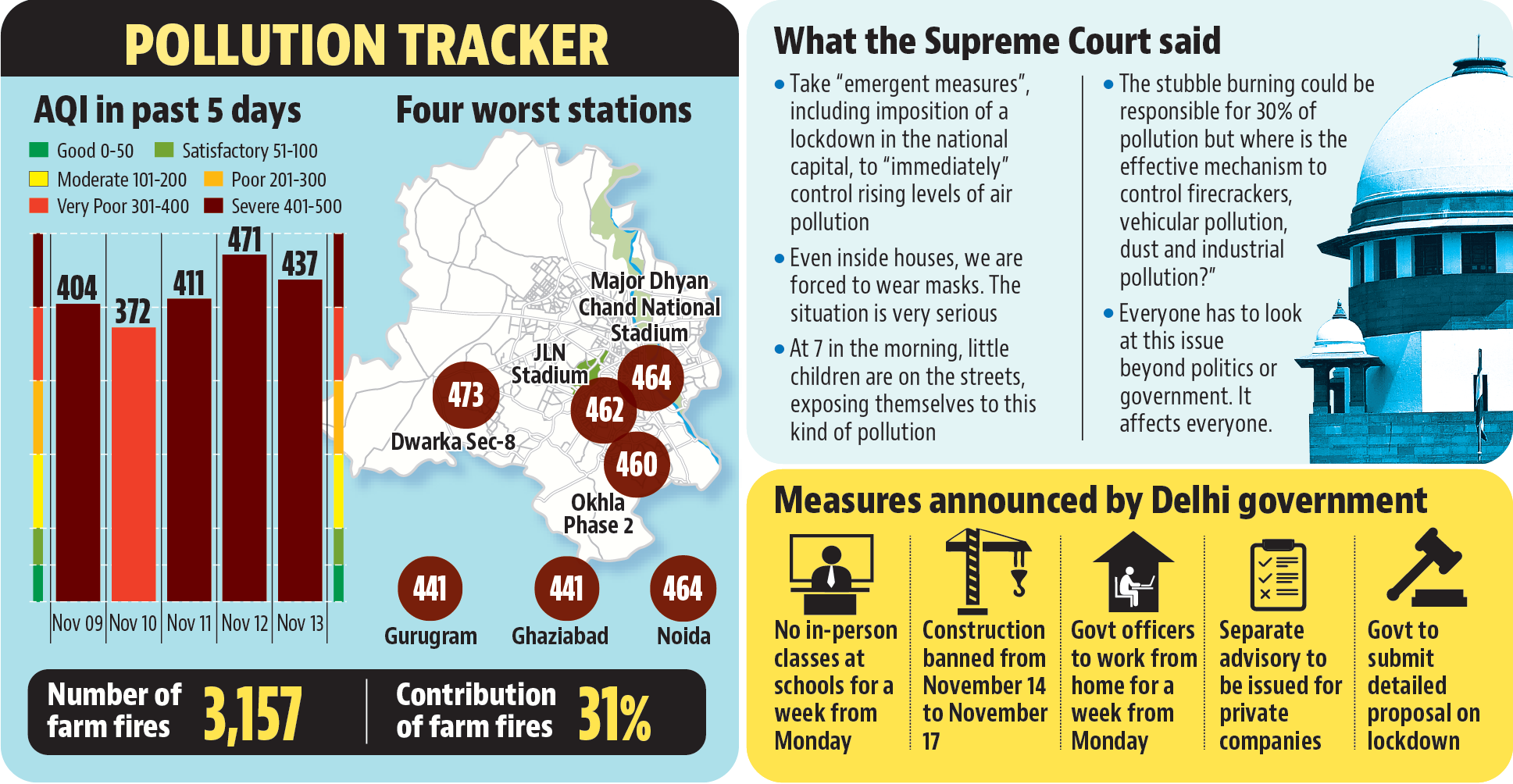
“You are projecting as if farmers are responsible for everything. The stubble burning could be responsible for 30% of pollution but where is the effective mechanism to control firecrackers, vehicular pollution, dust and industrial pollution?” the court asked Mehta, who clarified repeatedly that the Centre is not blaming farmers in any manner but is enumerating various issues that have led to the present situation.
As S-G added that the court’s remarks on Centre blaming farmers may pose difficulties, the bench replied: “For the sake of clarity, we want to say that we have nothing to do with governments or any political party. We will say that you said there are various reasons for this pollution...Everyone has to look at this issue beyond politics or government. It affects everyone. Take immediate urgent measures. Impose two days lockdown, if required. How will people live otherwise?”
When Delhi government’s counsel Mehra submitted that it is “probably” the stubble burning that has made the air quality index and PM10 and PM2.5 pollutants shoot up by several hundred points, the bench retorted: “What is this? Now, it has become a fashion to bash farmers, whether its Delhi government or someone else. You had imposed a ban on firecrackers in Delhi. But see what has been happening in the last 7-8 days. What are you doing? What are Delhi Police doing?”
Addressing the S-G and Mehra, the bench added: “It is an emergency situation and emergent measures are required. Various emergent measures are to be taken. This is not a time to conduct research on stubble burning etc. Why don’t you consider stopping vehicles? Sit with the Central government and see how you can bring down the pollution levels down in the next two or three days. Take some short-term urgent measures. First control Delhi which is in a very bad situation. Then we can look at some other states.”
Air pollution reached the season’s worst levels on Friday as the toxic smog that has persisted for over a week thickened and emissions breached “emergency” level thresholds that would have normally led to a host of curbs like a ban on construction work, the entry of heavy vehicles, and odd-even car use limits. This year has also seen the number of farm fires reaching a new high for this late in November with the enforcement of a ban on the practice collapsing.
Between November 1 and November 13 this year, Punjab and Haryana have recorded the most number of stubble fires since 2012, satellite data from the National Aeronautics and Space Administration (NASA) shows. According to the data accessed by HT from SUOMI VIIRS C2, FIRMS-NASA resource, between November 1 and November 13, the cumulative fire count reported from the two states was 57,263, exceeding 52,719 incidents recorded in 2016.
Meanwhile, the S-G told the bench that the Union government is convening a meeting with representatives of state governments of Delhi, Haryana, Punjab, Uttar Pradesh and Rajasthan on Saturday afternoon, and all the suggestions mooted by the court shall be considered during the deliberation. Mehta added that a report will be presented before the court on Monday when the case is heard next.
The bench was hearing a public interest litigation filed by a 17-year-old Delhi student, Aditya Dubey, who has alleged that authorities have failed to protect his fundamental right to clean air and health by not controlling air pollution in the NCR.
During the proceedings, the S-G referred to the measures taken by various authorities, including the commission for air quality management in NCR, to control stubble burning and added that there has been a spurt in farm fires in Punjab in the last 5-6 days which the state needs to control. Mehta also mentioned about the use of crop residue as a biomass in power plants and availability of 200,000 machines to manage stubble.
To this, the bench asked Mehta to give out details of where these machines are and how they are being used. It added: “The problem with the farmers is with incentivisation. Why will a farmer do this (burn crop residue) if he has avenues of being incentivised? You talked about machines. Can you tell us how may cooperative societies have been set up? How many machines are supplied? What’s the cost? What is the arrangement put in place to ensure stubble is transported from the farms? What is the economic arrangement? The problem is with the fine prints.”
Justice Surya Kant, at this point, underscored that the average land holding in states like Haryana and UP is less than 3 acres. “You cannot expect these farmers to purchase such machines. Why can’t Central government lift the stubble and take it to various points? I am a farmer. Honourable CJI is a farmer. We belong to these states. We know the issues.”
The court further asked Mehta: “This was a year of late monsoon. Farmers had a smaller number of days to clear their fields. Farmers were in an anxiety to sow kharif crops to take the benefit of the ensuing winter. Did you take any steps in the window of that 15 days to reach out to the farmers and take out stubble? It is good that the commission now has a policy but the problem is how are you implementing it. How did you ensure the stubble is actually removed and taken to the plants and (that) farmers have some economic benefits in this process? Give us some sample figures for some sample districts.”
Mehta replied that he would need a couple of days to revert with all the specific queries of the bench, requesting that the case could be taken up on Monday.
The bench accepted Mehta’s suggestions. It, however, added: “Impose some strict measures. Improve the situation in next two or three days. Why don’t you ask Punjab and Haryana to stop stubble burning completely for the next three days. Let the levels come down. It is a problem for all. We will adjourn it to Monday. In the meantime, you take some immediate steps. The ultimate point is that pollution levels should come down.”
Hours later, the Delhi government announced a ban on construction activities between November 14 and 17, ordered schools to close in-person classes for a week and asked government office staff to work from home for a week.
“This concerns our life, and health. We are being forced to take these tough measures, I hope the residents of Delhi will understand, and cooperate with us,” Delhi chief minister Arvind Kejriwal said while announcing the measures after chairing an emergency meeting on the unprecedented spike in air pollution.
About the Supreme Court’s suggestion to impose two-day lockdown, Kejriwal said no decision was taken on it, but the government will prepare a detailed proposal and put it before the apex court.