
 E-Paper



Delhi floods: LG chairs review meeting, evacuees to be shifted to schools
Lieutenant governor VK Saxena, who is Delhi Disaster Management Authority’s ex-officio chairman, said sufficient food, drinking water, medical aid, and mobile toilets will be ensured at relief camps

 Prefer HTon Google


Lieutenant governor (LG) VK Saxena on Thursday chaired a Delhi Disaster Management Authority (DDMA) meeting to review the flood situation in Delhi as the authorities shut educational institutes, planned to shift evacuees to school buildings, and rationalise water supply due to the closure of treatment plants.
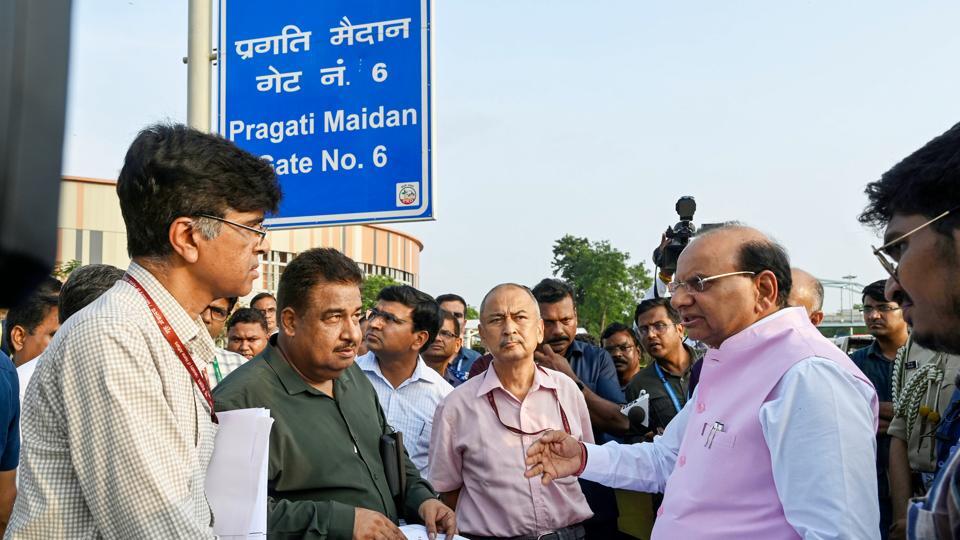
Saxena, who is DDMA’s ex-officio chairman, said sufficient food, drinking water, medical aid, and mobile toilets will be ensured at relief camps.
An official in the LG secretariat said schools, colleges, universities, and non-essential government offices will remain closed until Sunday while private establishments have been advised to work from home. “All the inter-state buses coming to ISBT [inter-state bus terminal] Kashmere Gate will be stopped at the Singhu Border...DTC [Delhi Transport Corporation] buses will be provided to ferry passengers from there,” said the official.
He added additional personnel will be deployed for traffic management in the affected areas. “Only heavy vehicles carrying essential goods will be allowed to enter Delhi. Businesses and commercial establishments in and around Kashmere Gate have been asked to close until the situation improves.”
Precautionary relief and preventive measures will be undertaken in susceptible areas such as Sonia Vihar, Mukherjee Nagar, and Haqeeqat Nagar.
The official said additional teams have been deployed for relief and rescue measures at sites prone to flooding apart from the 12 from the National Disaster Response Force. “District magistrates and deputy police commissioners have been asked to ensure action accordingly. All control rooms have been asked to work in coordination to address any emergent situation. Health department officials have been told to remain alert for any eventuality and ensure preparedness to handle the situation once the water recedes.”


