
 E-Paper



A problem of walking the talk
The actions of RSS affiliates & the BJP don’t reflect the signals from Mohan Bhagwat’s Gen Z outreach

 Prefer HTon Google


There are three interesting aspects of RSS chief Mohan Bhagwat’s mega outreach to young people this week. The first is the timing and background of the 2,000 student-strong event — weeks after tens of thousands of students pushed out the Union education minister and aired long-simmering grievances about jobs and education. Many belonged to Gen Z — born between 1997 and 2012 — which will become the largest cohort of the Indian population ahead of the 2029 general elections. Without falling into easy political stereotypes of left- or right-wing — after all, Gen Z is not only the reel-making, English-speaking urban middle-class, but also the Kanwariyas and Shakha dwellers, the delivery executives and small-town strivers grinding it out in test-prep centres — it is clear that a new culture of communication and conversation is taking root. Gen-Z’s priorities and concerns differ from those who came before it, shaped not only by the political atmosphere but also by the climate crisis, the gloomy economic outlook and the global turmoil. As one of the longest serving RSS chiefs, Bhagwat has clearly recognised that he needs to seed the ideals of the RSS in a new generation and dispel notions that it is an outdated, conservative body out of step with modern lives.
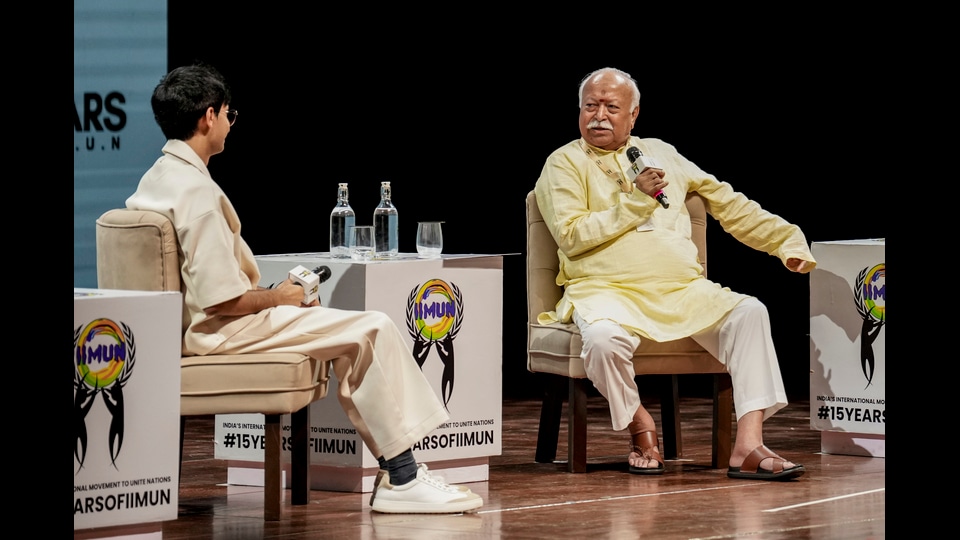
Two, Bhagwat’s comments on the youth, education, LGBTQIA+ rights and reservations underline just how much the RSS has moved on core ideological issues — at least in speech. Forged as a vehicle for orthodox Hindu revivalism, its worldview was once anchored in traditional hierarchies, using the chimera of social cohesion to further cultural conservatism; it viewed caste-based reservations, civil rights, and “modern” ideas of gender and sexuality with suspicion. First on caste (by assiduously bringing Dalit and tribal people within its fold, that too from a young age) and now on social relations and protests, the RSS has attempted to move with the times. No doubt, democratic politics, electoral calculus, and shifting societal values have compelled the recalibration. Under Bhagwat, the RSS has projected a more inclusive front — whether it be saying the youth have a right to protest, their concerns are genuine, acknowledging problems in the education system, or that LGBTQIA+ rights, including that of companionship, need consideration.
Three, unfortunately, the words and signals from Bhagwat’s outreach are not adequately reflected in the actions of either RSS affiliates or the BJP. Ministers and leaders of the ruling party vilified the protesters, administrations under their control harassed and detained agitators, and right-wing activists continue to hound participants. Many right-wing outfits not only blame reservations for all of India’s ills, but also are openly casteist. The government openly opposed same-sex unions in the Supreme Court, and a committee formed to look at civil rights for queer people has met only twice in three years, according to data presented in Parliament. HT has reported how examination reforms are slow to be implemented even as wider curricular changes remain bogged down in polarising ideological issues while doing little to improve the quality of education imparted. And, there appears to be little political support behind increasing budgetary spending on education.
Bhagwat attempted to strike a pose that was modern yet nationalist, pragmatic yet balanced. But putting in the hard yards will require the ruling coalition to have many such conversations internally, making sure that the message percolates down and catalyses changes in mindsets and actions. As Gen Z says, clock it.


