
 E-Paper



DJB, MCD blame each other over lack of improvement in Kushak drain
The two bodies were responding to the NGT’s order issued last week, wherein both the DJB and the MCD were asked why interim compensation should not be imposed on either... The NGT had said despite both bodies setting a timeline of March 31, it was still as polluted as ever


In separate submissions to the National Green Tribunal (NGT), the Municipal Corporation of Delhi (MCD) and the Delhi Jal Board (DJB) blamed each other for a lack of improvement in the water quality of south Delhi’s Kushak drain.
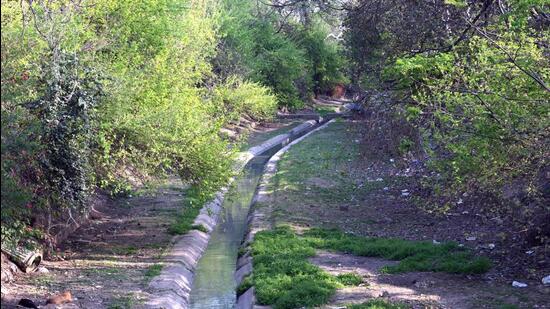
The MCD said it was regularly undertaking desilting drives to clean up the drain, but an improvement in its quality, including eradicating the foul smell, would only stop once the Delhi Jal Board (DJB) is able to stop sewage from flowing into the drain. The DJB, in a separate submission, said it was the MCD’s failure to check expanding unauthorised colonies that was leading to increased sewage flow into the drain. It also said that as the MCD had covered the Kushak drain along its course, trapping toxic gases and giving out a foul smell.
The two bodies were responding to the NGT’s order issued last week, wherein both the DJB and the MCD were asked why interim compensation should not be imposed on either of the two bodies for failing to perform their duties. The NGT had said despite both bodies setting a timeline of March 31, it was still as polluted as ever.
The MCD, in its submission on April 12, said it was carrying desilting of all drains, including the Kushak drain in two phases, the first from January 15 and the second phase from October 1.
“It is pertinent to mention that desilting of drains is a continuous process and as per policy of the department, the desilting activity is carried throughout the year. It is further submitted that the department maintained the flow of water in the drain regularly and checked the quantum of silt from time to time. The foul smell or gases emitting from the flowing sewage water cannot be stopped until the DJB traps the entire sewage water from the upstream catchment areas,” the MCD said.
The DJB, in its submission dated April 15, hit back at the MCD, listing three primary causes behind pollution in the drain.
“The discharge of sewage from unauthorised colonies such as Chhatarpur, Mehrauli around Saidulajab, Devli, Khanpur, Sangam Vihar and Dakshinpuri Extension into the stormwater drain, the unauthorised construction for which the MCD could not control... Secondly, improper desilting of drains due to covering of the drain by the MCD. The desilting of the drain is the sole responsibility of the MCD. Moreover, the MCD has constructed concrete chambers which are interconnected in the drain in question, therefore, cleaning or desilting has become difficult,” the DJB said.
The DJB said that sewage was entering the drain from 11 points across south Delhi, of which the flow at seven points had been trapped and diverted to sewage treatment plants (STPs).
In May 2023, the NGT formed a joint committee to look into grievances raised by residents living in south Delhi, including GK-1, stating toxic gases were being released and a foul smell was being emanated through the 6.5-km stormwater drain, which flows through several neighbourhoods.

Stay updated with all top Cities including, Bengaluru, Delhi, Mumbai and more across India. Stay informed on the latest happenings in World News along with Delhi Election 2025 and Delhi Election Result 2025 Live, New Delhi Election Result Live, Kalkaji Election Result Live at Hindustan Times.


