
 E-Paper



Forest dept to gauge level of groundwater in Delhi’s Asola park
Delhi’s forest and wildlife department will soon launch a three-year study to assess the possible increase in the groundwater table at the Asola Bhati Wildlife Sanctuary --the result of several water conservation measures adopted since 2020--officials said on Wednesday


Delhi’s forest and wildlife department will soon launch a three-year study to assess the possible increase in the groundwater table at the Asola Bhati Wildlife Sanctuary --the result of several water conservation measures adopted since 2020--officials said on Wednesday.
They said the study will assess the change in the groundwater table both pre- and post-monsoon.
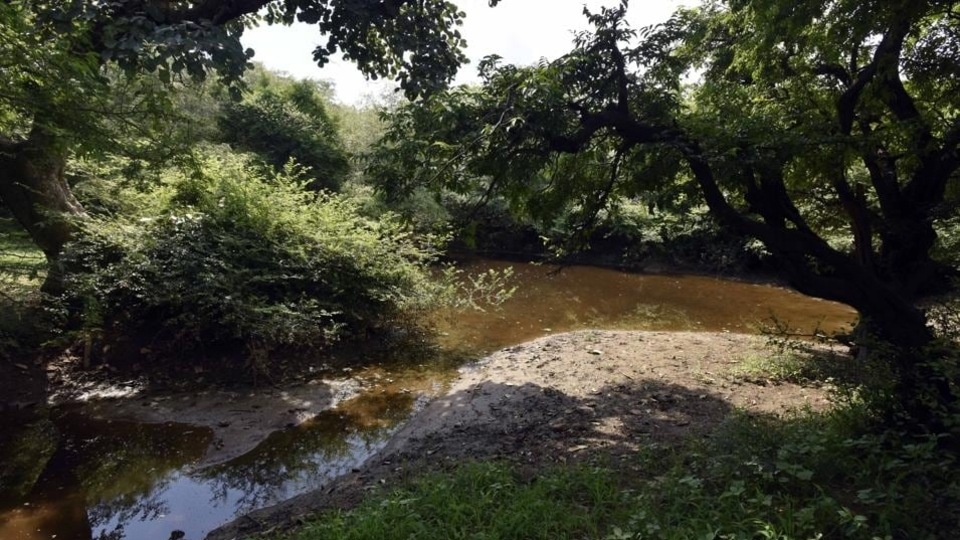
Over the last two years, over 150 check dams have been constructed and four natural water bodies (around half-acre each) have been created by diverting seasonal run-off water within the sanctuary, officials said.
“We are looking to assess the impact of the water conservation measures and will soon begin studying the possible change in water table. For this, we need a baseline to which we can compare the change in water level each year. We will assess the level before and after the monsoon,” said a senior forest official.
According to the Central Ground Water Board (CGWB), parts of south and southwest Delhi are the most impacted by groundwater extraction and are “over-exploited” – meaning more groundwater is extracted than it is recharged. CGWB data from 2019-20 shows the average readings for Asola through May to January were between 51 and 52 metres below ground level (mbgl), while at the Bhatti mines, the readings were between 53 and 54 mbgl. The average readings for the south district were the worst for all of Delhi, with the groundwater table recorded at an average depth of 34.2 mbgl.
Sohail Madan, centre manager, Bombay Natural History Society (BNHS) said they are constructing 50 more dams in the area, which will also allow water to accumulate and act as watering holes for the wildlife inside the sanctuary.
“The check dams are being created after identifying the flow of seasonal water. We have also diverted some of this water to create four water bodies. We created bio-dams by planting native shrubs and grasses, which ensure the run-off water slows down and there is water retention,” he said, adding there was a visible increase in the wildlife inside the sanctuary post adoption of these conservation measures.
Delhi’s lieutenant governor (LG) VK Saxena visited the Asola Bhatti mine area on June 1, directing officials to enhance the water table recharge in the area by linking the deep pits of the mines with localities nearby that frequently face waterlogging problems. He said doing so will help develop these pits as natural water bodies, which could also serve as watering holes for the fauna in the area, besides recharging the groundwater table.

Stay updated with all top Cities including, Bengaluru, Delhi, Mumbai and more across India. Stay informed on the latest happenings in World News along with Delhi Election 2025 and Delhi Election Result 2025 Live, New Delhi Election Result Live, Kalkaji Election Result Live at Hindustan Times.


