E-Paper



Green grass pavers: Beginning a grassroots revolution in colonies
A green activist from south Delhi’s Sarvodaya Enclave asked people in her neighbourhood in 2012 to replace concrete tiles outside their houses with green grass-pavers – tiles with space to grow grass in between which allows water to percolate down to the soil.

 Prefer HTon Google


As Delhi witnesses short, intense showers, streets across the capital not only face waterlogging, but the rainwater which could have otherwise been absorbed by the soil, gushes down the slope of heavily concretised ramps outside houses and ends up in drains. To change this, a green activist from south Delhi’s Sarvodaya Enclave asked people in her neighbourhood in 2012 to replace concrete tiles outside their houses with green grass-pavers – tiles with space to grow grass in between which allows water to percolate down to the soil.
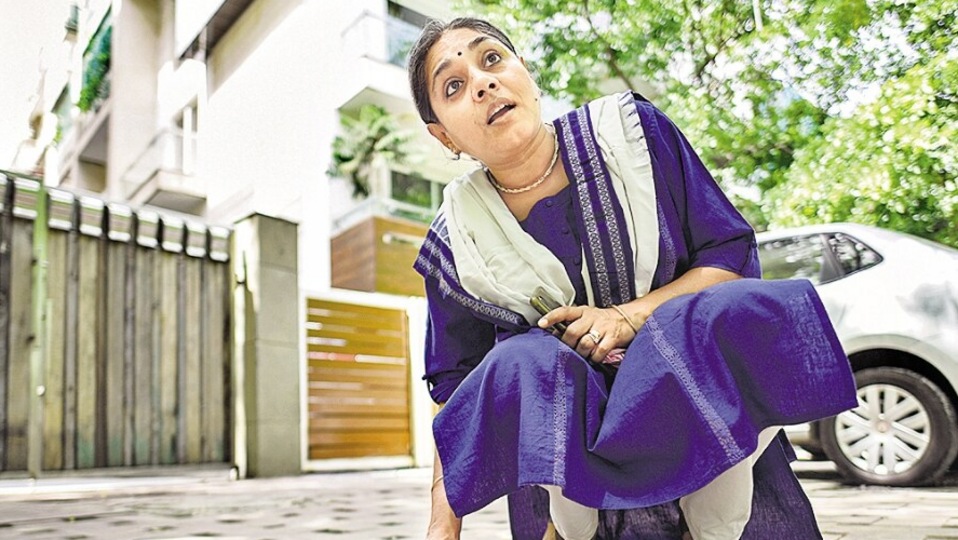
A decade later, almost 90% of the colony has replaced concrete tiles with grass-pavers. Padmavati Dwivedi, the 48-year-old who started this movement in the neighbourhood, says the transition to these tiles was not easy and there was considerable resistance initially. Dwivedi, who also carried out a tree census in her neighbourhood in 2012, says the idea came to her when she visited her child’s school, where the grass pavers were used.
“Also while carrying out a tree census, we saw so many trees had been concretised, but I realised deconcretising them isn’t enough. We need to remove much more concrete from our residential spaces... That is when we decided to give these grass pavers a chance,” she says.
Shefali Mittal, secretary of the Sarvodaya Enclave RWA, says local testing carried out recently has shown an increase in the groundwater table over the last few years.