
 E-Paper



Heritage cell to survey villages to document culture, oral history
Delhi's MCD is documenting oral histories and traditions of 100 villages, focusing on customs and stories from elders to preserve cultural heritage.

 Prefer HTon Google


New Delhi: A five-member survey team from the Municipal Corporation of Delhi’s heritage cell has launched a project to document the oral histories and traditions, such as birth and marriage customs and local bhajans, of Delhi’s 100 villages, officials said on Monday.
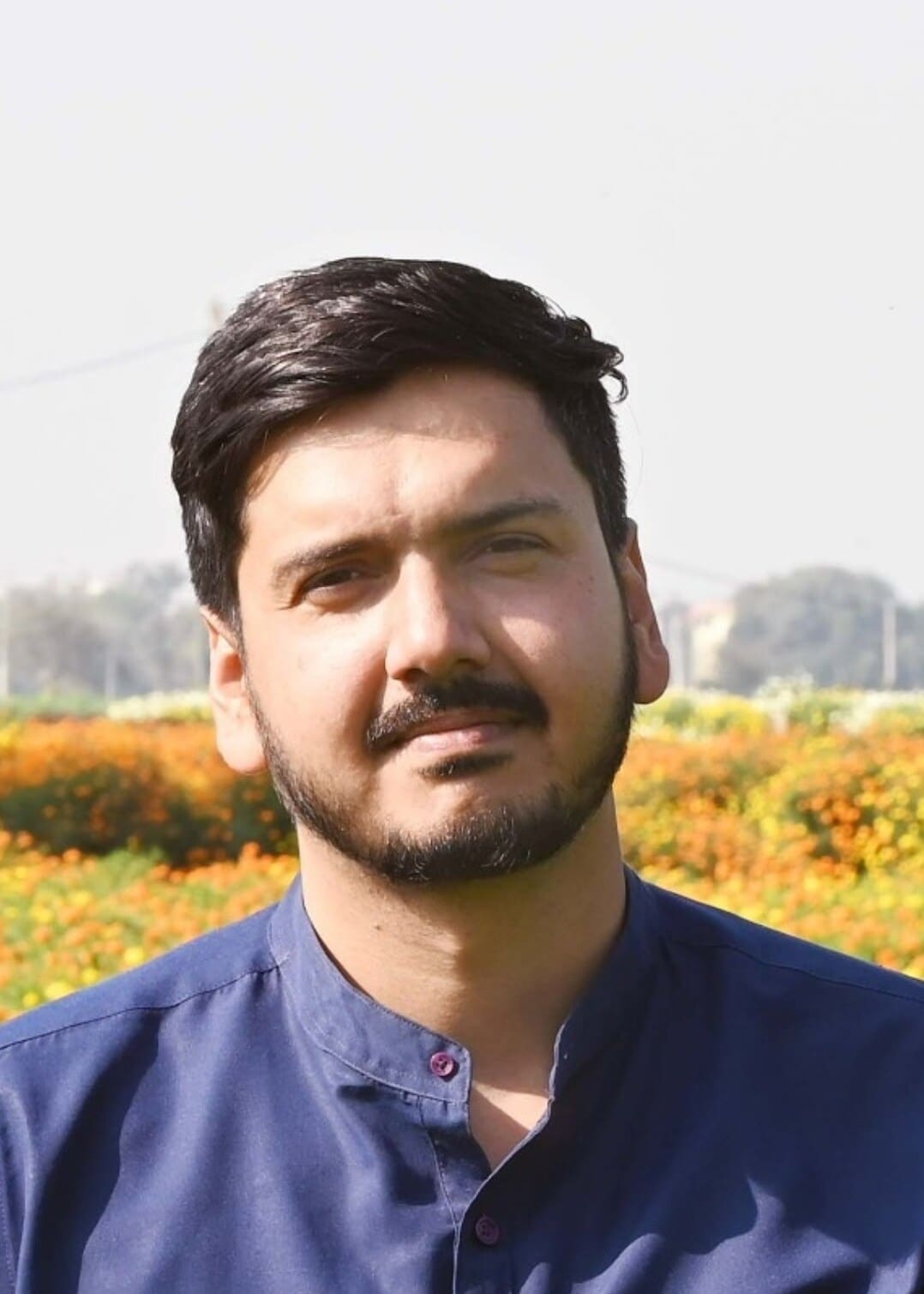
The officials added that 25 villages were shortlisted for the first phase of the initiative. Among the shortlisted villages is Jharoda Kalan, a small rural settlement on the Delhi-Haryana border between Najafgarh and Bahadurgarh. “The elders of the village told us that the village was named after a woman named Jhado, from Lowa Kalan village in Haryana. She was allocated a large tract of land, and the village considers her to be the grandmother of the community and derives its identity from her,” said 37-year-old Umesh Kumar, a heritage research assistant with the Municipal Corporation of Delhi (MCD).
The remote village also hosts the centuries-old Baba Haridas temple, where an annual fair is still organised.
MCD officials said oral histories, temples, monuments, and origin stories are being documented, and the civic body will compile and also feature it in the “municipal museum” project.
The list of 25 villages shortlisted for the project includes Begumpur, Chirag Dilli, Mehrauli, Hauz Khas, Isapur, Budhpur, Munirka, Dhansa, Nangli, Palam, Jaunti, Nizamuddin, Rani Khera, Bawana, Narela, Wazirabad, Chandrawal, Khera Dabar, among others.
Kumar said the project aims to preserve the intangible heritage of the villages of Delhi. “The villages are rapidly modernising, and these stories are slowly fading away. Our focus is on the elderly people, and we try to visit a village 6-7 times who are able to tell the stories passed on to them over generations. Village elders sometimes narrate stories for 2-3 hours,” he added.
The team has so far covered Mehrauli, Isapur, and Jharoda, while visits are going on in Dhansa. From audio recordings of the interviews, video recordings of bhajans to old pictures, the team collects material over a week and then brings it back to Town Hall in Chandni Chowk for inventorisation.
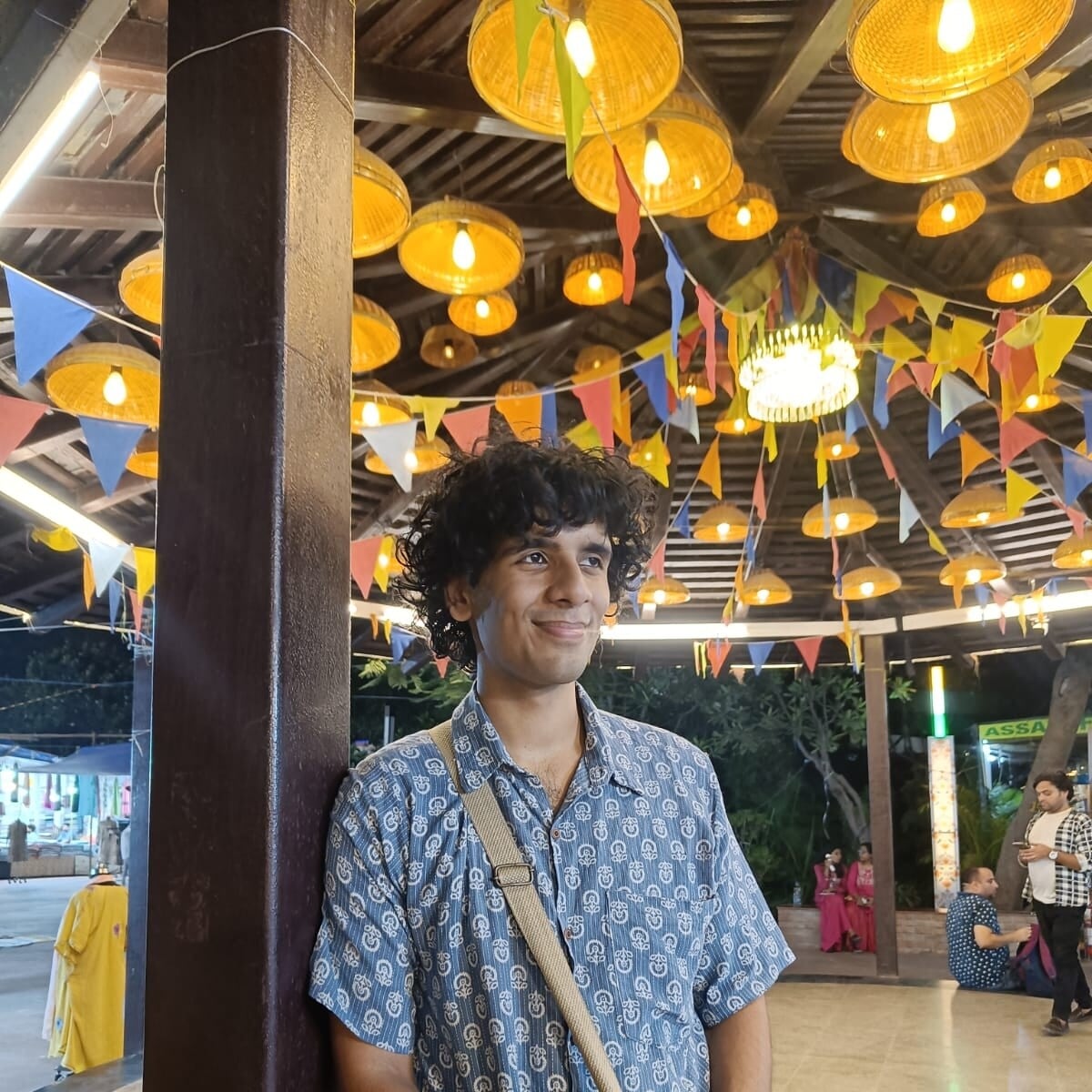
Aqdas Musharraf, HRA, who has been working with the heritage cell for the last two years, said the team also has a standard questionnaire which covers customs and traditions which were followed at the time of birth, death, marriage or other community events. “Sometimes the information is also contradictory. For instance, in Isapur, the old pradhan and new pradhan had different tales. Some of the documentation also pertains to the legends prevalent in that village,” he added.
The effort to document the villages of Delhi is also being undertaken by citizens. Gagandeep Singh Khadar, co-founder and curator of Dilli Dehat, a project trying to create an online archive of Delhi’s villages, welcomed the decision but stated that the MCD should be careful not to view the villages in isolation from their urban surroundings, and not restrict themselves to the “red line” boundary created during the colonial period to demarcate village areas.
“If we take Pillanji village, for instance, we see that it is a 600-year-old locality next to Sarojini Nagar, which is less than a 100 years old, but much more developed than the village, despite the village having a bigger identity historically. The MCD should look at the resources that were taken away from the village and its history,” he said.
He added that the Dill Dehat team’s process of archiving villages includes seeing how they are impacted by policies. “When urbanisation occurs, and the village and gram panchayats are dissolved during the transfer of power to the MCD, simple things such as wells are no longer maintained, as there is no rule of law about the same. And because villagers no longer have the panchayat, there is no way for negotiation or bargaining of power to happen.”
Khadar stated that the decision was good overall and termed it as an extension of subaltern history. “From the 1990s to 2000s, history was mainly about the larger events. This is a good step in the direction of recording the history of people who have been here for a long time. Many urban people are curious about rural life but have no way to enquire about the same. This project will help connect people from both spheres.”

Stay updated with all top Cities including, Bengaluru, Delhi, Mumbai and more across India. Stay informed on the latest happenings in World News along with Delhi Election 2025 and Delhi Election Result 2025 Live, New Delhi Election Result Live, Kalkaji Election Result Live at Hindustan Times.


