E-Paper



MCD plans mosquito-free G20 meet at Delhi’s Pragati Maidan
A senior municipal official said that the area around the summit venue has been divided into four concentric zones for breeding control

 Prefer HTon Google


With the Pragati Maidan complex expected to host the key G20 summit meetings in September, the Municipal Corporation of Delhi (MCD) has drawn up a zone-wise action plan for controlling any mosquito breeding around the main venue.
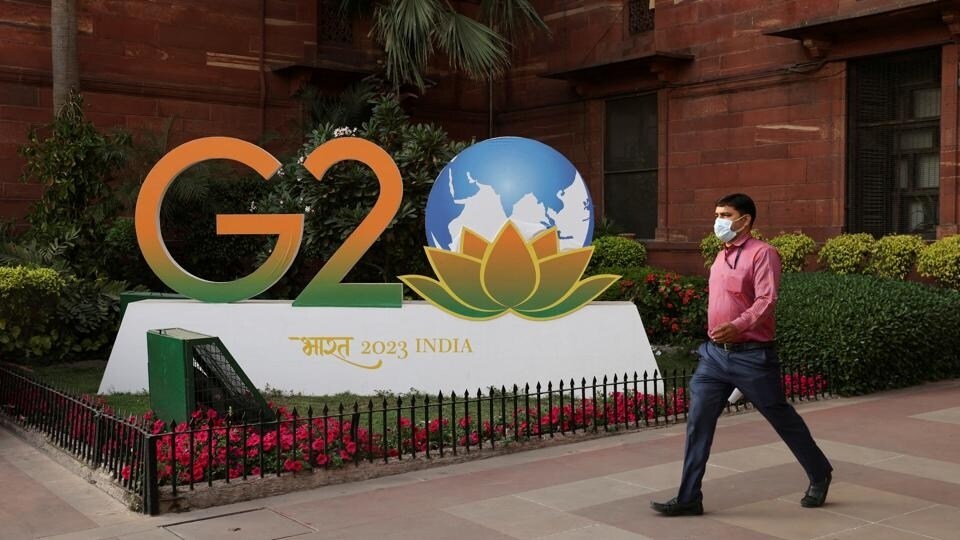
The public health department of the MCD has been directed to enforce a separate graded action plan for the region around the main G20 summit venue in Pragati Maidan. A senior municipal official said that the area around the summit venue has been divided into four concentric zones for breeding control while weekly checkup of the drain in the vicinity is to be carried out.
A core team has been formed with two supervisors and an entomologist, headed by the deputy health officer. Ten domestic breeding checkers (DBCs) and field workers will be working in the central area to control the mosquito breeding near the venue and the entomologist is routinely monitoring the mosquito density on a weekly basis, the official added.
Delhi is expected to host the bulk of the G20 related meetings between September 3 and 8.
The official municipal data on detection of mosquito breeding shows that the weekly count of mosquito larva detection peaks between 32nd and 38th week September-October of the year.
Another municipal official said that duties have been assigned to the field workers in each of the concentric zones around the India Trade Promotion Organisation (ITPO) complex to prevent growth at the breeding level.
Instead of focusing on the control of adult mosquitoes using fogging, we are trying to curb the rise in mosquito density at the larvae level. The drain near the Supreme Court is being tracked on a weekly basis. Since the ITPO complex lies on the periphery of the NDMC jurisdiction, we will need more coordination with the council’s public health department to control mosquito breeding in Purana Quila road region, the second official added.
According to the MCD action plan, the entomological lab will be made operational during the monsoon to carry out insecticidal sensitivity tests randomly and the entomologist will send live samples of mosquitoes for detection of dengue and chikungunya virus.
In the overall plan to control mosquito density around G-20 meeting venues, monuments, hotels, markets and other places of gathering of delegates, MCD plans to deploy drone-based vector surveillance and concurrent anti-larval spray in the drains to prevent the breeding of mosquito larva. We will ensure use of insecticide in rotation to avoid resistance in mosquitoes and larvae,” the official added.
HT reached out to MCD which confirmed that an action plan is in place but did not share the finer details.