
 E-Paper



89 people succumb to black fungus in Delhi: Health minister
Mucormycosis is a fungal infection that usually affects the mouth, nose, and eyes, and may then spread to the brain.

 Prefer HTon Google


Delhi has a total of 1,044 cases of Mucormycosis, also known as black fungus, as of Thursday morning, news agency ANI reported quoting health minister Satyendra Jain. So far, 92 people have been recovered from the fungal infection prevailing in Covid-19 patients, while 89 others succumbed to the disease.
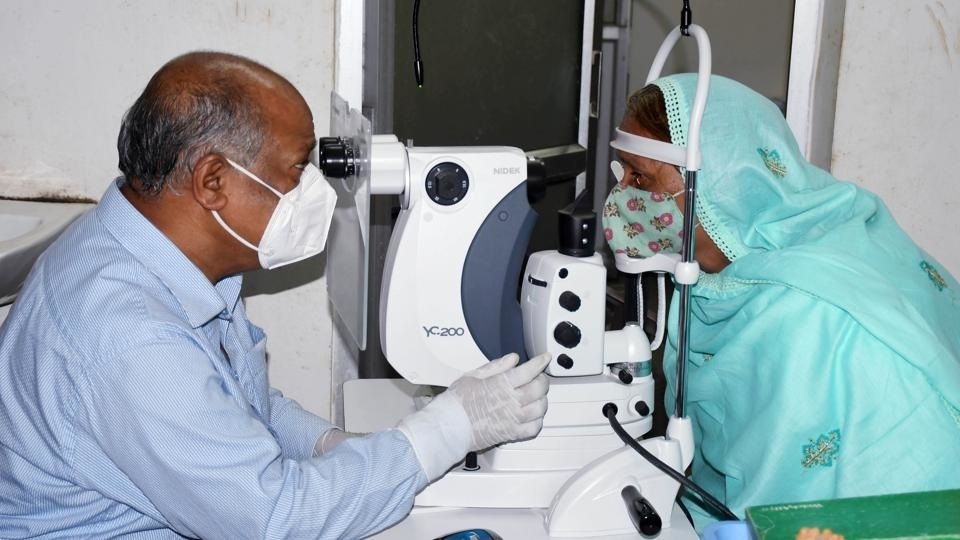
Mucormycosis is a fungal infection that usually affects the mouth, nose, and eyes, and may then spread to the brain. With the rise in Covid-19 cases during the second wave, the Mucormycosis case also saw a rapid rise in the infection, adding to the challenges of the health care system.
However, with the dip in the overall nationwide Covid-19 tally, cases of black fungus also seem to be falling.
Mucormycosis is caused by exposure to mucor mold, which is commonly found in soil, air and even in the nose and mucus of humans. It spreads through the respiratory tract and erodes facial structures. Sometimes, doctors have to surgically remove the eye to stop the infection from reaching the brain.
Also Read | First case of Black fungus detected in children from Karnataka; condition critical
The infection has a high mortality rate, however, it is not contagious. Uncontrollable diabetes and excessive use of steroids during the Covid-19 treatment are some of the leading causes of black fungus.
The recovery of patients has been hit by the severe shortage of Amphotericin-B, a key drug being used to treat patients with black fungus. Earlier the government declared the infection an epidemic and made it mandatory for state governments to report the cases to the Centre.
So far, the Centre has taken control of the medicine and has been allocating based on the number of cases reported in each state or union territory.
As of Tuesday, Delhi has received only 4,670 vials of the drug; each patient needs 50 vials of the medicine per week on average.
The early signs of the disease include extreme headache, facial swelling, facial deformity, formation of black crust around the nose area and nasal blockage.


