
 E-Paper



SC stays NGT’s ₹50.4cr fine on MCD and DJB for contaminating Yamuna
In the 2024 ruling, NGT had directed DJB and MCD to deposit ₹25.22 crore each with the Central Pollution Control Board (CPCB) within two months.


The Supreme Court on Friday stayed a National Green Tribunal (NGT) order that imposed a total environmental compensation of ₹50.44 crore on the Delhi Jal Board (DJB) and the Municipal Corporation of Delhi (MCD) for failing to prevent pollution in stormwater drains, which ultimately contaminates the Yamuna.
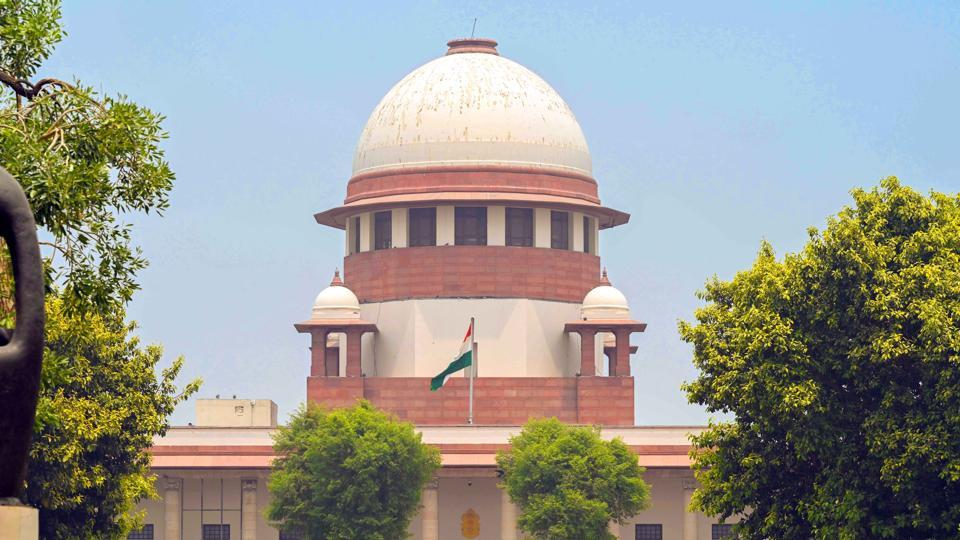
A bench led by Chief Justice of India Bhushan R Gavai, along with justices K Vinod Chandran and NV Anjaria, issued notices on appeals filed by both DJB and MCD and paused enforcement of the NGT’s November 2024 order.
Appearing for DJB, additional solicitor general SV Raju urged the court to suspend the penalty, arguing that the tribunal’s decision placed a substantial financial burden on public bodies even while questions of liability and compliance remained unresolved.
In the 2024 ruling, NGT had directed DJB and MCD to deposit ₹25.22 crore each with the Central Pollution Control Board (CPCB) within two months. It had found DJB responsible for allowing untreated sewage and industrial effluents to enter stormwater drains due to its failure to maintain separate pipelines for sewage and rainwater.
“This is a failure of discharge of statutory function on the part of DJB… for such failure undoubtedly, DJB is responsible,” NGT had stated, adding that the raw sewage contributed to significant pollution before merging with the Yamuna.
MCD, meanwhile, was castigated for covering portions of stormwater drains, including the Kushak drain, with reinforced concrete to create parking space. The tribunal termed this “wholly unmindful and illegal,” stating that it altered the drains’ natural structure, obstructed cleaning and desilting, and worsened local environmental conditions.
“The grievance and plight of residents… have been aggravated… not for the purpose of anything relating to protection of environment but only to make additional land available for parking,” the NGT observed.
NGT also cited a 2016 report by the National Capital Region Planning Board (NCRPB), which flagged issues like encroachment, siltation, and the mixing of sewage with stormwater due to poor planning and enforcement.
The tribunal had at the time observed that despite multiple earlier orders, inspections, and extended deadlines, DJB had not acted effectively to prevent the discharge of untreated sewage into stormwater drains, which ultimately empty into the Yamuna. It also ordered partial removal of the concrete covers at regular intervals to allow for cleaning and to prevent foul gases from accumulating and releasing from a single point. DJB was directed to tap or divert drains carrying sewage into stormwater lines within three months.
“Stormwater drain systems should carry rainwater and nothing else to maintain the ecology and environment… sewage should flow through the sewerage network and finally be treated at STPs before disposal into the river,” the NGT’s 160-page judgment had emphasised.

Stay updated with all top Cities including, Bengaluru, Delhi, Mumbai and more across India. Stay informed on the latest happenings in World News along with Delhi Election 2025 and Delhi Election Result 2025 Live, New Delhi Election Result Live, Kalkaji Election Result Live at Hindustan Times.


