
 E-Paper



SC’s bail order to Kejriwal subject to certain conditions
The bench directed Kejriwal to refrain from performing his official duties as the CM of Delhi during the bail period

 Prefer HTon Google


The Supreme Court on Friday imposed several conditions on the interim bail granted to Delhi chief minister Arvind Kejriwal attempting to navigate the complex terrain between the imperatives of the ongoing general elections and the need to maintain the integrity of legal processes in the Delhi excise policy case.
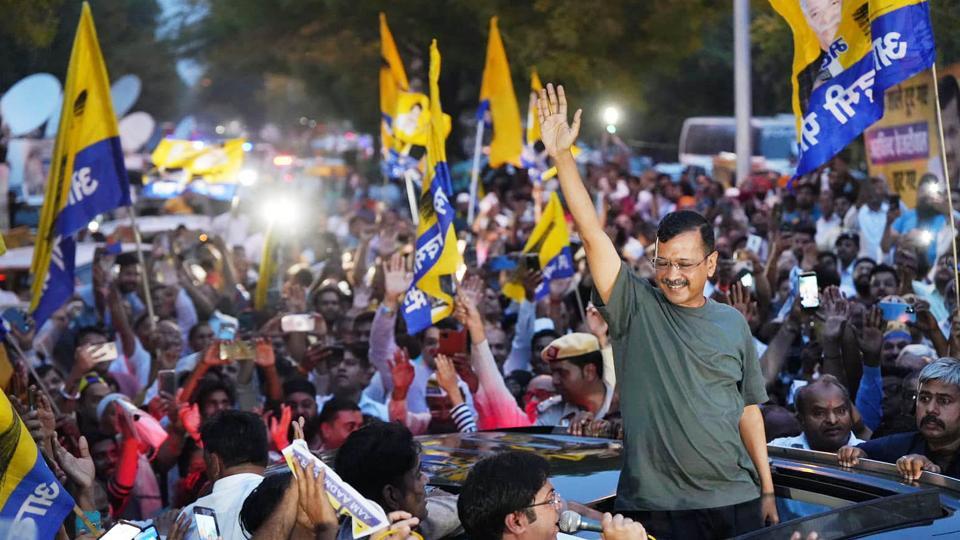
A bench of justices Sanjiv Khanna and Dipankar Datta directed Kejriwal to refrain from performing his official duties as the CM of Delhi during the bail period, which ends on June 1, even as it highlighted the significance of the Lok Sabha elections for a political party and its leaders. The eight-page order directed Kejriwal to surrender before the Tihar jail authorities on June 2, marking the end of his interim bail period. This stipulation underscores the temporary nature of the bail arrangement.
The bench, in its order, said Kejriwal cannot visit the CM’s office and the Delhi secretariat — a measure aimed at preventing any potential conflicts of interest or interference in governmental affairs while he is out on bail, as indicated by the court during a previous hearing. The bench on Tuesday indicated a willingness to grant interim bail to Kejriwal but expressed reservations about allowing him to discharge his official functions as the chief minister, saying it “will lead to conflict” and may have a “cascading effect”.
Opposing Kejriwal’s bail plea, the Enforcement Directorate (ED), in its argument, said that granting bail to Kejriwal would amount to a “special treatment of politicians” as a class different from ordinary citizens. However, the court acknowledged Kejriwal’s unique position as both the chief minister and the convener of the Aam Aadmi Party (AAP) during the ongoing polls, describing it as an “extraordinary situation” warranting consideration for interim bail.
At the same time, the court raised concerns about the potential ramifications of allowing Kejriwal to sign off on official files while on interim bail. “We don’t want you to be performing your official duties. It would lead to conflict. You have continued (as the CM) and that’s your choice. We are not dealing with that issue. But today, it’s not a question of legality but propriety... We don’t want any interference in the working of the government. It will have a cascading effect,” the bench told senior counsel Abhishek Manu Singhvi, who appeared for Kejriwal in the case.
Singhvi initially objected to the proposed condition, emphasising his client’s democratic and political rights. However, he later agreed that Kejriwal would refrain from signing any official files during the bail period if the lieutenant governor (LG) were not to stall any government proposal citing the absence of the CM’s signature.
In its order on Friday, the Supreme Court ordered Kejriwal not to sign any official files unless necessary to obtain approval from the LG of Delhi. This condition was designed apparently to ensure that Kejriwal’s bail does not impede the functioning of the government or lead to any undue influence on administrative matters.
Additionally, the court also prohibited Kejriwal from making public statements about his role in the excise case or interacting with any witnesses related to the case. Moreover, he was barred from accessing official files connected with the case, further preventing any potential tampering with evidence or interference with the judicial process.



