E-Paper



LG to still play central role in Delhi’s matters
Over the last year, LG Vinai Kumar Saxena has taken the lead in executing several development projects


The Supreme Court on Thursday ruled that the elected government in Delhi will now have control over administrative services in the Capital, and that the lieutenant governor will have to act on the aid and advice of the cabinet. However, the LG will continue to play a central role in matters relating to public order, police, and land in Delhi as the administrator of the Capital.
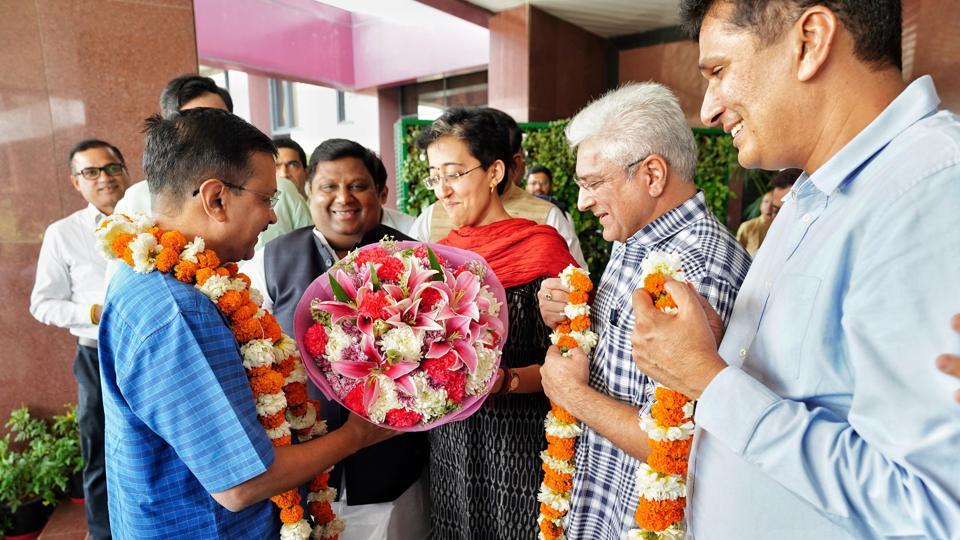
Over the last year, LG Vinai Kumar Saxena has taken the lead in executing several development projects, including the clean up of the Yamuna floodplains, and the beautification of key road stretches.
Officials linked with these projects on Thursday said the shift in power structure due to the Supreme Court’s verdict is not likely to impact the pace of these projects as they have been a priority for both the Aam Aadmi Party-led Delhi government and the LG.
“LG Saxena is also the head of the two high-level committees that have been constituted by the National Green Tribunal (NGT) on Yamuna rejuvenation and solid waste management, with the chief secretary as the convener and all key governments secretaries as members. He can continue to monitor and oversee the work on these sectors as the head of these panels unless the Delhi government files a plea against the NGT orders,” a senior official from the law department said.
The Yamuna panel was formed on January 9 by an NGT order and the solid waste management committee was constituted February 16. Both panels hold monthly meetings headed by LG.
An LG secretariat official associated with the projects said the LG derives power for the two key panels from NGT orders. “At maximum, the government can create hurdles in the functioning of the two HLCs by directing the officers not to co-operate with the bodies. The committees derive the power from NGT judgements,” the official said.
SK Sharma, a constitutional and parliamentary expert who was a secretary in the Lok Sabha and the Delhi assembly, said issues related to land, police and public order are already settled, and the LG and the elected government will still have to coordinate for smooth functioning of the Capital.
Sharma said that even during the Sheila Dikshit-led Congress government between 1998 and 2013, cooperation between the BJP government at the Centre and the chief minister led to smooth functioning. “On one occasion, the Union home ministry had transferred all top bureaucrats of the Delhi government, which would have disrupted the government functioning and budget process, but the decision was reversed after Dikshit met Prime Minister Atal Bihari Vajpayee. In this case, if the Delhi government removes an IAS officer who will he/she be replaced by? Ultimately, the central government will have to allocate new officers for the Delhi pool,” Sharma said.
Delhi was headed by chief commissioners from 1948, till September 1966, when the post of lieutenant governor as the constitutional head of the national capital was established. Before Saxena, Delhi has had 21 lieutenant governors who have all been either former bureaucrats or from the services background. Saxena was the first non-bureaucrat to be appointed LG in May 2022. He has been more publicly active with routine inspections of projects and new initiatives often inviting ire of the AAP led Delhi government.