E-Paper



Tughlakabad Metro stn in Delhi to be developed as key facility
DMRC officials said the Tughlakabad station — one end of the Silver Line — will be built at a depth of 23m

 Prefer HTon Google


The Delhi Metro Rail Corporation (DMRC) is planning to develop the Tughlakabad Metro station as an important interchange facility between the Violet Line and the upcoming Silver Line, officials aware of the matter have said.
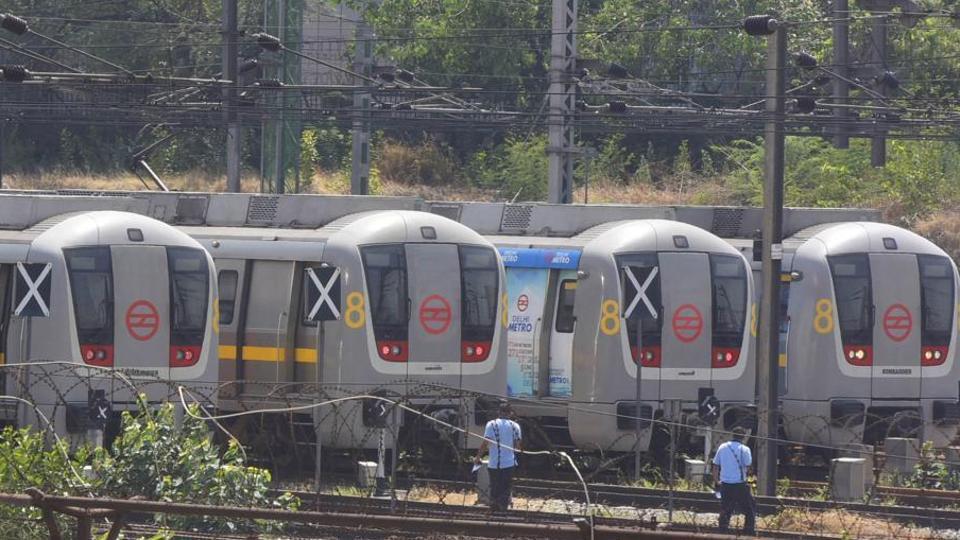
The 23.62km Silver Line (Aerocity to Tughlakabad) is part of the Metro’s phase 4 expansion and will have 15 stations — four elevated and 11 underground. The line has four interchange stations — Aerocity (with the Airport Express Line) Chattarpur (Yellow Line), Saket G-Block (with the upcoming Brown Line) and Tughlakabad (Violet Line).
DMRC officials said the Tughlakabad station — one end of the Silver Line — will be built at a depth of 23m.
“The new station has been designed as a four-level underground structure, where the platform will be at the lowest level, at an approximate depth of 23m, followed by the concourse above it and then an entire floor for parking above it, with the roof level of the station coming at the ground level,” said Anuj Dayal, principal executive director, corporate communications at DMRC.
While several Metro stations have a parking facility, only one station at present — the Dhansa Bus Stand station on the Grey Line (Dwarka to Dhansa Bus Stand) has an underground parking facility, with a capacity for around 110 vehicles.
Dayal said that DMRC also plans to construct a short subway that will connect the Silver Line platforms of the Tughlakabad station with the building housing the elevated Violet Line platforms.
“While the existing Tughlakabad station on the Violet line is elevated, the new station of the Silver Line will be an underground one, and a subway will connect the two adjoining stations through the paid area… This subway will be less than 100m long, and will provide quick transit facilities to passengers from one line to the other,” Dayal said, adding that the new station will also be connected to DMRC’s Sarita Vihar depot via a tunnel.
The operationalisation of the new Line and metro station – expected to be completed by March 2026 — will provide direct airport connectivity for residents of Tughlakabad, Jasola, Sarita Vihar, and Badarpur.
“The construction of the station is now progressing at a good pace. Currently, the station box is being constructed and construction of the D-Walls has been completed both for the platform as well as the underground parking facility,” Dayal said.
Meanwhile, DMRC officials said that the Aerocity station on the other end of the Silver Line is also being developed into a multi-transport hub by GMR, which runs Delhi’s Indira Gandhi International (IGI) airport and owns the station.
A multi-transport hub plan, announced by GMR and IGI operator Delhi International Airport Limited (DIAL) on December 20, will integrate a new interstate bus terminal (ISBT), the upcoming Silver Line station, the existing Airport Express Line station, and a soon-to-be developed Regional Rapid Transit System (RRTS) station. It will also have an automated inter-terminal transport system around the Aerocity area, taking passengers to the airport directly from there.