
 E-Paper



Delhi civic body notice for feedback on layout of 3 illegal colonies
The Municipal Corporation of Delhi has invited feedback and suggestions for the draft layout plans of three unauthorised colonies in the city. These colonies will act as pilot projects for the regularisation of around 1,800 unauthorised colonies in Delhi. The proposed road network plan includes road widening and augmentation, and private plot owners will have to provide space for the road widening exercise in their areas. The draft plans have been prepared with the help of the School of Planning and Architecture.

 Prefer HTon Google


The Municipal Corporation of Delhi has issued a fresh public notice inviting feedback and suggestions for the draft layout plans of three unauthorised (UA) colonies — Khirki Extension, Swaroop Nagar and East Azad Nagar — which will act as model pilot projects for the regularisation of around 1,800 UA colonies in the city.
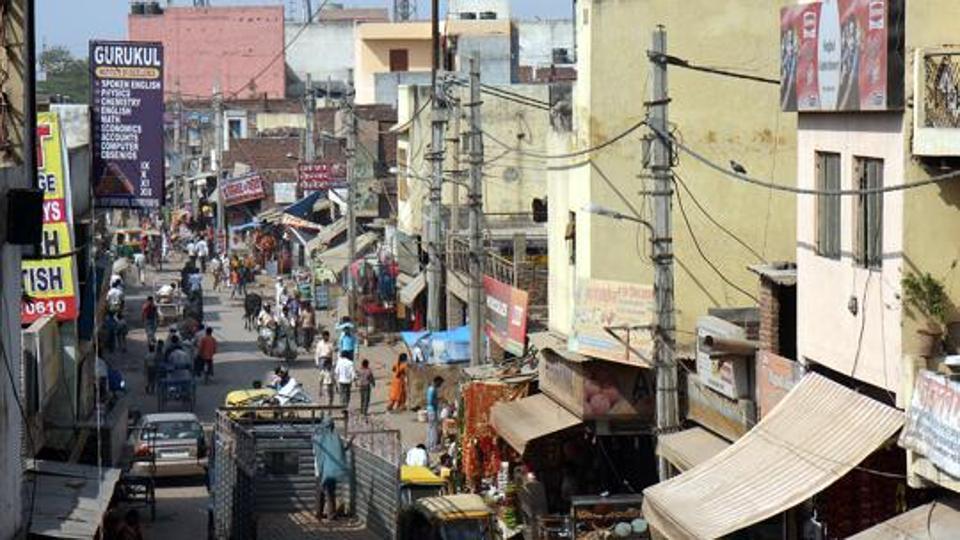
The road network plans can be accessed on the MCD website (https://mcdonline.nic.in/) and the residents of these colonies as well as the general public can now submit their responses by February 24.
“The suggestions and objections on draft Road Network Plans (RNPs) of Khirki extension (Malviya Nagar), Swaroop Nagar extension (Libaspur) and East Azad Nagar as prepared by DDA are available to the general public and open for suggestions and objections,” the notice said.
People can submit their feedback via email to sgst.eastazadngr@mcd.nic.in; sgst.kdkextn@mcd.nic.in and swrp.ngr@mcd.nic.in, respectively, for the three areas.
An MCD official, asking not to be named, said that the road network plans will be the first step in regularising approximately 1,800 unauthorised colonies in Delhi. The draft plans for the regularisation of the three colonies have been prepared with the help of the School of Planning and Architecture (SPA).
According to the officials, the plan broadly proposes a road widening exercise in these colonies under three categories of road — 6m, 9m, and 12m. “The roads have been proposed to be of 6m, 9m and 12m categories and private plot owners will have to provide space for the road widening exercise in their areas, paving the way for regularisation,” the official said.
The proposed road network plan specifies the colony’s boundaries, existing roads, proposed roads by widening and augmentation, and residential areas, along with existing government schools, Delhi Jal Board facilities and a police station.
“Every property in the colony has been marked under the road network plan. The number of plots and extent to which they will be affected by road widening has also been specified,” the official said.
Unauthorised colonies are unplanned residential settlements built in violation of zoning regulations — either in contravention of Delhi’s master plans or on illegally subdivided agricultural land. About one-third of Delhi is estimated to live in sub-standard housing in these unplanned areas, which often lack safe, adequate housing, public amenities, and basic services. According to DDA regulations laid down in 2008, resident welfare associations should provide land for common amenities such as parks and schools, but there has been clear reluctance on the part of residents to free up this land.
“In the proposed draft plan, we have no provision for these facilities. We will identify and earmark existing units, and the layout plan mostly focuses on road widening. People will be given floor area ratio benefits for providing the land for road widening,” the official added.


