E-Paper



Voter apathy? Turnouts in affluent areas lowest in Capital once again
While the overall turnout for the elections held on Sunday stood at 50.47%, many of the affluent areas recorded under 40% voter turnout, according to official data.

 Prefer HTon Google


Continuing with the trend of apathy towards the civic polls and the Capital’s municipality, affluent areas and many south Delhi neighbourhoods recorded some of the lowest voting numbers in the Municipal Corporation of Delhi elections.
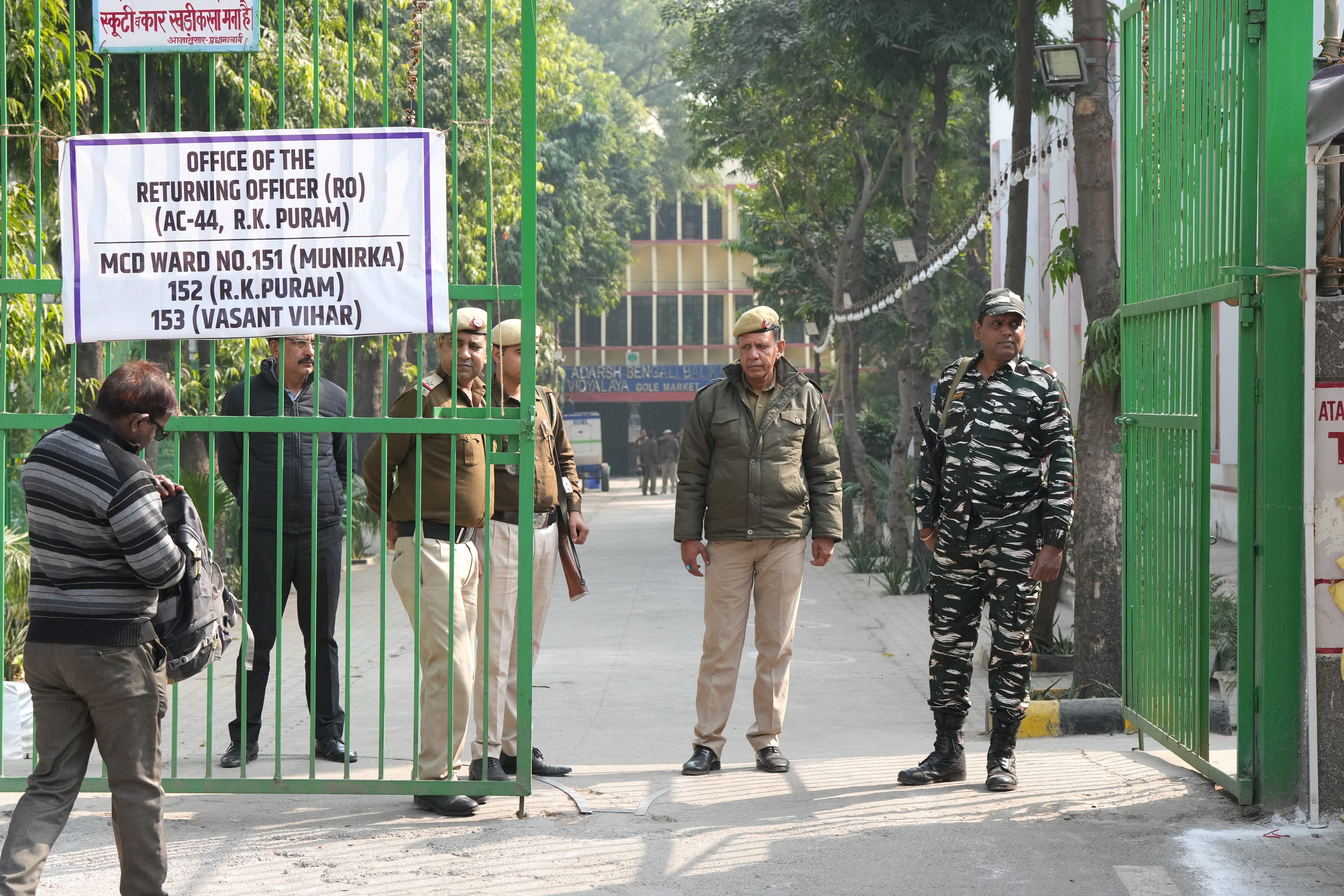
While the overall turnout for the elections held on Sunday stood at 50.47%, many of the affluent areas recorded under 40% voter turnout, according to official data. The Andrews Ganj ward recorded the lowest turnout in the city at 33.74%, while Greater Kailash’s figure stood at 38.99% and Vasant Vihar was at 39.64%.
Some residents and citizen groups in these areas said that poor selection of candidates, lack of expectations due to the failure of the municipality in delivering previous promises, and a general sense of apathy caused the voters to stay away from the polling stations.

President of the Defence Colony RWA, Maj (retd) Ranjeet Singh said that the Andrews Ganj figure could be explained by an overall resentment with the municipality’s performance. “Everyone is simply fed up as there has been no improvement over the last five years and most people have given up hope that anything is going to improve. The quality of candidates has also left much to be desired,” he said. The Andrews Ganj station comprises areas such as Lodhi Colony, Defence Colony, Lodhi complex government quarters, Anand Lok and unplanned belts such as Pillanji and Sewa Nagar.
To be sure, wards that are considered affluent also comprise unplanned areas such as JJ clusters and urban villages. The Vasant Vihar ward, which witnessed 43.3% voting in the 2017 municipal polls, recorded a 39.64% turnout in the latest elections. “A large of chunk of these votes have come from the slum areas near Nanakpura, Nepali camp, Shiva camp and other JJ clusters. The turnout from Vasant Vihar, Anand Niketan and Shantiniketan must be much less... There was not much interest among people about this election as MCD has failed to deliver on basic services,” president of the Vasant Vihar Welfare Association Gurpreet Singh Bindra said.
“To make people more interested, structural changes are needed. Maybe a portion of taxes being paid by an area should be reserved for development work in that area... We ourselves are carrying out the tree-pruning work, maintenance, installation of convex mirrors and we’ll soon be seeking permission for speed-breakers,” he added.
According to the state election commission, Delhi had a final voter turnout of 53.55% in the 2017 municipal elections and 53.39% in the 2012 municipal polls. South Delhi’s Greater Kailash saw the lowest turnout at 37.3% in the 2012 elections, while its turnout rose to 42.44% in the 2017 polls and it stood at 38.99% in the 2022 elections. According to the final delimitation report, the ward comprises of areas such as Panchsheel Enclave, parts of East of Kailash, Kailash Hills, GK-1, Pamposh Enclave along with Sant Nagar and Zamrudpur village. HT found that many of the polling stations were deserted on Sunday, while those who turned out to vote complained about civic issues related to parking woes, need for a participative framework and burgeoning encroachments.
Similarly, the Vasant Kunj ward, which recorded 45.18% voting in 2017 and a 39.43% turnout in 2012, stood at 44.52% in the latest elections.
Atul Goyal, who heads United RWAs Joint Action (URJA), a collective of RWAs, said that the low turnouts showed that the political parties as well as the election officials failed to capture the imagination of voters in the affluent areas. “There was no serious initiative. The quality of candidates has steadily declined...,” he added.