
 E-Paper



Despite surplus, Karnataka continues to struggle with reliable, low-cost power
Despite a surplus, uninterrupted, low-cost power remains a challenge in Karnataka.

 Prefer HTon Google


Summer used to be despised by both citizens and power companies because it had become synonymous with power outages. Photographs of students studying for exams by candlelight were frequently published in newspapers. For example, Bangalore Electricity Supply Company (BESCOM) would develop contingency plans to ensure maximum supply.
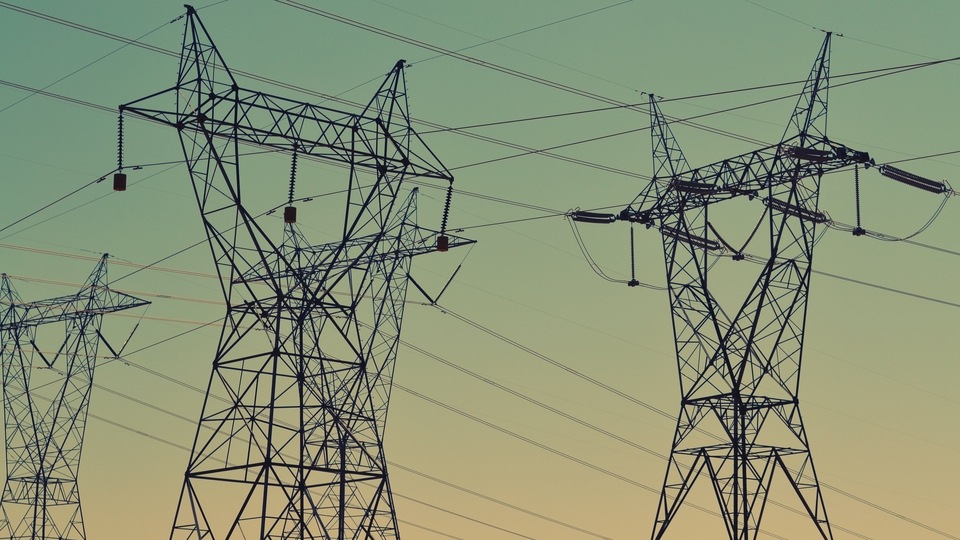
Karnataka, on the other hand, has claimed to be a power surplus state for several years and has risen to the top of the renewable energy rankings (RE). This, however, has not resulted in zero power outages in either the capital or the rest of the state, nor has it helped to reduce rates, which have been steadily rising in recent years.
According to senior Energy Department officials, Karnataka's transition from a power deficit to a surplus state has been attributed, among other things, to a focus on renewable energy, which has contributed to capacity addition, particularly through solar.
"These are all PPAs (power purchase agreements) signed for 25 years," an official said in response to questions about why the state was still purchasing power from private players. "They are only called in when it is necessary because RE does not provide long-term electricity and is unreliable. Solar, for example, is only available during the day, and wind output is similarly variable. As a result, this power is kept in reserve and used only when necessary," he stated. When asked about thermal plants, he emphasized that coal shortages are a daily occurrence.
According to Karnataka Power Transmission Corporation Ltd, the state's installed generation capacity is 30,523 MW (KPTCL). Peak demand skyrockets during the summer. Former Karnataka Electricity Regulatory Commission advisory group member M.G. Prabhakar described the state's electricity situation as "water water everywhere, not a drop to drink."
"The transformer isn't the only thing that requires attention. There must be a shift. We're experimenting with energy management rather than making fundamental, drastic changes. Coal is scarce," he said, "the government owes subsidies money, and there are crores in dues from urban and rural local governments."
He claimed that the energy sector is mismanaged, which is why power is still intermittent. “If the house burns down, we want to dig a well. The infrastructure is having problems. Purchasing energy is expensive. Under the guise of maintenance, power is turned off every day. How will the economic engine function if the basic fuel - in this case, power - is not available? The regulatory commission, which is in charge of this, is also doing nothing. There is no rigor in the regulatory system,” he remarked.
According to Rishu Garg, a research scientist at CSTEP who works in the Energy and Power sector, it is critical that all power industry participants, from generation to transmission and distribution, collaborate seamlessly.
While Karnataka was able to meet peak demand with the available supply capacity in FY21, consumer interruptions and power outages are common. Rather than insufficient generation or transmission, this is due to operational and maintenance issues at the distribution end.
The distribution sector in Karnataka suffers from aggregate technical and commercial (AT&C) losses of about 13.7 percent, and large AT&C losses mean that ESCOMs are unable to fully recover the amount spent on each unit of energy sold, resulting in poor operational and financial health.
This, in turn, has an impact on revenue recovery and investment in distribution infrastructure upgrades, resulting in significant AT&C losses and a vicious cycle. Given that the state is transitioning to a higher RE future with the introduction of new technologies such as electric vehicles and rooftop PV, Karnataka ESCOMs should establish robust and adaptable operational systems for long-term sustainability.


