
 E-Paper



Galwan Valley face-off: ‘Attack on Bihar Regiment commanding officer triggered clashes’
An official of the Indian Army’s Northern Command gave an account of what unfolded on the fateful night.

 Prefer HTon Google


The Chinese troops had attacked commanding officer of the Bihar regiment Colonel Santosh Babu after they were asked to withdraw from camps occupied along the Galwan River, leading to a bloody scuffle, said a top Northern Command official, on condition of anonymity.
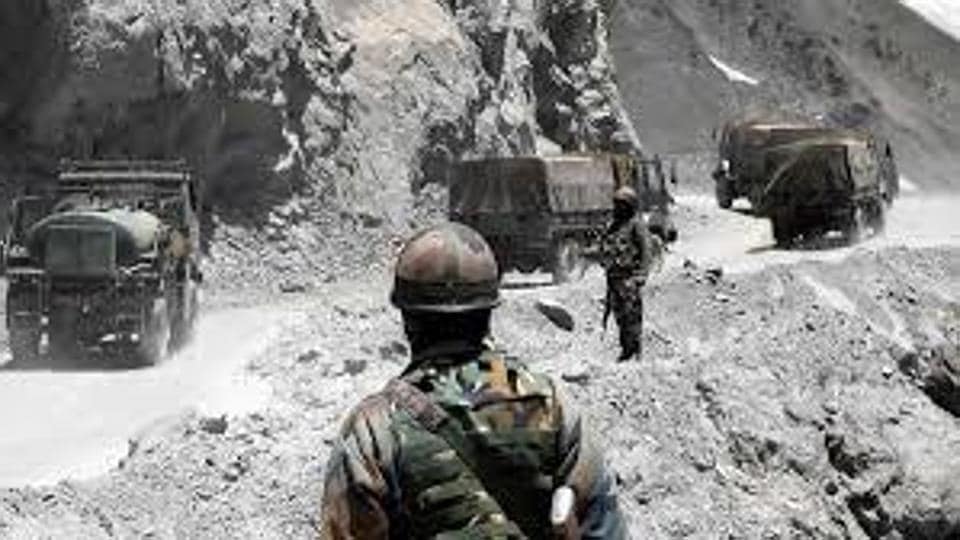
Twenty Indian soldiers, including commanding officer Colonel Santosh Babu were killed on Monday evening in a clash with Chinese troops in eastern Ladakh’s Galwan valley where soldiers of the two countries have been locked in a tense stand-off for 40 days.
An official of the Indian Army’s Northern Command gave an account of what unfolded on the fateful night.
“Following the June 6 corps commander level meeting, both sides had arrived at an agreement that the Chinese troops will withdraw from some cluster of camps occupied along the Galwan River moving eastwards,” he said.
“These are temporary tents built by the Chinese and serve as logistic bases for living and supporting presence of their troops in the area,” he added.
“On June 15 between 4pm and 5pm, keeping the sensitivity of the situation in mind, commanding officer of 16 Bihar Regiment Colonel Santosh Babu led the team to meet his Chinese counterpart. He asked him to comply with decisions taken during June 6 meetings,” the official said.
“When asked to clear the area, the Chinese troops displayed an aggressive behaviour and assaulted our men in larger number,” he added.
The official said the Chinese also resorted to stone pelting in which Colonel Santosh Babu was grievously injured. “The group of Indian soldiers, who accompanied the commanding officer, tried to evacuate him while the rest remained engaged with the Chinese troops. He was brought back to the base camp where he later succumbed to the injuries,” the official said.
“Some more troops from our side rushed to assist their colleagues who were already engaged with the Chinese. Accordingly, more Chinese troops were also brought in and clashes continued for some time,” he said, adding that the scuffle continued till few hours in the night.
The Chinese troops had also used iron rods and clubs in the attack, he said.
“The Chinese troops resorted to pushing and stone pelting. Due to limited space and steep gradients of mountains, some soldiers slipped and fell into the gorge and Galwan River. While some were hurt in clashes, the remaining were hurt by rocks as they slipped and some suffered hypothermia due to falling into Galwan waters at freezing temperatures. Search operations were undertaken to retrieve those who had fallen into or along the river. They were rushed to medical facilities established in the area, where some of them were declared brought dead,” the official said.
“Had the Chinese troops removed tents, which was agreed on at the corps commander level meet, the violent clashes would not have taken place. Chinese betrayed the agreement and then attacked the commanding officer which triggered the clashes,” he said.


