
 E-Paper



After bars, now liquor vends can stay open 24X7 in Gurugram
Vends will have to pay 25% of the annual licence fee if they wish to operate for upto four hours beyond the stipulated time and 50% of the annual licence fee if they wish to stay open throughout the day

 Prefer HTon Google


In a major change aimed at boosting revenues and counter Delhi government’s excise policy, as part of which bars and restaurants serving liquor can now stay open up to 3am, liquor vends in urban areas of Gurugram can now stay open for 24 hours after paying an additional licence fee.
The excise policy for 2022-23, which was passed by the Haryana government on Friday, states that vends in the urban areas will now be allowed to operate beyond the stipulated time (from 8am to 12 midnight) on payment of additional licence fee. Vends will have to pay 25% of the annual licence fee if they wish to operate for upto four hours beyond the stipulated time and 50% of the annual licence fee if they wish to stay open throughout the day.
VK Beniwal, deputy commissioner of excise and taxation, Gurugram (east), said there are nearly 287 liquor vends in the district and there are two vends in each zone, which will be increased to four now. “Our target is to attract the customers going to Delhi; the new excise policy has been designed to increase revenues,” said Beniwal.
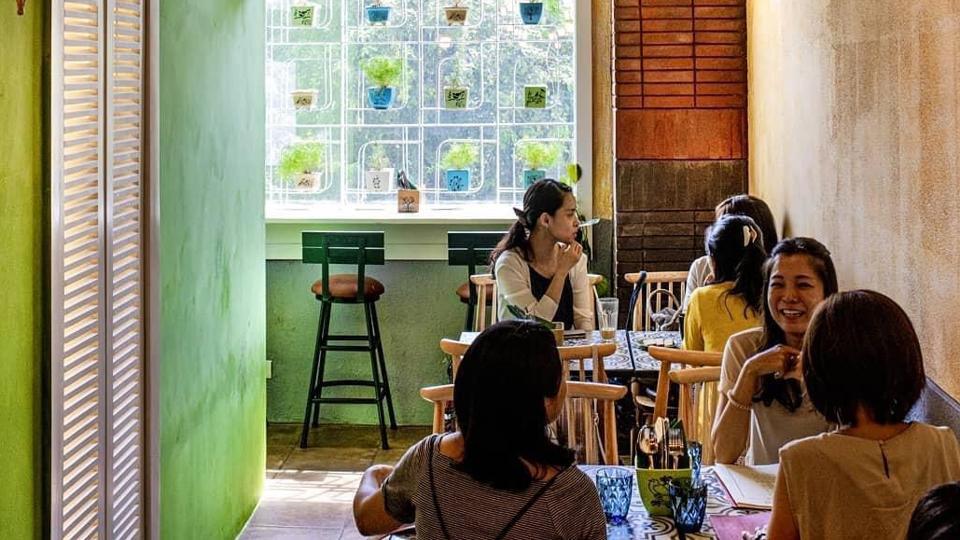
Meanwhile, the new excise policy had a surprise element for the cafes too., which can now serve beer and wine by paying an annual fee of ₹5 lakh. Officials said earlier too they had introduced this provision for cafes but mostly Japanese and Korean cafes took these licences, known as L-10E.
Officials said people from all across the world visit Gurugram for work and dine out frequently. The licence will bring a lot of changes in the café business as it will attract more people.
In 2021, the annual liquor licence fee for serving beer and wine in a cafe was set at ₹10 lakh but the department did not receive a good response, following which the fee was slashed by 50%, said officials.
Beniwal said to promote the consumption of drinks with less amount of alcohol, such cafes are allowed to be opened in cities a having municipal corporation. “Those who are already running cafés or want to start a small café and want to serve beer and wine can opt for this licence. The license fee has been slashed to encourage more people to come forward, take this licence and start their business,” he said.
Beniwal said only nine licences were issued last year and most of them were owned by foreign nationals. “The license will also be given in IMT Manesar as it is an industrial area and a large number of foreign nationals from China, Japan and Korea work there. The demand for wine and beer is very high in that area,” he said.
A security of ₹3 lakh will have to be deposited to the excise department while applying for the licence that will be refunded, said officials.
Rahul Singh, trustee of National Restaurant Association of India (NRAI), said the annual licence fee has been rationalised to promote low alcohol drinks, such as beer, wine and RTDs (ready-to-drink beverages which have less than 5% alcohol like breezers).
“The annual licence fee will be ₹5 lakh for Gurugram, Faridabad and Panchkula, and ₹2 lakh for other towns. This will allow cafes and small eateries to afford the licence fee and provide low on alcohol drinks to their patrons. Worldwide, this kind of licence is prevalent as it weens people away from hard liquor while enjoying their food. As a beer cafe, we would strategically do more investments in the state and create further jobs,” he said.
Kavita Singh, owner of Bistro 57 on Golf Course Road, said she never planned to take liquor licence as it was a costly affair but will definitely apply now. “The café business in the city is booming and people prefer going to small places which serve small portions of food. If we start beer and wine, that will add more value to our place and help increase the footfall,” she said.
Officials said the excise department has targeted all corners of the liquor industry to ensure maximum revenues in the coming year and give tough competition to the national capital.
Vishal Anand, chapter head of National Restaurant Association of India (NRAI), Gurugram and founder and CEO, Moonshine Food Ventures LLP, said that the new excise police is an edge over Delhi and a good way to attract more people. “Most of the recommendations of the industry have been included in the policy. It’s a progressive policy with some welcome changes that will give a boost to the sector which was badly affected by the pandemic,” said Anand.
Rahul Yadav, co-founder and director of Brick N Bean Cafe in Gurugram, said, “The recent move to amend the Haryana excise rules will allow more cafes and other eating outlets to expand their offering. With the favourable demographics in Gurugram, which is keen on having a European-cafe like experience, we certainly see this positively impacting our patrons and our business. Our customers have been asking for this for long; the earlier rules made it untenable for our business model to afford the licence fee.”


